
Japan manufacturers’ mood worsens as cost pressures bite
 Add BT as a preferred source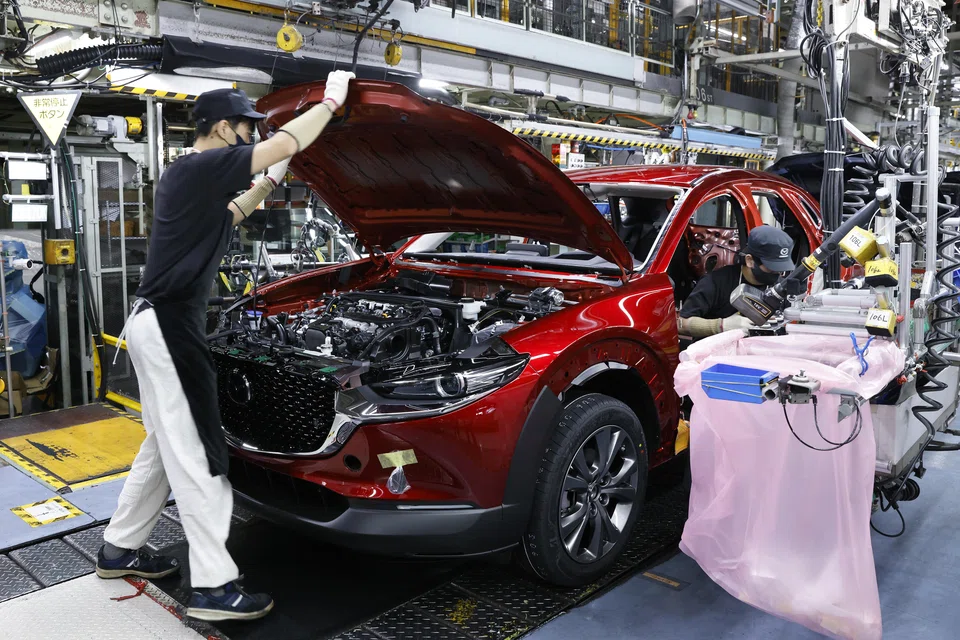
JAPANESE manufacturers’ mood soured in the final quarter of 2022 to the lowest in nearly two years, a central bank survey showed, as cost pressures and the prospects of slowing global demand clouded the outlook for the world’s third-largest economy. Service-sector sentiment improved for three straight quarters in the October-December period, the Bank of Japan’s closely watched “tankan” survey showed on Wednesday, as the impact on consumption from the coronavirus pandemic faded. Both big manufacturers and non-manufacturers expect business conditions to worsen ahead, the survey showed, reflecting rising raw material costs and fears of weakening global demand.
The mixed outcome highlights the challenge policymakers face in prodding companies to raise wages and compensate households for the rising cost of living – a factor the BOJ sees as crucial for inflation to sustainably hit its 2 per cent goal. “Slowing growth in Japan’s major export markets such as China likely took a toll on manufacturers,” said Takeshi Minami, chief economist at Norinchukin Research Institute. “Going forward, the slowdown in global economy will drag on exports.
Fears of an eighth wave of Covid-19 infections in Japan, as well as China’s slowdown, could also hurt consumption and inbound tourism,” he said. The headline index for big manufacturers’ sentiment fell to plus 7 in December from plus 8 in September, the tankan showed, worsening for the fourth straight quarter and marking the lowest level since March 2021. It compared with a median market forecast for a reading of plus 6. Rising raw material costs and narrowing margins hurt morale among chemical and petroleum goods producers. Sentiment improved among auto and food makers because of supply constraints eased and progress was made in raising prices, the survey showed. The big non-manufacturers’ confidence index rose to plus 19 from plus 14, beating market forecasts of plus 17 and hitting its highest level since December 2019, the survey showed. Big firms expect to increase capital expenditure by 19.2 per cent in the current fiscal year, which ends in March 2023, after a 2.3 per cent decline in the previous year, it showed. Core consumer prices rose 3.6 per cent in November from a year earlier, the fastest pace in 40 years and exceeding the BOJ’s 2 per cent target for a seventh straight month, as the yen’s slump inflated the cost of importing already expensive fuel and food. The rising cost pressure took a toll on businesses and households, which was behind the economy’s unexpected contraction of an annualised 0.8 per cent in the third quarter. Analysts expect growth to rebound in the current quarter due to easing supply constraints and lifting of Covid-19 border controls, though weakening global demand may cloud the outlook. AFP
Decoding Asia newsletter: your guide to navigating Asia in a new global order. Sign up here to get Decoding Asia newsletter. Delivered to your inbox. Free.
Share with us your feedback on BT's products and services

