

Japan needs to balance growth, fiscal reform: policy document
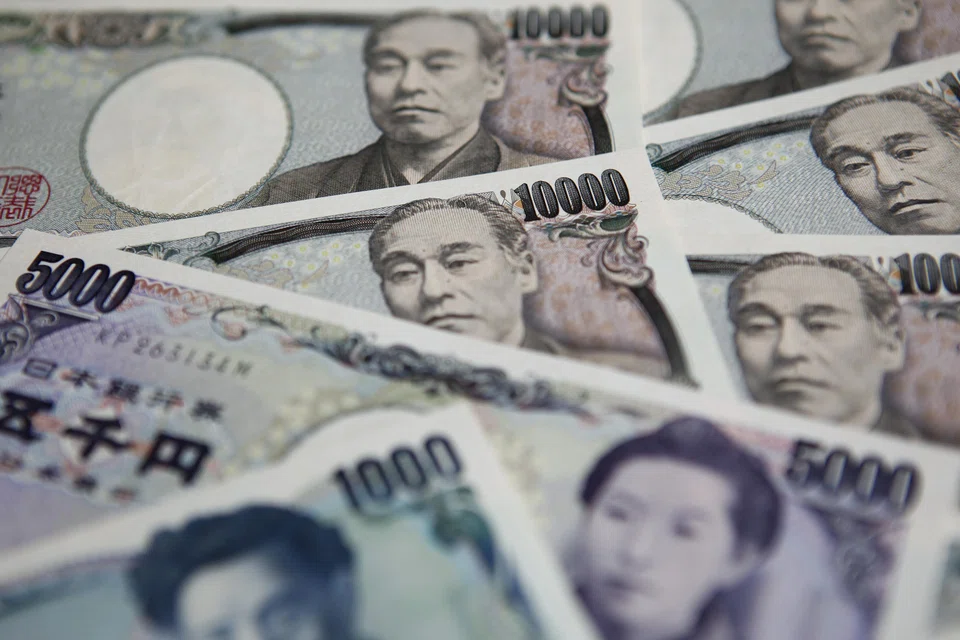
JAPAN is committed to mobilise all policy options available while putting the economy before fiscal reform, according to a draft of the government’s mid-year policy framework reviewed by Reuters on Wednesday, signalling its will to keep the fiscal spigot wide open before looming elections.
The draft framework, which will be presented at Prime Minister Fumio Kishida’s top economic advisory panel, provides the basis for medium- to long-term macroeconomic management and will be approved by Kishida’s cabinet later this month, along with a separate action plan on his “new capitalism” agenda.
Kishida, who is seen as a fiscal hawk, also hopes to strike a delicate balance between fiscal stimulus and the unwinding of it, with the framework calling for normalisation from crisis-mode fiscal largesse.
Still, the framework dropped a specific timeframe on the budget-balancing target for a second year, reflecting a compromise Kishida needed to strike with reflationary forces within his own Liberal Democratic Party (LDP).
“We have not abandoned the flag of fiscal reform,” the framework said, in a tacit reference to Kishida’s aim of bringing a primary budget surplus, excluding new bond sales and debt servicing costs, by the fiscal year ending in March 2026.
The target was originally set to be met in the early 2010s but has pushed back four times.



Since he took office in October 2021, Kishida has pledged to achieve a virtuous cycle of growth and redistribution under his “new capitalism”, while suggesting that previous administrations’ stimulus policies created social division and inequality.
To accelerate the “new capitalism” drive, the new framework calls for a structural increase in wages and the expansion of financial assets, including a decision by the end of 2024 to boost contributions to the defined contribution pension system and the overhaul of asset management firms.
“We will realise sustainable growth by mobilising budget, taxation and regulatory reforms, aiming to exit deflation and sharp declines in childbirth,” it said, pointing to downside risks to the global economy because of a prolonged war in Ukraine, the global trend of monetary tightening and elevated inflation. REUTERS
Decoding Asia newsletter: your guide to navigating Asia in a new global order. Sign up here to get Decoding Asia newsletter. Delivered to your inbox. Free.
Share with us your feedback on BT's products and services
TRENDING NOW

ComfortDelGro appoints two new independent directors

Once staunchly pro-China, Malaysian Chinese businesses are now distancing themselves from Beijing

NoonTalk needs continued financial support from CEO Dasmond Koh, auditors warn

DP Architects sets the benchmark for sustainability disclosure and design

