

Japan plans vaccine freezer buying binge as Tokyo reports record cases
 Add BT as a preferred source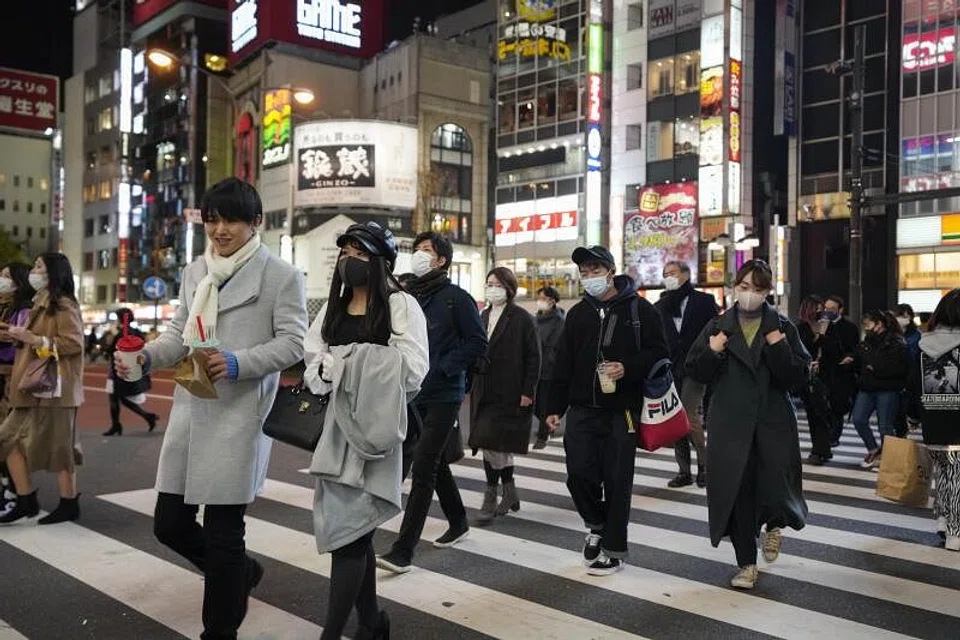
DeeperDive is a beta AI feature. Refer to full articles for the facts.
[TOKYO] Japan said on Thursday it will buy 10,500 deep freezers to store novel coronavirus vaccines as it prepares for the "extraordinary task" of protecting people from the virus, as the capital Tokyo reported a record number of new cases.
Japan, with a population of 126 million, has agreements to buy a total of 290 million doses of vaccines from Pfizer, AstraZeneca and Moderna, or enough for 145 million people.
Pfizer's vaccines need to be kept at around -75 Celsius (C), and Moderna's at about -20C, posing complex logistics challenges in rolling them out.
"An extraordinary task awaits us," Tokuaki Shobayashi, director general of the ministry's health service bureau, told a media briefing on its preparations.
Though Japan has seen far fewer cases than many Western countries, new infections are on the rise as colder weather keeps people indoors. The country had recorded more than 165,000 Covid-19 infections and about 2,500 fatalities as of Wednesday, with Tokyo particularly hard hit.
Tokyo reported a record 602 new cases on Thursday.
Navigate Asia in
a new global order
Get the insights delivered to your inbox.
Defence minister Nobuo Kishi on Tuesday ordered the country's Self Defense Forces to send nurses to a city in northern Hokkaido prefecture that was hit hard by the pandemic, media said.
The health ministry said it is too early to tell when Japan will receive the vaccines, but AstraZeneca has announced that, of the 120 million doses to be allocated to Japan, 30 million will likely be supplied in the first quarter of 2021.
The Japanese government will oversee the whole vaccination operation and shoulder the costs involved. Frontline medical workers, senior citizens and people with underlying health conditions will be given priority to receive the vaccines.
A 90-year-old grandmother in Britain became the world's first person to receive a fully-tested Covid-19 shot on Tuesday, as the country began mass-vaccinating its people.
Norio Sugaya, a doctor at a hospital in Yokohama and an infectious disease specialist, said coming late to vaccination had its upsides.
"Truth be told, it would have been good if we had been able to have this (vaccination) started by the end of the year," Dr Sugaya said.
"But we will be able to learn more about potential side effects (while waiting) and about how to build up the whole vaccination system that can maintain -70C."
Britain's medicines regulator has advised people with a history of significant allergies not to get the Pfizer vaccine after two people reported adverse reactions on the first day of its rollout in the UK.
REUTERS
Decoding Asia newsletter: your guide to navigating Asia in a new global order. Sign up here to get Decoding Asia newsletter. Delivered to your inbox. Free.
Share with us your feedback on BT's products and services
TRENDING NOW
Air India asks Tata, Singapore Airlines for funds after US$2.4 billion loss

Beijing’s calculated silence on the Iran war

China pips the US if Asean is forced to choose, but analysts warn against reading it like a sports result

Richard Eu on how core values, customers keep Singapore’s TCM chain Eu Yan Sang relevant

