

Japan sees first primary balance surplus in 28 years in 2026
It forecasts a surplus of 1.34 trillion yen, which has been a government goal for more than 2 decades
 Add BT as a preferred source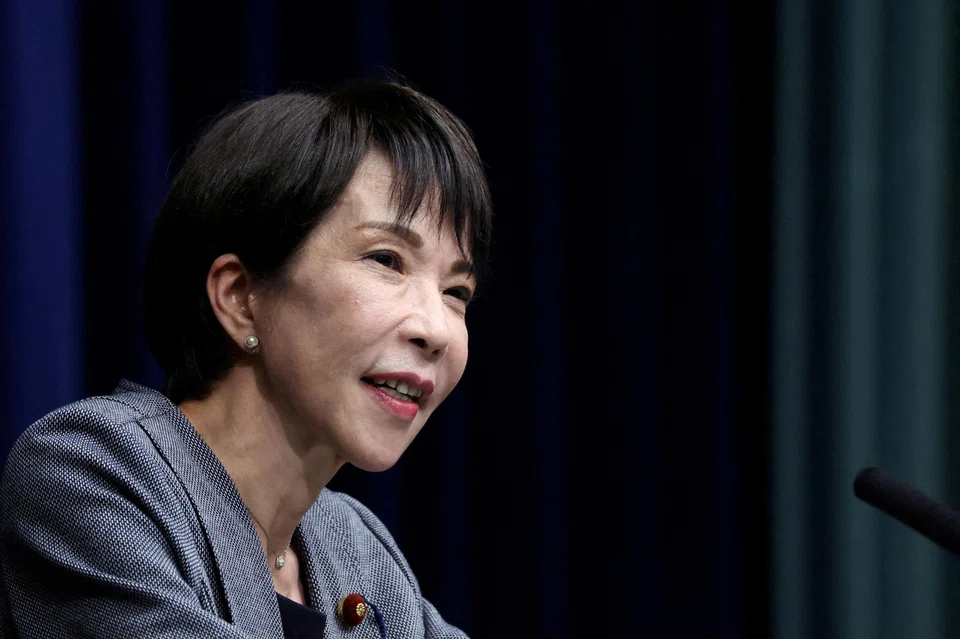
[TOKYO] Japanese Prime Minister Sanae Takaichi said that the nation’s primary balance is set to return to a surplus for the first time in 28 years, in an apparent attempt to ease market concerns over her proactive stance on spending.
“The national government’s initial Budget is set to see a primary balance surplus for the first time since 1998,” Takaichi told reporters on Friday (Dec 26), after the Cabinet approved a record annual Budget of 122.3 trillion yen (S$1 trillion) for fiscal 2026 earlier in the day.
“I believe we have put together a Budget that strikes a balance between achieving a strong economy and ensuring fiscal sustainability,” she added.
Securing a primary balance surplus has been a government goal for more than two decades.
The key fiscal benchmark is the difference between government revenue and spending, excluding debt-servicing costs. Finally achieving that goal offers support for the view that Japan’s government is addressing concerns about the nation’s finances.
While Takaichi has said she wants to focus on other yardsticks for measuring progress in improving fiscal health, a primary surplus offers support for her characterisation of the government’s expansive fiscal policy as “responsible”.
The primary balance at the national level is projected at a surplus of 1.34 trillion yen in the Budget for the fiscal year starting in April, said the finance ministry.
The official Cabinet Office figure for the balance will likely be unveiled next month after factoring in other data, including local government figures.
Given that local governments have posted primary surpluses in recent years, Japan is likely to meet the primary balance target under the Cabinet Office measure. The situation could change if Takaichi’s government issues an extra Budget during the next fiscal year.


Takaichi has been trying to reassure markets about her commitment to fiscal discipline, at a time when government bond yields continue to rise, partly on concerns that spending in the debt-laden nation may get out of hand. Benchmark 10-year yields climbed to 2.1 per cent last week, the highest level in 27 years.
The latest Budget underscores Takaichi’s willingness to spend to support economic growth.
Despite the increase in spending, Takaichi managed to reduce government bond issuance from the current fiscal year, as record tax revenues helped limit the need for additional borrowing.
The Takaichi administration has been moving away from using the primary balance as a key measure of fiscal health, preferring instead to focus more on bringing down the debt to gross domestic product ratio – a goal that is easier to achieve during times of inflation.
While the government has not abandoned the primary balance as a yardstick for fiscal discipline, Finance Minister Satsuki Katayama said that the administration is looking at it over multiple years rather than focusing on single year results.
Japan’s government initially aimed to achieve a primary balance surplus in fiscal 2011, but kept pushing back the timeline for more than a decade. BLOOMBERG
Decoding Asia newsletter: your guide to navigating Asia in a new global order. Sign up here to get Decoding Asia newsletter. Delivered to your inbox. Free.
Share with us your feedback on BT's products and services
TRENDING NOW

Johor property old hand KSL readies family handover amid market boom

Seatrium eyes S$28 billion in project opportunities amid global race for energy security

China targets offshore billions in biggest crackdown in decades

Trek 2000 shares jump 26% after Osim founder Ron Sim drops claims, sells 7.3% stake to Azure Capital

