

Japanese biotech firm uses tiny worms in test for pancreatic cancer
 Add BT as a preferred source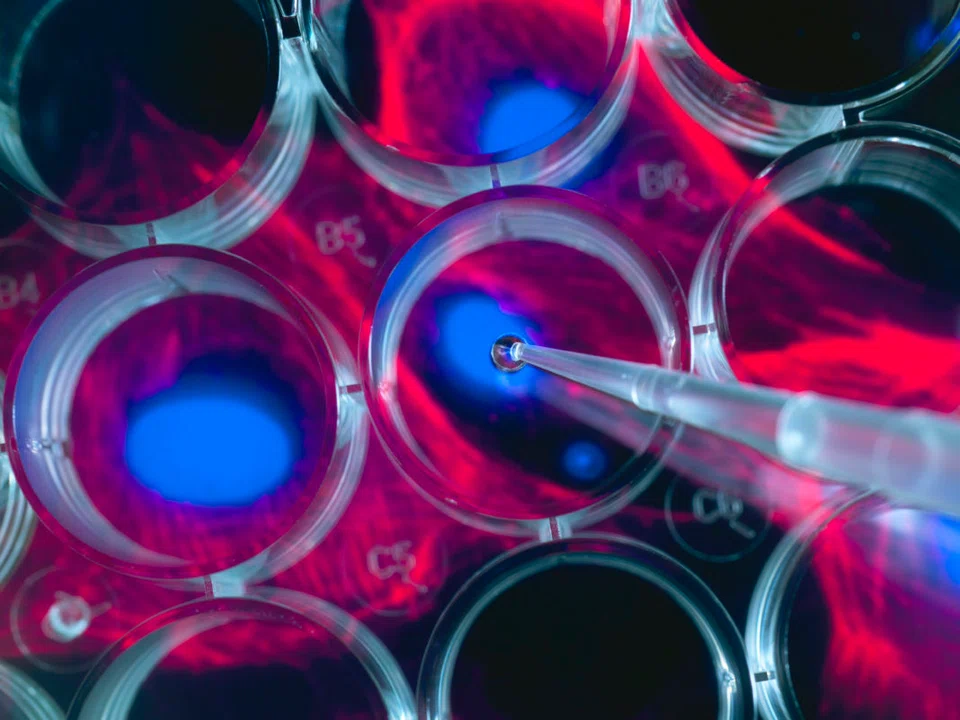
DeeperDive is a beta AI feature. Refer to full articles for the facts.
A JAPANESE biotech firm has developed the world’s first early screening test for pancreatic cancer, using the powerful noses of tiny worms.
Hirotsu Bio Science this month launched its “N-Nose plus Pancreas” test. The firm is marketing the kit directly to consumers in Japan, with aims to bring it to the United States by 2023.
Users send a urine sample through a special mail pouch to a lab, where it is put in a Petri dish with a species of nematode known as C. elegans. The creatures have olfactory senses much more powerful than that of dogs, the company said, and they follow their nose toward cancer cells.
This makes the 1 mm-long animals a potent diagnostic tool, said company founder and chief executive Takaaki Hirotsu, who has been researching them for 28 years.
“What’s very important with early detection of cancer and these kinds of diseases is being able to sense very trace amounts,” he told Reuters. “And when it comes to that, I think that machines don’t stand a chance against the capabilities that living organisms have.”
In January 2020, Hirotsu Bio launched its first N-Nose consumer test, which claimed the ability to tell if users were at high risk of cancer. About 250,000 people have taken the original test, with about 5 per cent to 6 per cent getting high-risk readings.
Navigate Asia in
a new global order
Get the insights delivered to your inbox.
For the latest version, Hirotsu Bio tweaked the nematodes’ genetic code, so that they swim away from pancreatic cancer samples. The company started with pancreatic cancer due to its difficulty in diagnosis and speed of progression.
In the coming years, Hirotsu Bio expects to roll out targeted tests for liver cancer, as well as cervical and breast cancers.
The pancreas test kit costs up to 70,000 yen (S$692). This is comparatively expensive for a diagnostic test in Japan, which has a nationalised health care system and fixed prices for drugs and procedures.



The price tag, along with television advertisements using caricatures of the worms and the pancreas, are part of the process of building a brand, Hirotsu said. He added that the price may come down as the company scales up.
Some doctors have criticised this direct approach to consumers and doubted the medical usefulness of the results.
Masahiro Kami, head of the Medical Governance Research Institute think tank in Tokyo, said that false positives could greatly outnumber actual cases of pancreatic cancer, making the results “not usable”.
The company counters that the accuracy of N-Nose stands up well against other diagnostic tests. It added that the tests are intended as early-screening tools that can guide patients to further testing and treatment sooner.
Although he has been studying nematodes for decades, Hirotsu says he does not have any particular affinity for the creatures.
“I feel like I have to give the answer that I love nematodes and I find them cute, but that’s not the case at all,” he said. Really, I just think of them as research materials and nothing more.” REUTERS
Decoding Asia newsletter: your guide to navigating Asia in a new global order. Sign up here to get Decoding Asia newsletter. Delivered to your inbox. Free.
Share with us your feedback on BT's products and services
TRENDING NOW

Shelving S$5 billion office redevelopment plan proved ‘wise’ as geopolitical risks mount: OCBC chairman

Eurokars Group introduces rental car franchises Enterprise Rent-A-Car, National Car Rental, and Alamo to Singapore

20 photos that show how dramatically Singapore has changed in two decades

Singapore’s key exports up 15.3% in March from electronics surge, exceeding forecasts

