Japanese firms agree to 5.26% wage hike, top union group's preliminary data shows
Rengo’s member unions are seeking an average hike of 5.94%, slightly below last year’s demand of 6.09%
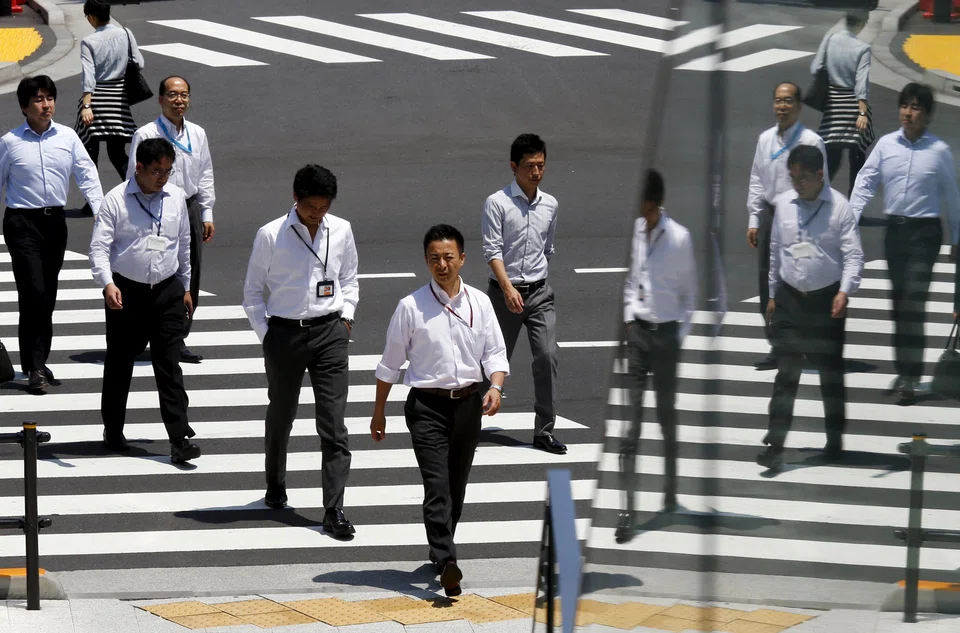
[TOKYO] Japanese companies have agreed to raise wages by more than 5 per cent for a third consecutive year, early results from annual labour talks showed on Monday (Mar 23), reflecting sustained gains in pay that policymakers see as key to fostering durable economic growth.
Rengo, Japan’s largest labour union umbrella group with 7 million members, said its preliminary tally showed an average wage hike of 5.26 per cent for this year.
That compares with last year’s initial reading of 5.46 per cent, which was later revised down in stages to a final 5.25 per cent – still the biggest pay rise in 34 years.
Final figures typically come in lower than preliminary tallies as wage agreements at smaller companies, which tend to offer more modest increases, are incorporated later in the process.
Rengo’s member unions are seeking an average hike of 5.94 per cent, slightly below last year’s demand of 6.09 per cent.
Many major companies including Toyota Motor, Hitachi and NEC concluded their negotiations last week and agreed to meet union demands in full, offering large pay increases for another year as competition for workers remains intense.
While this year’s wage talks have so far been spared major damage from surging oil prices and supply chain disruptions driven by the Middle East conflict, economists say heightened uncertainty could make management at smaller firms with thinner margins more cautious.
Some analysts said higher oil prices and their impact on inflation could intensify upward pressure on wages.
An oil-spike-led boost to inflation would erode real wages, said Kentaro Koyama, chief economist for Japan at Deutsche Securities. “This could intensify workers’ demands for wage increases to protect their living standards,” potentially reinforcing a cycle of rising wages and prices, he said.


Despite large increases in nominal pay in recent years, real wages have struggled to turn positive, depressing household purchasing power as inflation has outpaced pay gains.
The wage talks are being closely watched by the Bank of Japan, which views broad and sustained pay growth as key to bolstering consumption and justifying further rate hikes. REUTERS
Decoding Asia newsletter: your guide to navigating Asia in a new global order. Sign up here to get Decoding Asia newsletter. Delivered to your inbox. Free.
Share with us your feedback on BT's products and services