Japanese firms scale back investment as tariff headwinds hit
Monday’s figures will be factored into revisions made to third-quarter GDP data due Dec 8
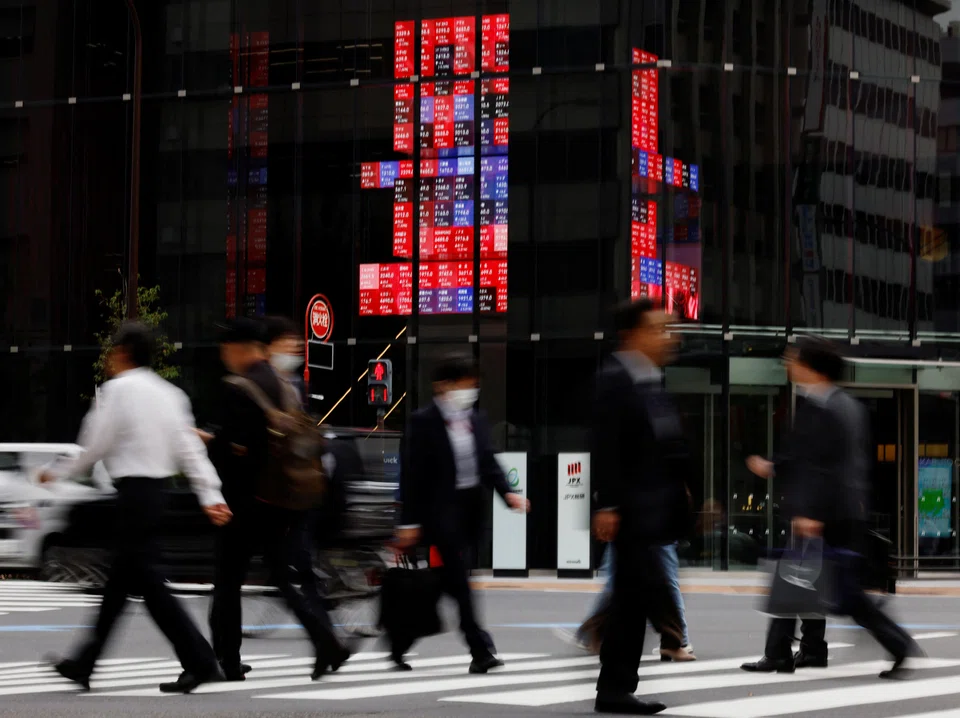
[TOKYO] Japanese businesses trimmed back their capital spending over the summer after five straight quarters of gains, in a sign of cooling corporate sentiment as higher US tariffs take a toll.
Capital expenditure on goods excluding software edged down 0.3 per cent from the previous quarter in the three months to September, the Finance Ministry reported on Monday (Dec 1).
In the preliminary gross domestic product report, corporate investment was reported to have expanded by 1 per cent.
Investment, including software, rose 2.9 per cent from a year earlier, weaker than a median estimate of 6 per cent. While sales only inched up 0.5 per cent from a year earlier, profits jumped 19.7 per cent. That’s the biggest increase in two years and offers hope that companies will continue to raise wages, a key factor watched by the Bank of Japan (BOJ) as it considers the timing of its next interest rate hike.
Monday’s figures will be factored into revisions made to third-quarter GDP data due Dec 8. The preliminary report showed that the nation’s economy contracted 1.8 per cent from the previous quarter, the first decline in six quarters.
A slide in corporate spending partly reflects rising caution among Japanese firms as they cope with challenges, including US President Donald Trump’s tariffs.
Under an agreement reached in July and implemented in September, Washington fixed tariffs on imports of all Japanese goods at 15 per cent. While that rate is lower than the initially threatened 25 per cent, it’s still well above levels before Trump began his second term. Japan’s exports to the US fell by more than 10 per cent from a year earlier during the summer period.
The fall in capital spending suggests the revised GDP figures may show a larger contraction in the economy over the summer.
Prime Minister Sanae Takaichi last month unveiled the largest stimulus package since pandemic restrictions were eased, allocating roughly 1.6 trillion yen (S$13.3 billion) to support business spending in economic security. The government highlighted artificial intelligence, chips and shipbuilding among sectors where it aims to drive further investment.
SEE ALSO
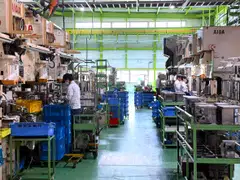



Stronger corporate activity would be welcomed by the BOJ as it seeks to confirm a virtuous cycle linking rising wages to demand-driven inflation.
After securing the biggest wage gains in 34 years in negotiations that concluded in March, the nation’s biggest trade union federation has set the same targets for the coming round of talks.
In its latest outlook report, the BOJ said nominal wages are expected to keep rising as labour shortages force employers to compete for staff, although the pace may slow owing to fewer increases of women or elderly workers. Fixed investment is likely to continue rising, the bank said.
The bank’s board will deliver its next policy decision on Dec 19, with BOJ watchers increasingly seeing the gathering as a potential window for a rate hike. BLOOMBERG
Decoding Asia newsletter: your guide to navigating Asia in a new global order. Sign up here to get Decoding Asia newsletter. Delivered to your inbox. Free.
Share with us your feedback on BT's products and services