
Japanese yields top policy cap for second day, defying BOJ buying
 Add BT as a preferred source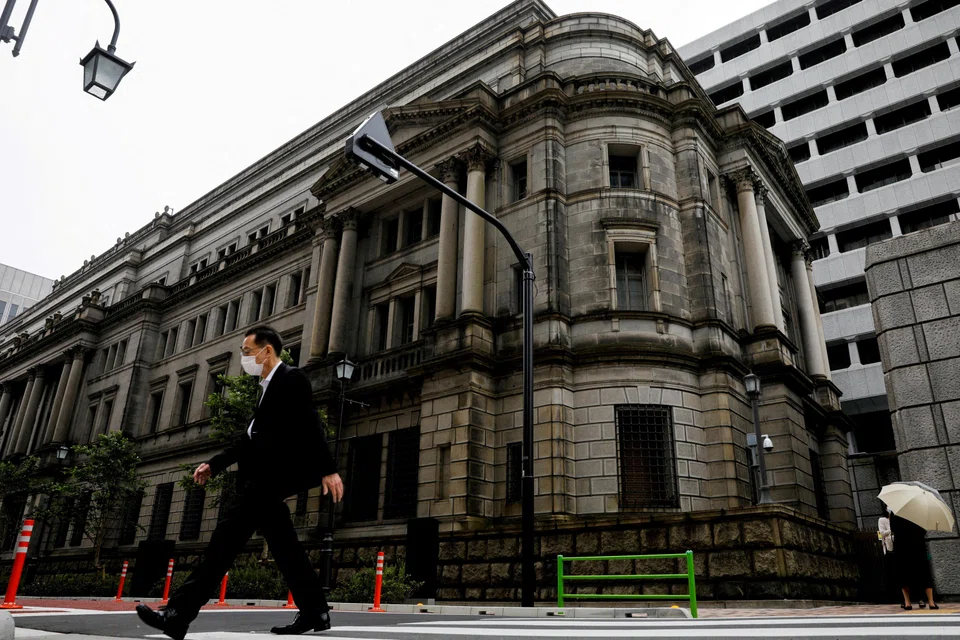
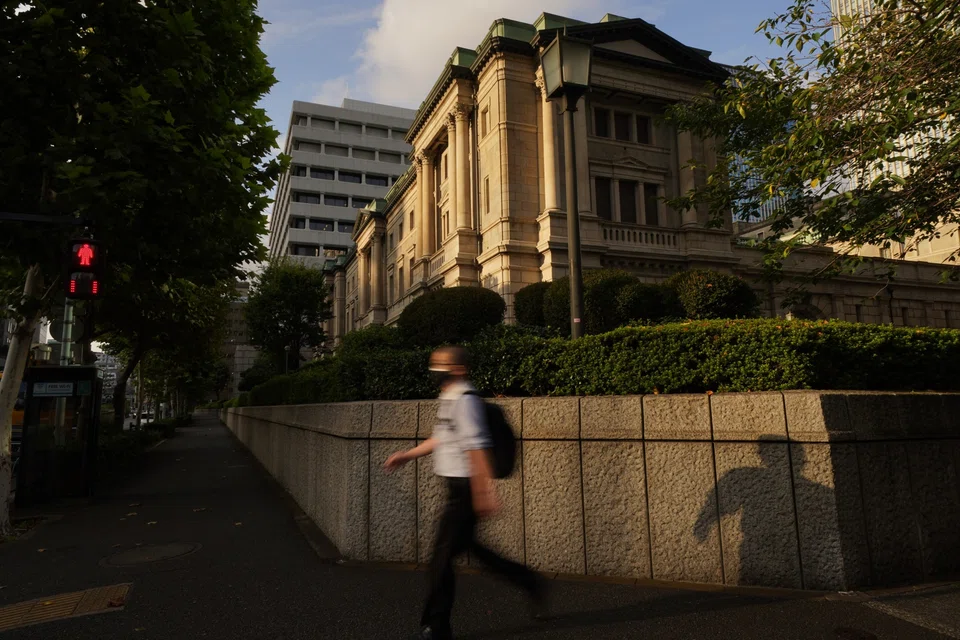
JAPAN’S 10-year government bond yield topped the policy ceiling of the Bank of Japan (BOJ) for a second straight trading session on Monday (Jan 16), despite a new wave of emergency bond-buying operations by the central bank.
The 10-year Japanese Government Bond (JGB) yield jumped 1 basis point (bps) to 0.51 per cent at the start of the session, exceeding the BOJ’s 0.5 per cent cap. The central bank’s offer to buy an unlimited number of bonds in maturities up to 10 years at a fixed rate was slow to take effect, but by 5.36 am GMT, it had brought the yield back to 0.5 per cent.
It also announced another 1.4 billion yen (S$14.4 million) of unscheduled buying across the curve.
The BOJ will begin a two-day meeting on Tuesday, and speculators continue to bet that Governor Haruhiko Kuroda and his team would be forced to tweak its policy once more. The central bank surprised markets in December by doubling the margin of tolerance for 10-year yields to 50 bps on either side of its 0 per cent target.
Another widening of that band would be the most likely move, should the BOJ pivot on its stance again. But more extreme options include scrapping the yield-curve control altogether, or even raising the negative overnight interest rate.
Naka Matsuzawa, chief Japan macro strategist at Nomura, said: “The market is pricing in a chance of a hike in the short-term rate – not necessarily at this meeting, but in the next few meetings – and that’s the source of the yield spike.
Navigate Asia in
a new global order
Get the insights delivered to your inbox.
“That’s what the BOJ wants to fight against the most. The BOJ is firmly against the notion of raising the short-term policy rate.”
He also highlighted the conundrum for speculators if the BOJ forgoes a change on Wednesday: With the next meeting not until March – the last of Kuroda’s career – can they continue to short the 10-year bond for that long?
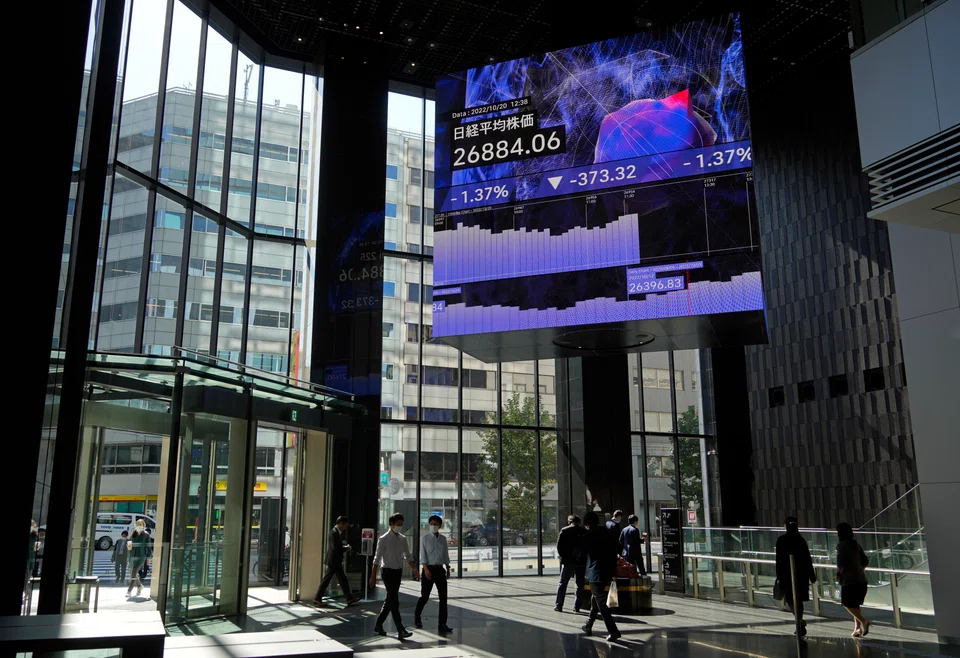
Monday’s rise in yields was dwarfed by the spike on Friday, when they hit 0.545 per cent, the highest level since mid-2015. This was later calmed by the BOJ buying a record five trillion yen of bonds.
SEE ALSO
Central-bank policymakers have not spoken out about the market movements, due to a blackout period before this week’s meeting. But Kuroda has insisted that the widening of the yield band in December was to correct market distortions, not to signal the start of a stimulus exit.
Market participants said that functioning has actually deteriorated since then.
This has placed BOJ officials in a predicament, as further tweaks could again backfire by stoking already-heated speculation that they would give up on decades-old, ultra-easy policy.
Masayuki Kichikawa, chief macro strategist at Sumitomo Mitsui Asset Management, took the contrarian view that another bold doubling of the yield ceiling to 1 per cent could actually ease the pressure on the bond market.
“If the BOJ completely discards yield-curve control, many people estimate JGB yields (to) stay around 0.9 per cent to 1 per cent.”
He added: “Of course, speculation would continue for a complete discarding of yield-curve control, but the momentum of speculation would gradually moderate. The attack on the BOJ could become a little bit more moderate as time goes by.” REUTERS
Decoding Asia newsletter: your guide to navigating Asia in a new global order. Sign up here to get Decoding Asia newsletter. Delivered to your inbox. Free.
Share with us your feedback on BT's products and services

