Japan’s births fall for 10th year, adding to demographic strain
It is down by 2.1% to about 706,000 from a year earlier, the Ministry of Health, Labour and Welfare reports
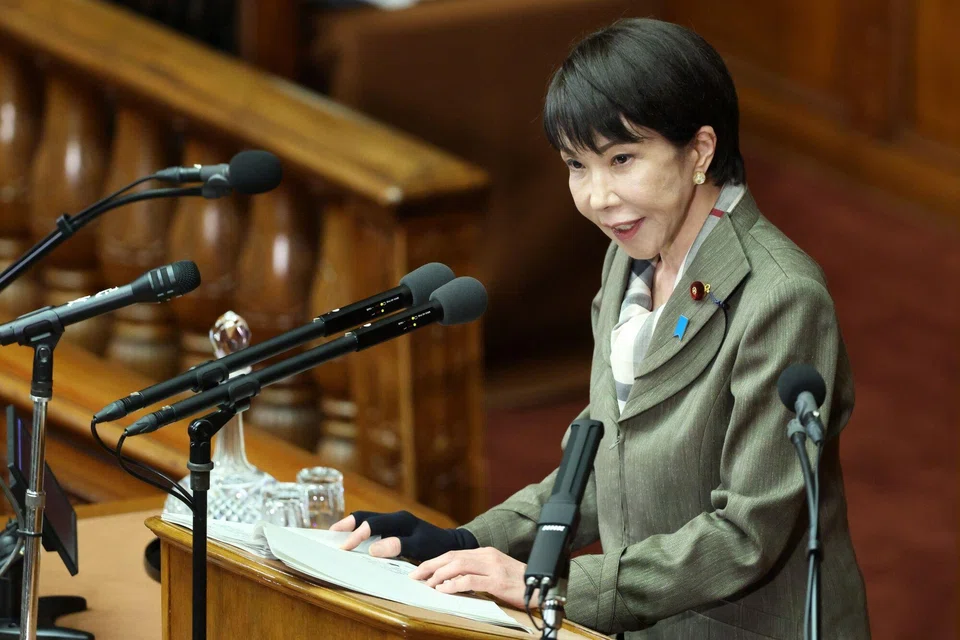
[TOKYO] Births in Japan fell for a 10th straight year in 2025, underscoring the demographic strain Japan faces – as Prime Minister Sanae Takaichi pursues new measures to counter the decline.
The number of newborns dropped by 2.1 per cent to about 706,000 from a year earlier, the Ministry of Health, Labour and Welfare reported on Thursday (Feb 26) in preliminary population data.
Deaths fell by 0.8 per cent to roughly 1.6 million for the same period, the report said.
Ahead of the Liberal Democratic Party leadership race in October, Takaichi proposed tax breaks for babysitters and household help, and corporate tax cuts for companies operating in-house childcare centres.
Japan’s first female premier has also pledged to introduce a national qualification for childcare workers, as well as improve their pay and working conditions.
At the opening of the current parliamentary session on Feb 20, she said the government would ease costs tied to pregnancy and childbirth, including prenatal checkups and delivery, though none of these proposals have yet been implemented.
The preliminary tally is broad in scope, and includes babies born to foreign residents in Japan and Japanese nationals living overseas.
The narrower finalised figure for 2024, which counts only Japanese nationals living in Japan, was about 686,000 – the lowest since such records began in 1899. The final number is typically released in September.
Some argue that compared with previous administrations, the government’s attention has shifted towards other priorities, such as national security and policies on foreigners.



In 2023, former prime minister Fumio Kishida rolled out a 3.6 trillion yen (S$29.6 billion) childcare package he billed as part of “unprecedented measures to tackle the falling birth rate”.
His stance was later continued by Shigeru Ishiba, who served as the prime minister from October 2024 to September 2025.
Under Takaichi, the child policy has been folded into a broader population agenda that also addresses foreigners.
Hitoshi Kikawada, the minister tasked with tackling the shrinking population, also oversees 11 other portfolios, including those of territorial disputes and food safety.
It raises questions about whether the issue of the birth rate has been put on the back burner.
Japan is not alone in trying to reverse its demographic decline.
In South Korea, data released on Wednesday showed the fertility rate rose for a second straight year in 2025 as marriages recovered from a prolonged slump, supported by incentives aimed at easing the costs of child rearing.
US President Donald Trump has proposed a US$5,000 baby bonus, while China plans to provide an annual 3,600 yuan (S$665) allowance for each child under the age of three. BLOOMBERG
Decoding Asia newsletter: your guide to navigating Asia in a new global order. Sign up here to get Decoding Asia newsletter. Delivered to your inbox. Free.
Share with us your feedback on BT's products and services