

Japan’s corporate service inflation hits nine-year high

THE price Japanese companies charge each other for services rose 3 per cent in June from a year earlier, data showed on Thursday (Jul 25), the fastest pace in more than nine years in a sign of heightening inflationary pressures.
The data comes ahead of the Bank of Japan’s (BOJ) two-day policy meeting that ends on Wednesday, when the board is likely to debate whether to raise interest rates and lay out a plan to taper its huge bond buying in coming years.
Service-sector inflation is closely watched by the central bank for clues on whether prospects of rising wages are prodding firms to hike prices and leading to broader-based inflation, a prerequisite for raising interest rates.
The increase, which followed a 2.7 per cent gain in May, was driven by higher prices for advertising, hotels and leasing, the data showed, suggesting companies were now charging more for a wide range of services.
It was the fastest year-on-year increase since March 2015.
Rising global commodity costs and the boost to import costs from a weak yen have also pushed up wholesale inflation, which rose 2.9 per cent in June, the fastest year-on-year pace since August 2023.


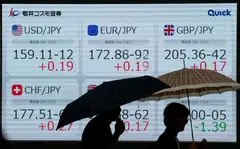
The BOJ ended eight years of negative interest rates and other remnants of its massive stimulus in March, taking a landmark step towards normalising ultra-loose monetary policy.
BOJ governor Kazuo Ueda has said the central bank will raise interest rates if it becomes more convinced that Japan was on track to durably hit its 2 per cent inflation target. REUTERS
Decoding Asia newsletter: your guide to navigating Asia in a new global order. Sign up here to get Decoding Asia newsletter. Delivered to your inbox. Free.
Share with us your feedback on BT's products and services
TRENDING NOW

Once staunchly pro-China, Malaysian Chinese businesses are now distancing themselves from Beijing

Looking beyond looming CEO succession, should UOB potentially pursue a transformative merger?

Could stablecoins be the future of money?

Grab CEO’s wife Chloe Tong on life with Anthony Tan and finding her purpose

