
Japan’s exports mark biggest jump in three years on pre-Chinese New Year shipments
Analysts expect the Japanese economy to gather momentum with the help of domestic drivers such as private consumption
 Add BT as a preferred source
[TOKYO] Japan’s exports posted the biggest jump in more than three years in January, data showed on Wednesday (Feb 18), boosted by strong Asian demand reflecting front-loading shipments ahead of China’s Chinese New Year holidays.
The outcome follows separate data this week that showed the economy limped back to meagre growth in the fourth quarter, significantly missing market forecasts due to weaker-than-expected exports and capital expenditure.
Total exports by value rose 16.8 per cent year on year in January, data showed, the largest increase since November 2022 and exceeding a median market forecast for a 12 per cent increase. They rose for a fifth consecutive month, following a 5.1 per cent rise in December.
Exports to China jumped 32 per cent, boosted by a surge in demand ahead of the Lunar New Year in mid-February, later than usual, while those to Asia rose 25.8 per cent. The European Union-bound exports expanded 29.6 per cent.
In contrast, exports to the US fell 5 per cent in January from a year earlier.
Takeshi Minami, chief economist at Norinchukin Research Institute, said the surge in January appeared largely due to temporary factors.
Navigate Asia in
a new global order
Get the insights delivered to your inbox.
“This probably means that February may see a pullback larger than anticipated. But if you average out January and February, the pace is likely to end up being about the same as at the end of last year,” he said.
Imports dropped 2.5 per cent from a year earlier, compared with market forecasts for a 3 per cent increase.
As a result, Japan ran a trade deficit of 1.2 trillion yen (S$7.51 billion) in January, compared with the forecast of a 2.1 trillion yen deficit.
SEE ALSO


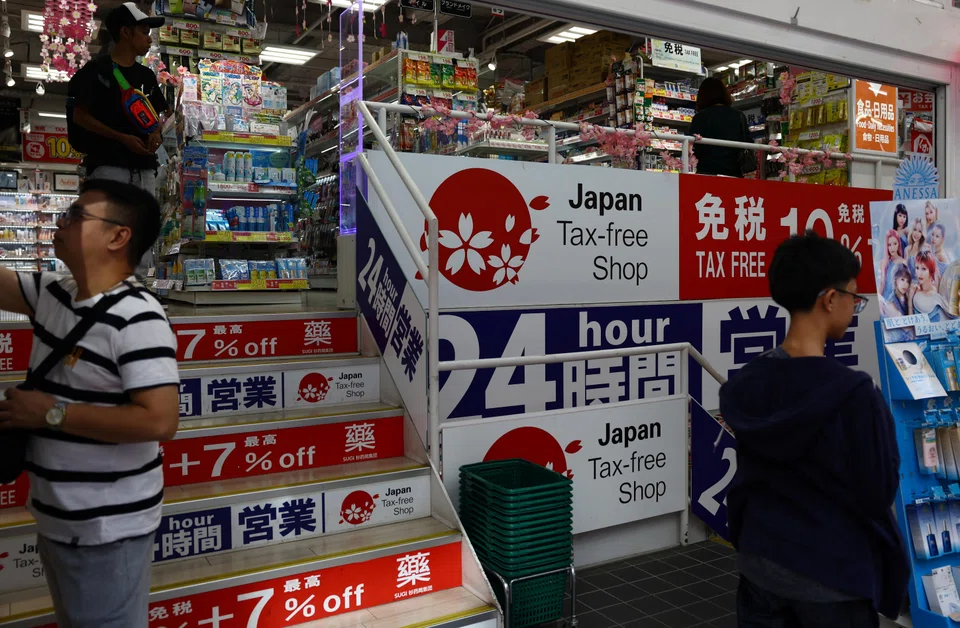

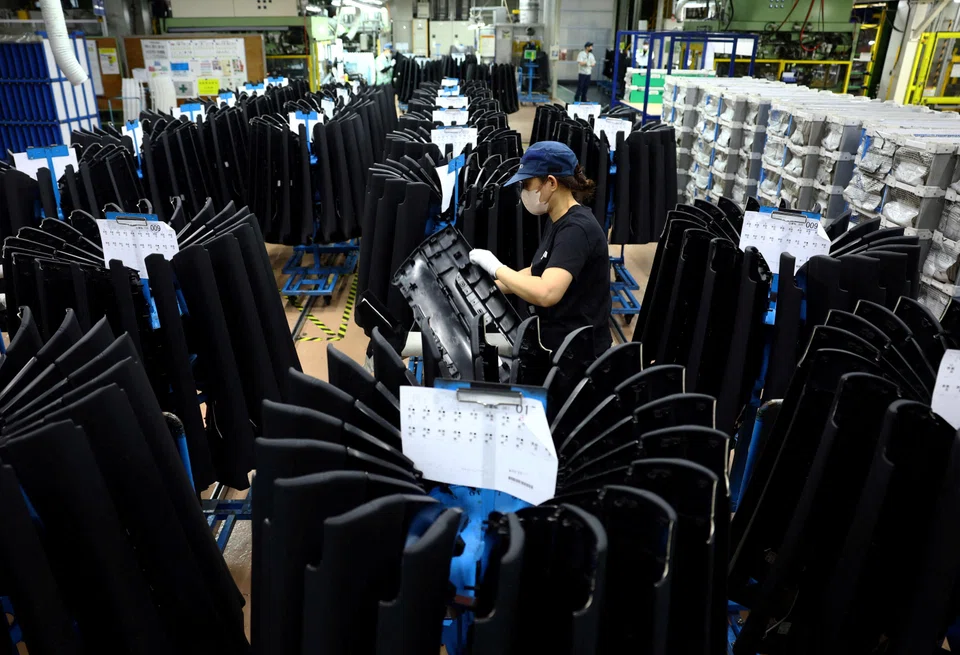
Japan’s exports have been recovering after an initial blow from US tariffs dragged down US shipments in the July to September quarter, but momentum has remained fragile despite a September trade deal with Washington that set a baseline 15 per cent tariff on nearly all goods.
Analysts expect the Japanese economy to gather momentum with the help of domestic drivers such as private consumption, with wage growth expected to ease the burden on households from rising living costs.
“Although the impact of the Trump tariffs has largely run its course, they are still undoubtedly holding back global growth, so we shouldn’t expect strong momentum in exports,” Minami said.
“But the Japanese economy should be able to achieve modest growth if inflation wanes and consumers gradually get used to higher food prices and ease up on their frugality,” he added. REUTERS
Decoding Asia newsletter: your guide to navigating Asia in a new global order. Sign up here to get Decoding Asia newsletter. Delivered to your inbox. Free.
Share with us your feedback on BT's products and services

