
Japan’s extended trade gap reinforces pressure on tumbling yen
 Add BT as a preferred source
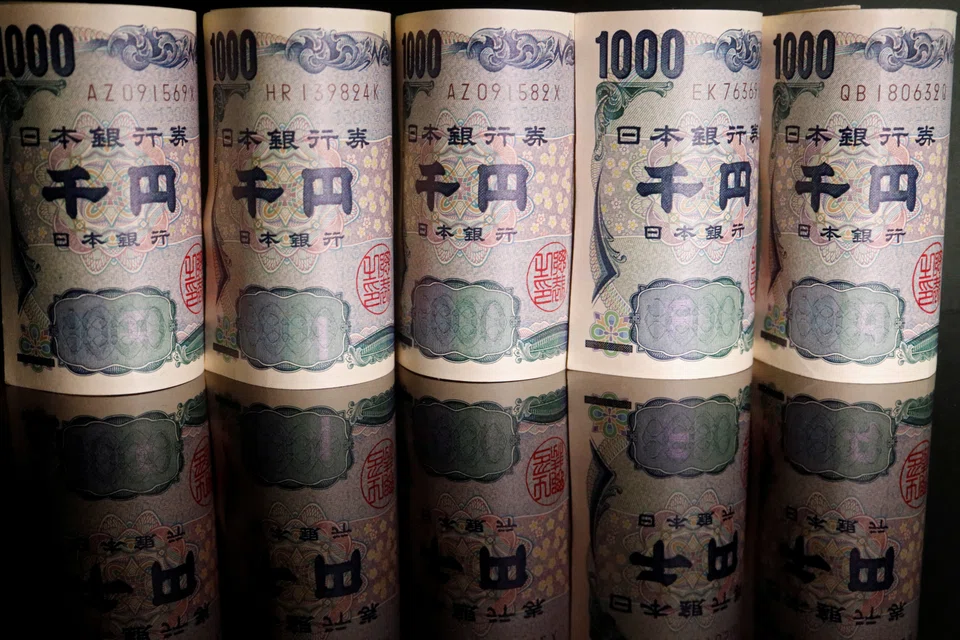
JAPAN’S trade gap extended its longest streak of red ink since 2015, as the weaker yen pushed up the import bill, an outcome that will weigh on the economy and feed back into further currency weakness.
The trade deficit topped 2 trillion yen for a second-straight month, though it narrowed to 2.09 trillion yen (S$20 billion) from the previous month’s record 2.82 trillion yen shortfall. The result compared with economists’ forecast for a 2.15 trillion yen gap.
Imports rose 45.9 per cent, a touch stronger than expected by analysts, as the cost of crude, coal and LNG purchases soared from a year earlier. Exports gained 28.9 per cent, led by automobile and chip parts. Analysts had pencilled in a 26.6 per cent increase.
While an increase in shipments to China, the US and Europe is good news for Japan’s big exporters, the prolonged trade shortfall will weigh on Japan’s recovery from the pandemic.
The deficit will drag on economic growth while soaring import costs for energy and food may amplify the impact by slowing domestic consumption. The continued shortfalls will also reinforce weakness in the yen that further complicates Japan’s economic outlook.
“The trade deficit is adding strains to the economy when it lacks momentum,” said economist Takeshi Minami at Norinchukin Research Institute. “It’s not just monetary policy, but also the trade gap that’s keeping the yen under downward pressure. As the deficit gets bigger, it can also give the impression that the nation’s economic power is declining.”
Navigate Asia in
a new global order
Get the insights delivered to your inbox.
To counter the impact on companies and consumers, Japan is compiling an additional economic stimulus package this month, including support for households hit by accelerating inflation.
A second extra budget that will help fund the package will reportedly include 10 billion yen in subsidies to help companies boost their exports, in an effort to take advantage of the weak yen.
According to the trade report, exports to the US rose 45 per cent in September from a year ago, while those to China increased 17 per cent. Outbound shipments to Europe gained 33 per cent.
The improved figures show the flipside benefits of the softer currency, though further gains also depend on continued growth in the global economy as fears increase over the impact of higher interest rates around the world.
Prime Minister Fumio Kishida has also said he’ll launch relief measures to counter rising electricity bills early next year. He said petrol subsidies will also be maintained beyond January, and relief on natural gas bills will also be introduced.
The trade data showed the impact of the yen’s slide. The average exchange rate was 139.81 yen to the dollar, 27 per cent weaker than a year earlier. The currency is hovering just below the 150 mark early Thursday.
The yen’s slide triggered Japan’s first intervention to support the currency in nearly a quarter of a century last month. Despite the rare action from authorities, the yen has continued to fall to reach its weakest level in 32 years.
Government officials have kept up their warnings that additional intervention action is likely if there are excessive moves in the currency.
Still, the slide looks set to continue as the policy divergence between the US and Japan continues. Bank of Japan governor Haruhiko Kuroda made it clear in Parliament this week that the central bank will maintain its stance of continuing with monetary easing. BLOOMBERG
Decoding Asia newsletter: your guide to navigating Asia in a new global order. Sign up here to get Decoding Asia newsletter. Delivered to your inbox. Free.
Share with us your feedback on BT's products and services

