

Japan’s GPIF gains JGB expertise by hiring active bond funds
The goal is to acquire benchmark-exceeding returns on domestic bonds, and diversify its risk assets
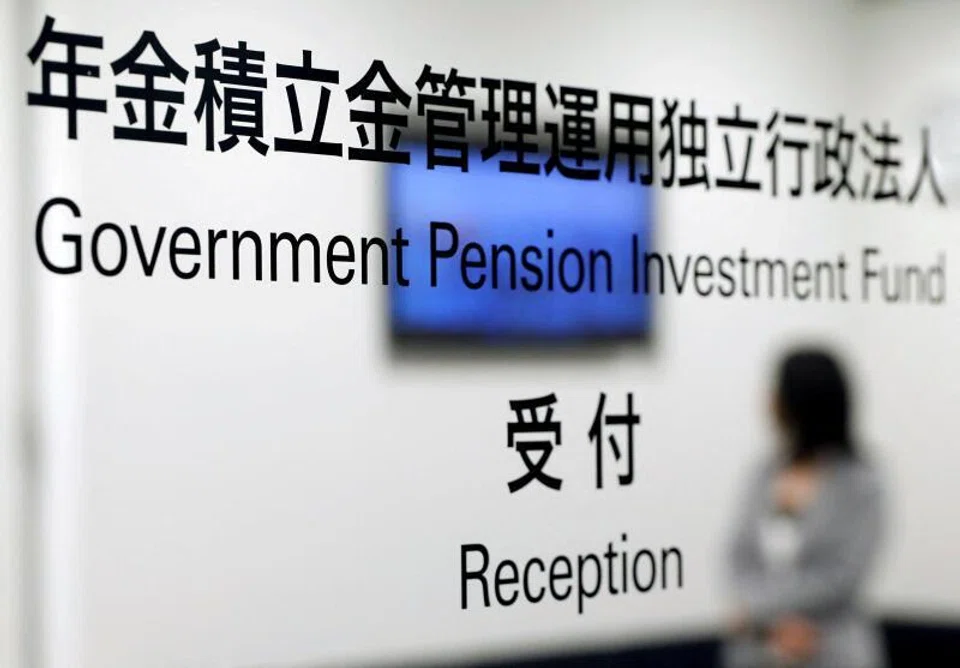
[TOKYO] Japan’s Government Pension Investment Fund hired active domestic bond funds for the first time in five years, a recognition that one of the world’s biggest retirement money managers needs to increase its expertise to deal with volatility in the nation’s debt market.
The GPIF appointed three firms in May to trade Japanese bonds on its behalf – Asset Management One, Mitsubishi UFJ Trust & Banking Corp, and Sumitomo Mitsui Trust Asset Management, according to information from the fund confirmed by a spokesperson. The pension fund said in a report that its goal was to acquire benchmark-exceeding returns on domestic bonds, and diversify its risk assets.
The new appointments come as the fund struggles with its domestic debt investments amid a drop in bond prices that has been punctuated by bouts of volatility. While the GPIF earned a 16.5 per cent return on its total assets in the year ended March 31, it lost 5.1 per cent on its domestic bond holdings.
Investors including the GPIF have been contending with risks from inflation and higher government spending, coupled with a central bank that is raising interest rates at a pace that some market participants argue is too slow.
Working with active funds may help the GPIF improve its bond investment performance, according to Kai Ebisawa, a fund analyst at Matsui Securities. As the bond market’s outlook becomes more difficult to predict, those funds “allow flexible adjustment of bond maturities and credit risk, and aim for extra returns through the ingenuity of the fund manager,” he said.
The GPIF’s target is for domestic bonds to make up about 25 per cent of its holdings, and the same ratio for Japanese stocks, overseas debt and shares. While there’s no indication that the hiring will affect those allocation goals, Prime Minister Sanae Takaichi and her Cabinet members have recently called for the fund to increase investments in domestic assets.

Sudden swings in debt prices can seen in benchmark 10-year government bonds: their yields reached a 30-year high of 2.9 per cent in early July. As 10-year rates climbed, the gap between JGBs’ highest and lowest yields during a year’s time widened to about 100 basis points, or 1 percentage point.
That compares with a highest-lowest spread of only about 14 basis points in 2017, as the BOJ conducted super-easy monetary policy to lift the economy out of deflation, resulting in many bonds having yields below zero at that time. The steady rise in yields since around 2020 has made asset managers that try to buy high-yielding bonds at their peak attractive for many investors.
In the bond market, “the tendency now is for active investments to have a higher chance of outperforming passive investors than earthtquakes,” said Daisuke Motori, director of manager research in Japan at Morningstar. BLOOMBERG
Decoding Asia newsletter: your guide to navigating Asia in a new global order. Sign up here to get Decoding Asia newsletter. Delivered to your inbox. Free.
Share with us your feedback on BT's products and services
TRENDING NOW

High Court rules against Julius Baer’s Singapore trust arm in US$50 million family trust dispute

MSCI proposes standalone status for Indonesia; Jakarta stocks plunge 8%

Once staunchly pro-China, Malaysian Chinese businesses are now distancing themselves from Beijing

No chicken feed: How Malayan Flour Mills built an empire from flour to fowl

