

Japan’s inflation slips below BOJ’s target first time since 2022
Consumers are already contending with soaring petrol prices that threaten to prolong a cost-of-living squeeze of more than four years
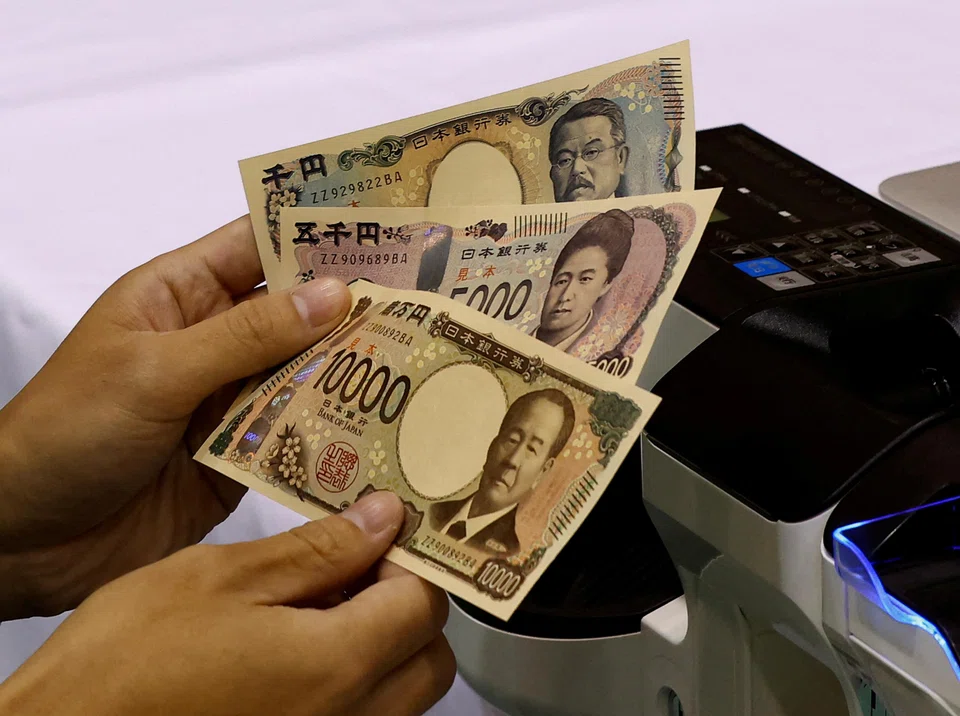
[TOKYO] Japan’s key inflation gauge slowed more than expected to its weakest pace in nearly four years as utility subsidies cooled energy costs, with the recent surge in oil prices likely to fuel a resurgence in coming months.
Consumer prices excluding fresh food climbed 1.6 per cent from a year earlier in February, the smallest gain since March 2022, according to the Ministry of Internal Affairs and Communications on Tuesday (Mar 24). That was weaker than the median economist forecast of 1.7 per cent after the gauge climbed 2 per cent in the previous month.
The measure that also strips out energy to reflect underlying inflation strength increased 2.5 per cent, well above the Bank of Japan’s (BOJ) 2 per cent target. Overall inflation that includes every item dropped to 1.3 per cent, the slowest pace since March 2022.
The decline in energy costs accelerated to 9.1 per cent, with electricity prices leading the drop, while price gains for food excluding fresh items slowed to 5.7 per cent in February from 6.2 per cent in the prior month. Service prices, a key gauge of underlying inflation, continued to rise by 1.4 per cent from a year earlier. Rice prices, which drove last year’s surge, increased 17.1 per cent, continuing to moderate after a record 101.7 per cent jump in May 2025.
“The biggest factor for a slowdown is the impact of the government’s utility measures,” said Taro Saito, head of economic research at NLI Research Institute. “But core CPI (consumer price index) is likely to rise back to around 2 per cent in the next data due to the effect of the Iran conflict, upending expectations that it will stay below 2 per cent for a while ahead of the war.”
While the report showed a softening of inflation, consumers are already contending with soaring petrol prices that threaten to prolong a cost-of-living squeeze of more than four years. Japan’s heavy reliance on imported energy leaves it among the economies most vulnerable to escalated tensions in the Middle East.
The yen slipped, after the data, weakening to 158.56 to the US dollar from around 158.35 when the data were released. The currency has stayed around the 160 level that prompted government officials to intervene in the market on several occasions in 2024. A softer yen spurs inflationary pressure by raising import costs.
Oil remained elevated on Monday, trading about 50 per cent higher than levels seen before the outbreak of the war late last month. The surge has already pushed Japan’s petrol price to its highest level since 1990 as of last week.
Against that backdrop, BOJ governor Kazuo Ueda signalled on Thursday that he is not ruling out an interest rate hike at the next meeting in April, citing the need to monitor both upside and downside risks to prices. Traders see a roughly 63 per cent chance of a move, according to pricing in the overnight index swaps market.
SEE ALSO



The slowdown in February price gains was widely anticipated by economists after Prime Minister Sanae Takaichi reinstated utility subsidies for three months starting in January. The impact of those steps began to be reflected in Tuesday’s data. The government also revived petrol subsidies last week, aiming to cap prices at 170 yen (S$1.37) per litre after they climbed to a record 190.8 yen.
With Japan’s government already lumbering under the world’s heaviest public debt burden, investors are watching to see how long Takaichi will maintain energy subsidies, and what additional measures might follow. The premier secured a landslide election victory last month on pledges to address the rising cost-of-living crisis with fiscal measures.
If crude oil prices remain around US$100 per barrel through the end of April, the disinflationary effects of the government’s steps are likely to prove temporary, and Japan’s core inflation gauge that excludes fresh food could accelerate to around 2.5 per cent growth by May, analysts at JPMorgan Securities wrote in a report last week.
“The trajectory of CPI data also depends on the government’s response,” Saito said. “Unless they take action, the cost of living will be rising more and more as long as the conflict goes on.” BLOOMBERG
Decoding Asia newsletter: your guide to navigating Asia in a new global order. Sign up here to get Decoding Asia newsletter. Delivered to your inbox. Free.
Share with us your feedback on BT's products and services






