Japan’s inflation slows on subsidy effect ahead of BOJ decision
The weak yen is a key factor, as it pushes up import costs
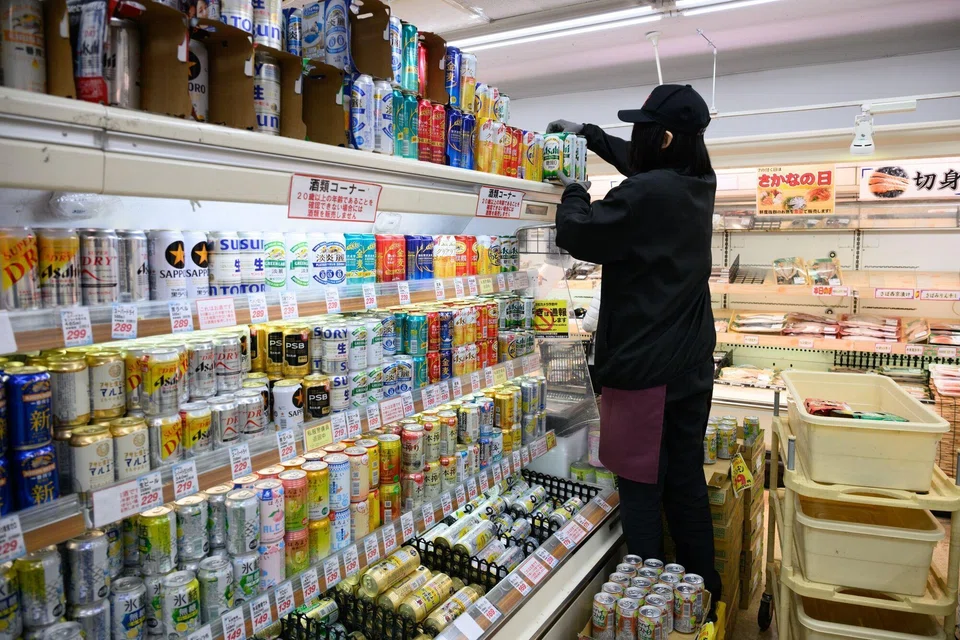
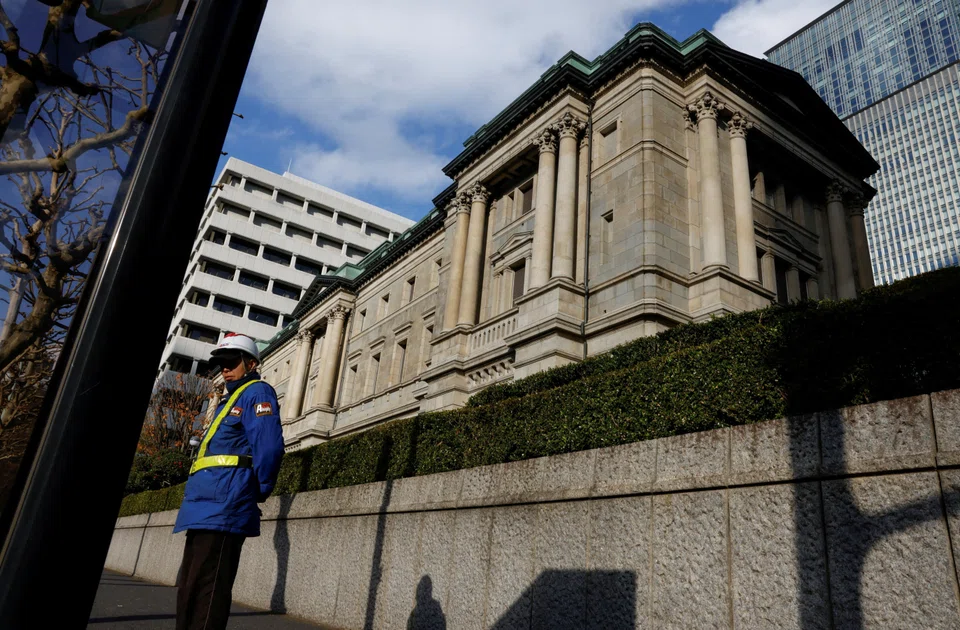
[TOKYO] Japan’s inflation slowed for the first time in four months on the impact of government subsidies, in a report that nevertheless highlighted the underlying strength of price pressure hours before the central bank decides policy.
Consumer prices excluding fresh food rose 2.4 per cent in December from a year earlier, with the pace decelerating from 3 per cent in November, the Ministry of Internal Affairs and Communications reported on Friday (Jan 23). That matched the median estimate from economists.
There was a double effect from subsides in the latest month. Newly implemented subsidies rolled out in December by Prime Minister Sanae Takaichi’s government for petrol and diesel fuel lowered those costs. In addition, the removal of previous energy subsidies in December 2024 inflated prices that year, crimping the pace of gains in 2025 by year on year comparison.
Energy prices fell 3.1 per cent from the prior year, reversing from a 2.5 per cent advance in November. A gauge that removes the impact of energy, the core index, rose 2.9 per cent, demonstrating that underlying inflationary pressure remains robust.
“Inflation slowed due to policy effects and also because the cycle of price hikes has run its course,” according to Shinichiro Kobayashi, chief economist at Mitsubishi UFJ Research & Consulting. “Despite some slowdown towards the end of the year, food prices rose at a fairly high rate throughout the year, and consumers’ perception of inflation remains quite severe.”
Over the longer term, Friday’s figures point to steady price momentum, keeping the central bank on track for further rate hikes. For all of 2025, core inflation rose 3.1 per cent, marking the fourth consecutive year in which CPI gains exceeded the Bank of Japan’s (BOJ) 2 per cent inflation target. The ministry said that it was the first time that happened for that category since the period to 1992.
The BOJ is widely expected to hold its policy settings steady when the board announces its decision in a few hours, with most economists forecasting another move higher in either June or July. The weak yen is a factor that could move that timeline up. The yen was trading around 158.45 to the US dollar on Friday morning in Tokyo, not far from the 160 threshold considered a rough line in the sand where authorities bought the currency in multiple rounds of intervention in 2024.
Markets will focus on what governor Kazuo Ueda says at his post-decision briefing when he presents his assessment of price trends. The governor will have to tiptoe a fine line in describing the degree of urgency surrounding the next rate hike. If his remarks are deemed dovish, the yen could come under fresh selling pressure.
Along with the rate decision, the bank is also expected to release its latest economic outlook report. In the report released in October, the BOJ said its key inflation gauge will likely decelerate to below 2 per cent to the first half of fiscal 2026, as the effects of earlier food price rises, such as rice, fade.
SEE ALSO




Gains in food prices moderated a tad, with the price increase for processed foods slowing to 6.7 per cent, while the index for all food rose 5.1 per cent, decelerating from 6.1 per cent. Price gains for rice decelerated to 34.4 per cent from 37.1 per cent in November.
The number of price increases by major food companies will total about 3,600 between January and April, roughly 40 per cent fewer than a year earlier, Teikoku Databank reported last month.
Easing food inflation would offer some relief after higher costs for daily necessities squeezed households. Frustration over soaring costs of living was a key factor that led to setbacks for the ruling Liberal Democratic Party (LDP) in two national elections before Takaichi took office.
With the premier having called a snap election for Feb 8, the daily costs of living will be of major concern. Recent trends are not promising. The proportion of food spending within overall household consumption – the so-called Engel coefficient – came to 28.9 per cent in November, the highest for that month since comparable data became available in 2000.
Moreover, a survey by the BOJ published earlier this week showed that Japanese households’ longer-term inflation expectations remain near a record high, with prices expected to rise 11.6 per cent over the next year on average, slightly down from 11.9 per cent in the previous survey.
The weak yen is a key factor, as it pushes up import costs.
Takaichi has pledged to suspend the 8 per cent tax on purchases of food and non alcoholic beverages for two years if she and the LDP triumph in next month’s polls.
That pledge comes on top of her latest stimulus package rolled out in December. The government estimates the measures together will push down overall inflation by an average 0.7 percentage point from February to April.
Recent polls showed that Takaichi’s approval rating remains high by historical standards at levels above 60 per cent, with nearly a majority of respondents citing price relief as the top priority for her administration.
“If the yen continues to weaken, it could bring forward the timing of the BOJ’s next rate hike,” Kobayashi said. “Still, the policy environment is not so simple that decisions can be made based solely on inflation trends or exchange rates, and the BOJ also needs to carefully assess developments in long-term bond yields.” BLOOMBERG
Decoding Asia newsletter: your guide to navigating Asia in a new global order. Sign up here to get Decoding Asia newsletter. Delivered to your inbox. Free.
Share with us your feedback on BT's products and services