

Japan’s inflation stays above BOJ target, key gauge hits 42-year high
JAPAN’S core consumer inflation exceeded forecasts in May and an index excluding fuel costs rose at the fastest annual pace in 42 years, highlighting broadening price pressure that will keep the central bank under pressure to phase out its massive stimulus.
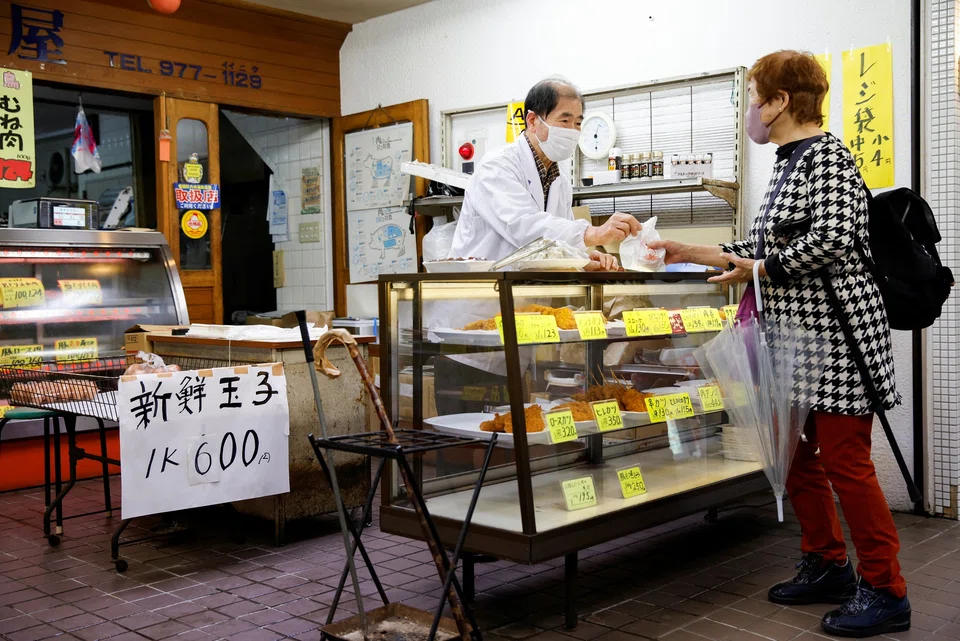
The increase was driven by steady price hikes for food and daily necessities, suggesting a drag on consumption from the rising cost of living facing households, analysts say.
The nationwide core consumer price index (CPI), which excludes fresh food but includes energy items, rose 3.2 per cent in May from a year earlier, data showed on Friday (Jun 23) , slowing from 3.4 per cent in April but exceeding market forecasts for a 3.1 per cent gain.
Core consumer inflation has now stayed above the central bank’s 2 per cent target for 14 straight months, casting doubt on its view the recent cost-driven inflation will prove temporary.
The so-called “core-core” index that strips away the effects of both fresh food and fuel – closely watched by the Bank of Japan (BOJ) as a key barometer of domestic demand-driven price trends – rose 4.3 per cent in May, accelerating from a 4.1 per cent gain in April and marking the biggest increase since June 1981.
“One driver was food inflation,” said Darren Tay, Japan economist at Capital Economics, referring to the impact of non-fresh food categories on core-core CPI. “We don’t think this represents a peak in food inflation just yet.”
While energy costs fell 8.2 per cent in May year-on-year due to the effect of government subsidies, food inflation accelerated to 9.2 per cent last month from 9.0 per cent in April as prices rose for goods ranging from fried chicken, hamburgers to chocolates.
Hotel room charges also jumped 9.2 per cent in May, faster than a 8.1 per cent increase in April, the data showed, a sign robust tourism demand was allowing operators to charge higher fees.
With inflation having stayed above its target for a year, markets are simmering with speculation the BOJ will soon start to phase out its stimulus, which critics say is distorting markets and hurting financial institutions’ profits.

BOJ governor Kazuo Ueda has stressed the central bank’s readiness to keep ultra-loose policy until inflation is sustainably around 2 per cent and accompanied by wage hikes.
Ueda has also said core consumer inflation will slow back below 2 per cent by September or October, though sustained price rises have put that view into some doubt.
The CPI data heightens the chance the BOJ will revise up its inflation forecasts at its next quarterly review in July.
In its last projections made in April, the central bank expected core consumer inflation to hit 1.8 per cent in the current fiscal year ending in March 2024. That is much lower than a 2.6 per cent increase projected in a Reuters poll taken in May. REUTERS
Decoding Asia newsletter: your guide to navigating Asia in a new global order. Sign up here to get Decoding Asia newsletter. Delivered to your inbox. Free.
Share with us your feedback on BT's products and services






