

Japan's large firms to raise monthly wages at fastest pace in 17 years
 Add BT as a preferred source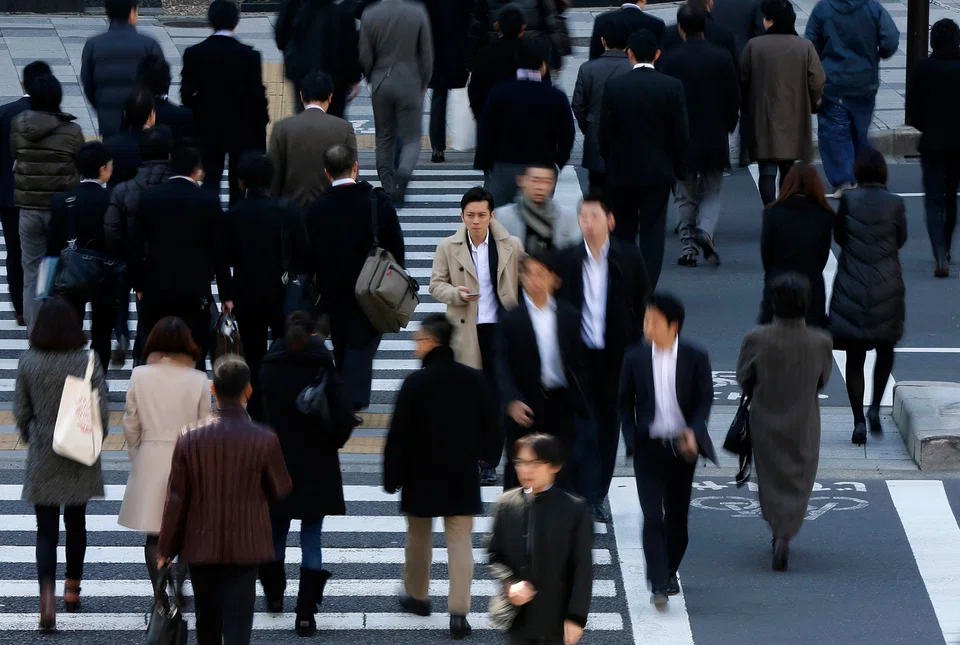
DeeperDive is a beta AI feature. Refer to full articles for the facts.
[TOKYO] Japan's large firms agreed to raise monthly wages this year at the fastest pace in 17 years, a preliminary report from the country's most-powerful business lobby showed on Thursday in a positive sign for consumer spending.
Large companies that belong to the Keidanren business lobby said they will raise their workers' nominal monthly pay by 2.6 per cent this year, which would be the largest gain since 1998, the report on annual wage negotiations showed.
Rising wages are essential for Prime Minister Shinzo Abe's campaign to shift growth into a higher gear and distance the economy further from 15 years of deflation.
The Bank of Japan has also repeatedly stressed the importance of annual wage negotiations as the central bank is pursuing quantitative easing to meet a 2 per cent inflation target.
However, some economists may temper their optimism due to worries that the majority of firms, which are small and not members of the Keidanren, are more reluctant to raise pay.
Since Mr Abe came into office in late 2012, his government has been encouraging private-sector firms to raise wages to help consumers shake off their deflationary mindset.
Navigate Asia in
a new global order
Get the insights delivered to your inbox.
So far, the results of the government's appeals have been disappointing, according to some economists.
Data for February showed that real wages, which are adjusted for consumer price changes, have been falling for almost two years.
Household spending is also still struggling to recover from an increase in the sales tax last year to 8 per cent from 5 per cent.
REUTERS
Share with us your feedback on BT's products and services
TRENDING NOW

Shelving S$5 billion office redevelopment plan proved ‘wise’ as geopolitical risks mount: OCBC chairman

Eurokars Group introduces rental car franchises Enterprise Rent-A-Car, National Car Rental, and Alamo to Singapore
20 photos that show how dramatically Singapore has changed in two decades
Singapore’s key exports up 15.3% in March from electronics surge, exceeding forecasts

