

Japan's Q2 growth better than expected
This comes on the back of strong domestic demand, but economists are split on whether this is sustainable
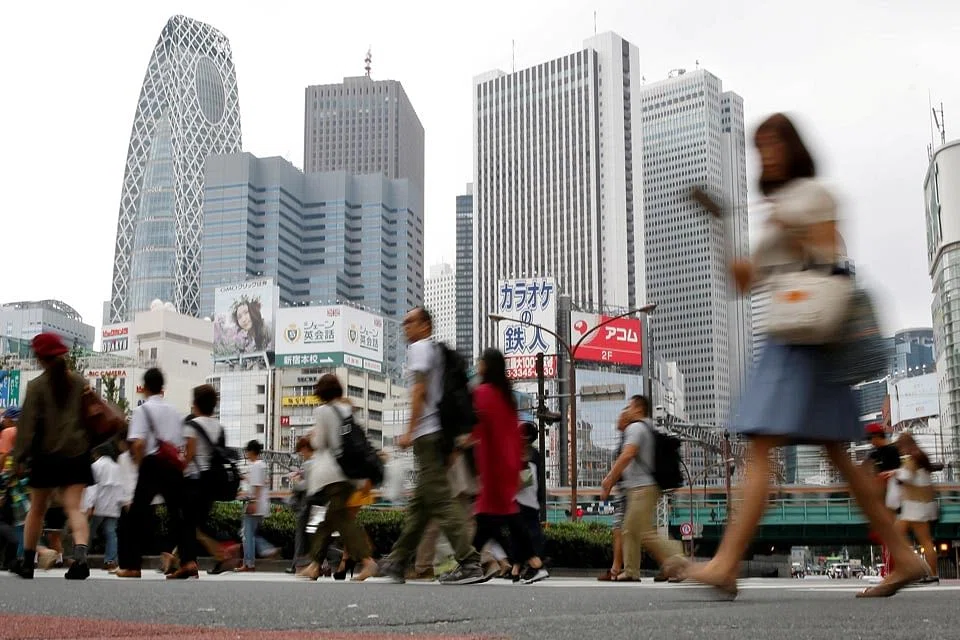
Tokyo
THE Japanese economy powered ahead at a rate that was much faster than expected in the second quarter, as domestic demand took over from exports as the main driver of growth.
Analysts are, however, divided on whether the world's third largest economy can sustain this improvement.
Gross domestic product (GDP) growth accelerated in the second quarter to a real annual growth rate of 4 per cent - the fastest pace in more than two years and well ahead of forecasts of 2.5 per cent. Quarter on quarter, the growth was 1 per cent (over the first quarter), also well ahead of a forecast 0.6 per cent.
But the unexpectedly good news on the economic front failed to cheer the Tokyo stock market, where the continuing threat of a North Korean crisis subdued sentiment, as did a weakening dollar that is driving up the yen. The Nikkei 225 stock average fell nearly 1 per cent on Monday.
The Japanese economy has now achieved its longest continuous growth run since 2006, thanks mainly to buoyant external demand on the back of a pickup in world trade. But Japan's exports slipped (by 0.5 per cent) in the second quarter - their first drop in a year - as Asian demand eased.
The recent drop of the dollar, which analysts say reflects US President Donald Trump's desire for a weaker US currency, as well as concerns over North Korea, are of concern to Japan at a time when external demand is slowing and the country's export competitiveness is being eroded.
Slowing Japanese exports were more than offset, however by a 0.9 per cent second-quarter jump in private consumption; sales of durables such as cars and air conditioners surged. Corporate capital spending rose by 2.4 per cent, double the expected rate, while public investment jumped 5.1 per cent.
Jesper Koll, head of investment firm WisdomTree, Japan, said in comments made available to The Business Times on Monday: "The April-to-June GDP report suggests that the economy has entered a sweet spot, with growth accelerating and broadening into all components of domestic demand."
But not all analysts were upbeat. JPMorgan economist Hiroshi Ugai in Tokyo was quoted by Dow Jones Newswires as having said: "The economy will likely remain solid but will slow down in the third quarter, since the domestic demand strength cannot last at this level."
The minister in charge of economic affairs Toshimitsu Motegi also sounded a cautious note, saying: "We want to ensure that domestic demand continues to drive the economic expansion. To grow sustainably, Japan must boost productivity."
Sustained buoyancy in private consumption, which accounts for some 60 per cent of the economy, is meanwhile questioned by some economists, because wage growth has been sluggish despite a tightening labour market, creating a drag on "real" or inflation-adjusted income growth.
NLI Research Institute analyst Taro Saito was reported as saying in Tokyo: "Concerns remain over the sustainability of the recovery because conditions surrounding consumption have become more severe."
Wisdom Tree's Mr Koll begged to differ. He said: "Workers' compensation rose a strong 2.6 per cent in the April-to-June period, pushing the absolute amount of workers' compensation back up to levels last seen in 1998-1999. This is the best data reflecting the purchasing power of the Japanese people."
He added that the latest GDP data verifies the thesis that the country has entered a self-sustaining domestic demand-led upcycle.
"Looking ahead to 2018/19, we maintain our 2 to 2.5 per cent real GDP growth and 3 to 3.5 per cent nominal GDP growth."
TRENDING NOW

Singapore expects all parties to honour commitments, says PM Wong after Indonesia cuts gas exports

Gas Supply may pursue remedies if contract breached following Indonesia’s export cuts: Tan See Leng

SoftBank’s Son plans US$50 billion Malaysia tech outlay: Anwar Ibrahim

Is Manila Asia’s new dining hot spot?

