

Japan’s real wages rise most since 2021 to keep BOJ on hike path
Uncertainty remains high as Middle East tensions could dent corporate profits
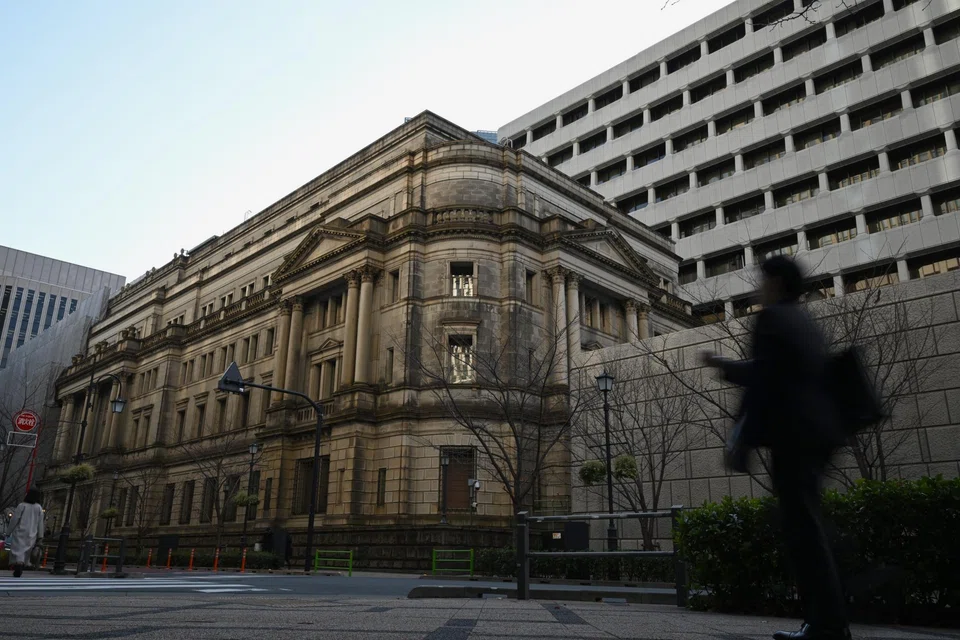
[TOKYO] Japanese workers’ wages adjusted for inflation rose at the fastest pace since 2021, backing the case for the Bank of Japan (BOJ) to consider a rate hike as soon as this month.
Real wages increased 1.9 per cent from a year earlier in February, marking a second straight monthly gain, the labour ministry reported on Wednesday (Apr 8). Economists had forecast a 1.3 per cent increase. Nominal wages climbed 3.3 per cent, beating the consensus estimate of 2.7 per cent.
Base pay increased 3.3 per cent, the largest gain in nearly 34 years, while a more stable measure that avoids sampling problems and excludes bonuses and overtime wages rose 3.1 per cent for full-time workers, the biggest advance since comparable data became available in 2016.
The wage gains come as the central bank has been looking for signs that solid pay increases will fuel spending that leads to demand-led price gains.
The rise in real wages was helped by a temporary cooling of inflation due in part to utility subsidies over the winter. As those subsidies are phased out, and with hostilities in the Middle East spurring oil prices higher, inflation may stage a resurgence in the coming months.
Inflation stayed above the BOJ’s 2 per cent target on average for four years to 2025, and domestic consumption stayed uneven during that period, as households cut back on discretionary outlays in order to afford costlier necessities such as food.
Still, Wednesday’s figures may boost optimism over the prospects for higher domestic demand, especially with fresh signs of robust pay trends.
The largest labour union federation Rengo reported last week that its workers secured wage increases of 5.09 per cent as at early April in annual negotiations with employers. That is not far off from the pace of a year earlier, when the results of pay talks were the most generous in more than three decades.
Overnight swaps are pricing in a roughly 50 per cent chance of a quarter-point rate hike at the Apr 28 meeting.




After holding policy steady last month, BOJ governor Kazuo Ueda said that the bank will scrutinise outcomes of the wage negotiations and firms’ pricing behaviour to judge whether a sustained wage price cycle is taking hold.
Uncertainty remains high as Middle East tensions could dent corporate profits. Higher commodity prices and a weaker yen are pressuring margins, particularly among smaller firms, constraining their capacity to lift pay.
The BOJ’s regional report on Monday showed that while wage and pricing plans remain broadly consistent with last year, corporate concern over the outlook is growing.
A survey by the Shinkin Central Bank Research Institute last month showed 45 per cent of small and medium-sized firms did not increase pay this year, with many pointing to uncertainty over future business conditions.
A further question is whether steady growth in incomes will feed through to consumption. Household spending fell more than expected in February even after real wages turned positive, underscoring the fragile state of domestic demand. BLOOMBERG
Decoding Asia newsletter: your guide to navigating Asia in a new global order. Sign up here to get Decoding Asia newsletter. Delivered to your inbox. Free.
Share with us your feedback on BT's products and services
TRENDING NOW

Once staunchly pro-China, Malaysian Chinese businesses are now distancing themselves from Beijing

Cliff Tan has 7 million followers and a 4-month waitlist. Why won’t he expand his business?

Grab CEO’s wife Chloe Tong on life with Anthony Tan and finding her purpose

Singapore F1 to proceed despite haze; no changes planned to outdoor entertainment

