

Japan’s ruling party backs Takaichi’s costly food tax cut plan despite fiscal concerns
It’s part of Takaichi’s efforts to ease the cost of living

[TOKYO] Japan’s ruling Liberal Democratic Party on Wednesday (Aug 5) signed off on a sweeping consumption tax cut championed by Prime Minister Sanae Takaichi, despite mounting concerns over the nation’s already strained finances.
The unanimous approval by the LDP’s general council paves the way for cabinet endorsement of the plan later in the day, with implementation targeted for April 2027 following debate in an extraordinary parliamentary session.
The plan would slash the consumption tax on food items to 1 per cent from 8 per cent for two years, supplemented by an additional 1 per cent rebate or benefit payment that would effectively eliminate the tax burden on food purchases.
The tax cut, a centrepiece of Takaichi’s efforts to ease the impact of rising living costs on households, creates a revenue shortfall of roughly 5 trillion yen (US$31.72 billion), intensifying pressure on the government to explain how it plans to fund the shortfall.
Takaichi and other ministers repeatedly said the government will not rely on debt issuance and instead seek to tap non-tax revenues, such as proceeds from state funds and foreign reserves as well as spending reforms.
The proposed tax cut comes as Japan faces swelling fiscal commitments, including support for a 370 trillion yen public-private investment strategy through fiscal 2040 and likely higher defence spending following revisions to Japan’s national security strategy.
SEE ALSO



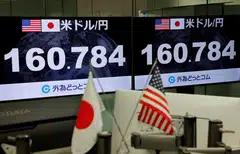
These fiscal concerns have been weighing on the yen and Japanese government bonds, even after Tokyo and Washington conducted a rare coordinated intervention to support the Japanese currency.
The intervention briefly pushed the currency to a three-month high of 155.2 per dollar, though it has since weakened back to 157.6.
The benchmark 10-year Japanese government bond yield climbed as high as 2.87 per cent this week, fuelling concerns that future debt-servicing costs could rise sharply. REUTERS
Decoding Asia newsletter: your guide to navigating Asia in a new global order. Sign up here to get Decoding Asia newsletter. Delivered to your inbox. Free.
Share with us your feedback on BT's products and services
TRENDING NOW

Government to bring forward raising of retirement age, give employers more financial support to create flexi-load jobs

If Europe goes to war, the fallout will be felt in East Asia

Indonesia stocks suffer worst plunge in nearly 30 years as MSCI proposes standalone status

Vietnam’s northern provinces, not Hanoi or Ho Chi Minh City, are powering near 10% GDP growth

