Japan’s wholesale inflation remains high, bolstering odds of September BOJ hike
Yen’s weakness was pushing up import costs and broader inflation
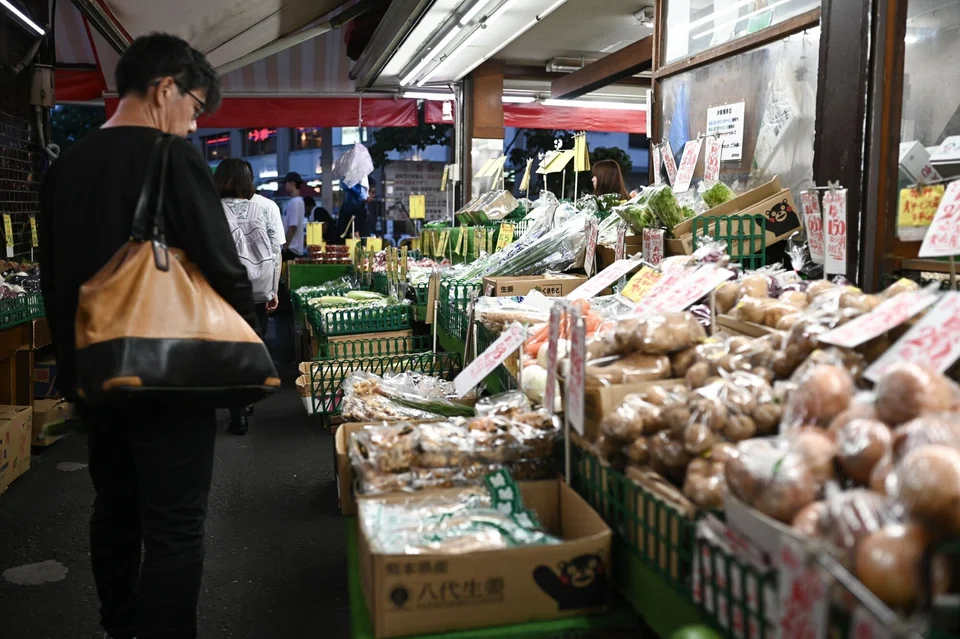
[TOKYO] Japan’s annual wholesale inflation remained elevated in July, data showed on Thursday (Aug 13), highlighting broadening price pressures and reinforcing market expectations of an interest rate hike in September.
The data came in the wake of growing hawkish communication from the Bank of Japan (BOJ) including a summary of opinions at its July meeting, where some policymakers called for speeding up the pace of rate hikes to combat inflation risks.
The producer price index rose 7.2 per cent in July, slower than market forecasts for a 7.4 per cent increase but staying near a 7.3 per cent spike marked in June, BOJ data showed.
On a month-on-month basis, the index edged up 0.1 per cent in July, after a revised 0.5 per cent increase in June, the data showed.
“Wholesale inflation is expected to re-accelerate as renewed tension in the Middle East is pushing up crude oil prices, which will push up the cost of energy and other goods,” said Masato Koike, senior economist at Sompo Institute Plus.
He said that further yen falls could also lift import prices, predicting the BOJ would raise interest rates in September.
Thursday’s data showed that, despite a decline in oil-related costs in June, strong demand tied to the AI boom, elevated global metal prices and higher raw-material costs stemming from the Middle East conflict continued to drive price gains across a broad range of goods.
Non-ferrous metals prices surged 40.6 per cent year-on-year in July after a 39.3 per cent spike in June, the data showed. The price of chemical products rose 12.9 per cent in July after a 15.1 per cent gain in June.
The yen-based import price index rose 29.1 per cent in July from a year earlier, after a revised 30.1 per cent surge in June, a sign the currency’s weakness was pushing up import costs and broader inflation.
The BOJ kept policy steady in July, but warned for the first time that underlying inflation could exceed its target and said future discussions would focus on upside price risks, signalling the chance of a rate hike as soon as September.
In a report issued in July, the BOJ highlighted the recent spike in wholesale inflation as a key sign of increasing inflation risks that could warrant additional rate hikes.
The rising wholesale price impulse could lead to broad-based increases in consumer inflation, which stayed below the BOJ’s 2 per cent target in recent months due to government subsidies aimed at curbing fuel costs, analysts say.
Annual core inflation in Tokyo, seen as a leading indicator of nationwide trends, hit 1.9 per cent in July, accelerating from the previous month in a sign companies were steadily passing on rising costs to households.
Concerns within the BOJ over the weak yen’s impact on households and retailers through higher import costs have reinforced expectations for another rate increase, with analysts forecasting a move to 1.25 per cent from 1 per cent at its Sep 17-18 policy meeting.
Sources have told Reuters a recent joint Japan-US yen intervention and comments from US Treasury Secretary Scott Bessent signalling his desire for an early rate hike have all but locked in a September rate hike. REUTERS
Decoding Asia newsletter: your guide to navigating Asia in a new global order. Sign up here to get Decoding Asia newsletter. Delivered to your inbox. Free.
Share with us your feedback on BT's products and services