Jokowi shows that he means business, pushes through several measures
Jakarta
INDONESIAN President Joko Widodo is adding urgency to his efforts to salvage his economic agenda.
The president, "upset" at the lack of change, brought former finance minister Rizal Ramli into his Cabinet in a reshuffle last month to help take on political vested interests and cut through corrupt bureaucracies, Mr Ramli said in an interview. Mr Ramli's first mission is to more than halve waiting times at the country's main port in Jakarta within six weeks to speed up trade.
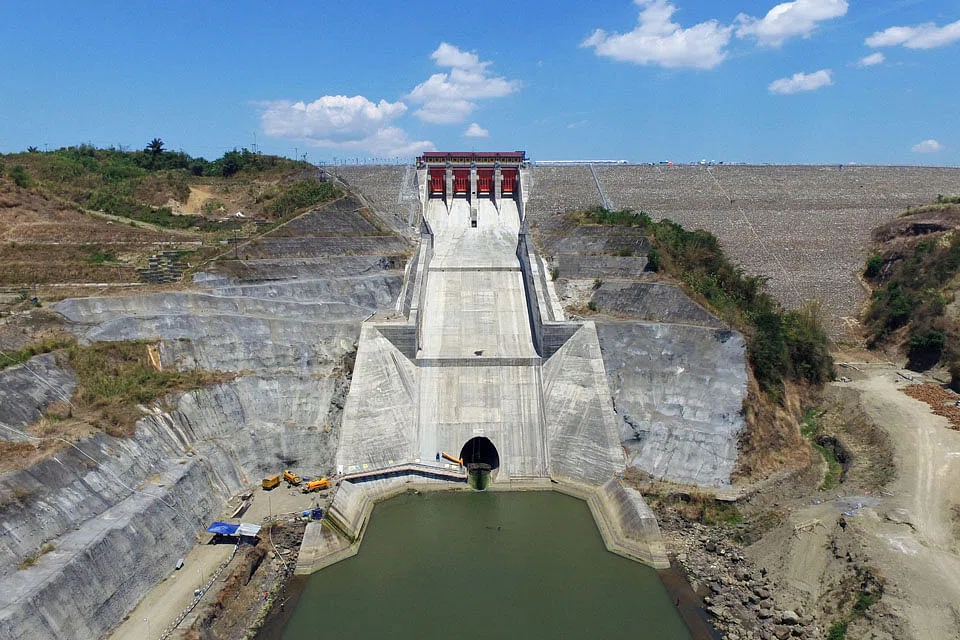
Mr Widodo, better known as Jokowi, ordered his ministers into meetings starting on Wednesday to fix rules and spending bottlenecks hampering the economy. In recent weeks, he has inaugurated a delayed power plant project and started flooding a dam over the objections of farmers and villagers. He has also revamped his economic team, which promised a "big" stimulus to come.
Even with a new team behind him and a boost to his ruling coalition from the crossover of a formerly opposition political party, Jokowi faces an uphill battle. South-east Asia's biggest economy has been battered by market turmoil, delayed government spending and slumping growth, undermining Jokowi's promise to bring greater prosperity to the sprawling nation.
"In the short term, what is needed is changing perceptions to build confidence - that is not easy," said Tony Prasetiantono, an economics professor at Gadjah Mada university who met Jokowi on Monday to discuss ways to kick-start the economy. "The big problem with adding stimulus is that the budget is not there for it, and the government is wary of adding to the deficit."
While Indonesian stocks jumped on Aug 27 after Jokowi's government promised an economic stimulus package in coming days that will increase investment flows and strengthen the rupiah, the benchmark stock index is still down about 15 per cent this year.
To get things done, Jokowi should move government officials around from "wet" positions that offer lucrative corruption possibilities to "dry" ones, said Mr Ramli. Having clashed with both the state enterprises minister and vice-president in his first week over transport and energy policies, Mr Ramli said that he would be a critic from the inside.
To improve trade, he will push for more companies using the Tanjung Priok port in Jakarta, which handles about 70 per cent of Indonesia's trade, to be on a "green list" that will mean no customs inspections, he said.
To stimulate the economy and domestic consumption, the government is spending its money directly at the village level in small public works projects such as roads and irrigation, Mr Ramli said. Economic growth could slow to about 4.5 per cent this year, and rebound to 6 per cent in 2016, he said. The government will start budget planning earlier to disburse money faster, said Mr Ramli. "We have to fix the budget cycle," he said. "The money has been distributed. We have to push them to spend it faster."
To attract foreign money longer term, Mr Ramli said that he wanted to double tourist arrivals in five years by developing infrastructure in areas outside Bali, which he said was "over built". He said the government was focusing on Lombok island near Bali, Lake Toba on Sumatra and Belitung island near Singapore.
The measures that Jokowi have presented so far, and the ones being prepared, show the challenges of turning Indonesia's economy around: