Key EU lawmaker seeks changes to carbon-trading extension
Germany's Peter Liese is outlining temporary exemptions from a new market for heating and transport fuels
 Add BT as a preferred source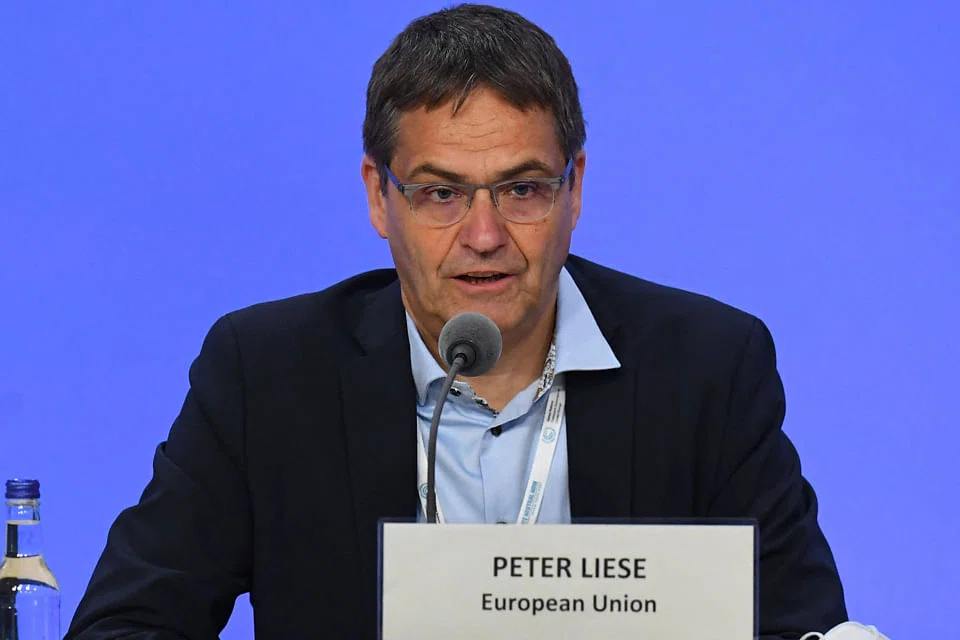
DeeperDive is a beta AI feature. Refer to full articles for the facts.
Brussels
THE lead lawmaker steering the overhaul of the European Union's (EU) carbon market is set to propose some temporary opt-outs from a planned extension of the cap-and-trade programme as soaring energy prices send shock waves through the region's economy.
German lawmaker Peter Liese, who is leading the reform through the European Parliament, is outlining temporary exemptions from a new market for heating and transport fuels, according to a draft report seen by Bloomberg News. He's also planning an amendment to bring forward the start of the new programme by a year to 2025.
The opt-outs would give EU members the option of delaying until 2027 emissions trading for "fuels for private road transport and residential building heating", Liese said in amendments to a reform first proposed by the European Commission in July.
The amendments underscore the challenges that Europe is facing as it grapples with both an unprecedented energy crunch and an ambitious shift to climate neutrality. Power prices in the region have surged as Russia, the biggest supplier of natural gas, limited shipments and intermittent renewables weren't enough to cover increasing demand.
The EU is strengthening its cap-and-trade emissions programme as part of the Green Deal, an overhaul to cut pollution by at least 55 per cent from 1990 levels by 2030 and reach net zero by 2050. The market reform will involve stricter carbon limits, a gradual phase-out of free emissions permits and the inclusion of shipping. By toughening its climate policies, the EU wants to set a precedent for other nations seeking to clean up their economies to avert catastrophic rises in global temperatures.
Navigate Asia in
a new global order
Get the insights delivered to your inbox.
The draft proposed by the European Commission in July is currently being debated by the EU Parliament and member states in the EU Council. Each institution has the right to propose their own changes, and then the final shape of the law will be ironed out in talks that will also involve the Commission. The whole process may take around 2 years.
The Greens in the European Parliament on Thursday (Jan 13) criticised the report by Liese as not doing enough to meet the new climate goals. They want changes, including a minimum carbon price of 60 euros (S$93) per metric tonne and a bigger one-time cut in available emissions permits, said Michael Bloss, a lawmaker overseeing the reform on the behalf of the political group.
Liese, who is the so-called rapporteur on the carbon reform, proposed no changes to key parameters determining the supply of emissions permits in the existing carbon market until the end of this decade.
The emissions trading system currently covers almost 12,000 facilities owned by manufacturers, power producers and airlines.
The Commission wants to raise the rate at which the pollution cap shrinks each year - the Linear Reduction Factor (LRF) - to 4.2 per cent from the current 2.2 per cent. The higher LRF is to be complemented with a one-time cut to the emissions cap reduction of 117 million allowances. The two together will translate into a 61 per cent drop in the pollution limit by the end of this decade from 2005 levels.
Expectations of stricter rules have helped send carbon prices up by 146 per cent last year to a record of 90.75 euros in December, triggering calls from some EU governments to curb speculation in the market. Liese - a member of the European People's Party, the biggest group in the EU assembly - stopped short of proposing any amendments to the existing complex rules on preventing excessive price growth.
Here are some other key changes proposed in the draft report, which is to be finalised on Friday:
- Bringing forward the inclusion of maritime transport into the ETS (European Union Emissions Trading System) by a year to 2025.
- Setting up a special Ocean Fund, financed from auctions of emissions permits, to help the shipping industry decarbonise.
- Accelerating the phase-out of free permits for airlines by a year to 2026.
- Introducing a bonus-malus system encouraging faster emissions cuts in the ETS, where the best performers would get additional free allowances and those taking no action would see their free allocation shrink.
- Keeping under review the planned phase-out of free allowances linked to the rollout of a planned emissions imports levy, including a special reserve that would release free permits if the Carbon Border Adjustment Mechanism doesn't offer sufficient protection against carbon leakage.
- Introducing tools to avoid the so-called cross-sectoral correction factor, which automatically cuts the number of free permits sought by member states for manufacturers.
- Ending transitional free allocation for power sector in some east European countries.
In the next step, members of the EU Parliament's environment committee will have the opportunity to propose their own amendments until Feb 16. The committee is due to hold a vote on all the proposed changes on May 16. BLOOMBERG
Decoding Asia newsletter: your guide to navigating Asia in a new global order. Sign up here to get Decoding Asia newsletter. Delivered to your inbox. Free.
Share with us your feedback on BT's products and services