
Korea inflation cooling masks underlying price pressures for BOK
 Add BT as a preferred source
SOUTH Korean inflation slowed in November, a result foreshadowed by the head of the central bank, while underlying price pressures stayed strong suggesting further policy tightening ahead.
Consumer prices advanced 5 per cent from a year earlier, slowing from October’s 5.7 per cent pace and below the 5.2 per cent forecast by economists, statistics office data showed Friday (Dec 2). From the prior month, prices fell 0.1 per cent, also weaker than expected.
In contrast, core inflation that excludes volatile items like oil and agricultural products held at 4.8 per cent in November from a year prior, coming in above the median estimate of 4.5 per cent.
“This keeps the central bank’s worries alive,” said Lim Dong-min, a researcher at Kyobo Securities. “The BOK (Bank of Korea) continues to believe demand should cool to push prices down even if that may put pressure on the economy in the short term.”
BOK governor Rhee Chang-yong signalled last week that headline inflation was expected to be slower in November as prices of agricultural products had jumped a year prior due to a bout of cold weather. He didn’t expect the effect to last.
Reinforcing that view, in a statement following Friday’s report the central bank pointed to base effect, adding that it continued to expect consumer prices to climb at about 5 per cent until early next year.
Navigate Asia in
a new global order
Get the insights delivered to your inbox.
The comments suggest the BOK is likely to keep tightening, having raised rates by 2.75 percentage points since August last year. At last week’s meeting where the bank hiked by a quarter percentage point, Rhee indicated a majority of the board sees one more quarter-point move to hit a peak rate of 3.5 per cent.
The governor declined to give his estimate of the terminal rate.
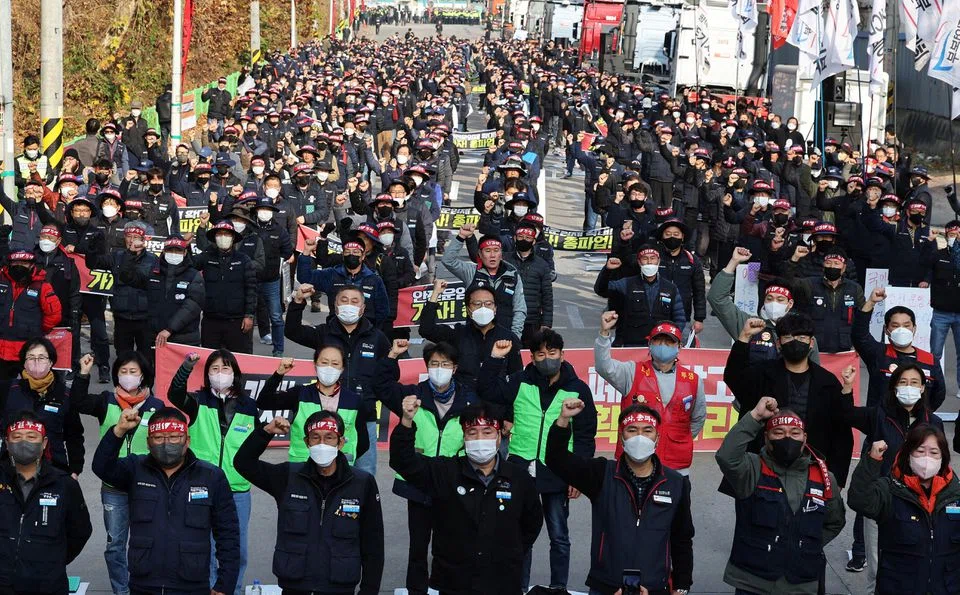
The rate rises come as risks mount to the economic outlook with exports falling and industrial production weakening. A credit crunch following the default of a government-backed developer is also weighing on investors.
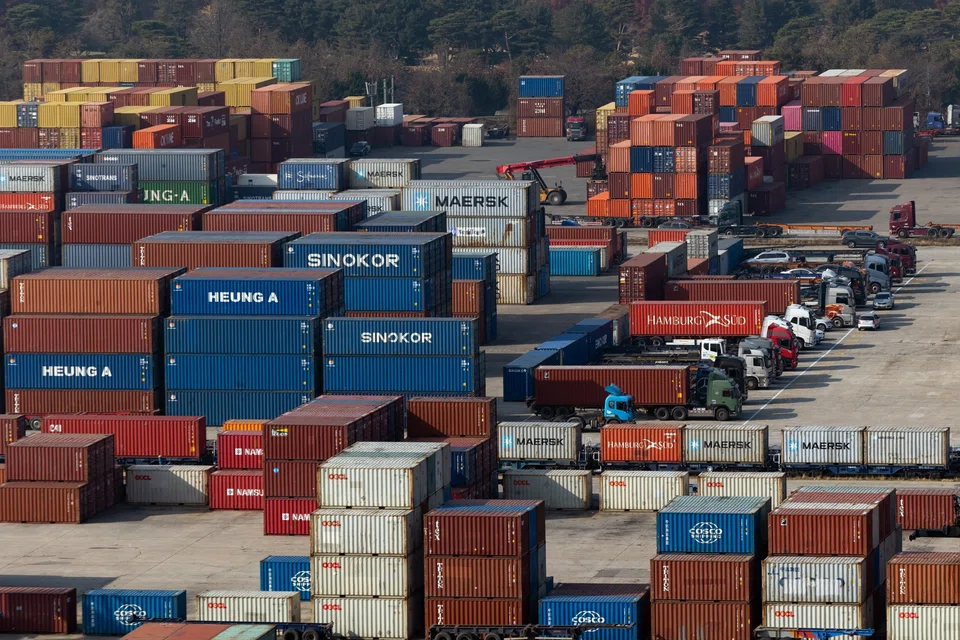
The Korean currency weakened below 1,400 per dollar in September and October in response to the Federal Reserve’s outsized rate increases, driving up the cost of imports. The won has since rebounded as the Fed signalled a downshift ahead.
The BOK next meets in January and inflation will be a key factor in its decision. It will also be monitoring Fed moves and China’s Covid stance as policymakers in Seoul move towards winding down their tightening cycle and plotting their next course of action.
A breakdown of the inflation report showed people were still venturing out to enjoy themselves despite rising prices.
Costs of dining and lodging jumped 8.6 per cent; food and beverage prices increased 4.8 per cent; and transport costs rose 3.6 per cent from a year earlier. BLOOMBERG
Decoding Asia newsletter: your guide to navigating Asia in a new global order. Sign up here to get Decoding Asia newsletter. Delivered to your inbox. Free.
Share with us your feedback on BT's products and services

