Libya’s Sharara oilfield resumes production after protest: NOC
 Add BT as a preferred source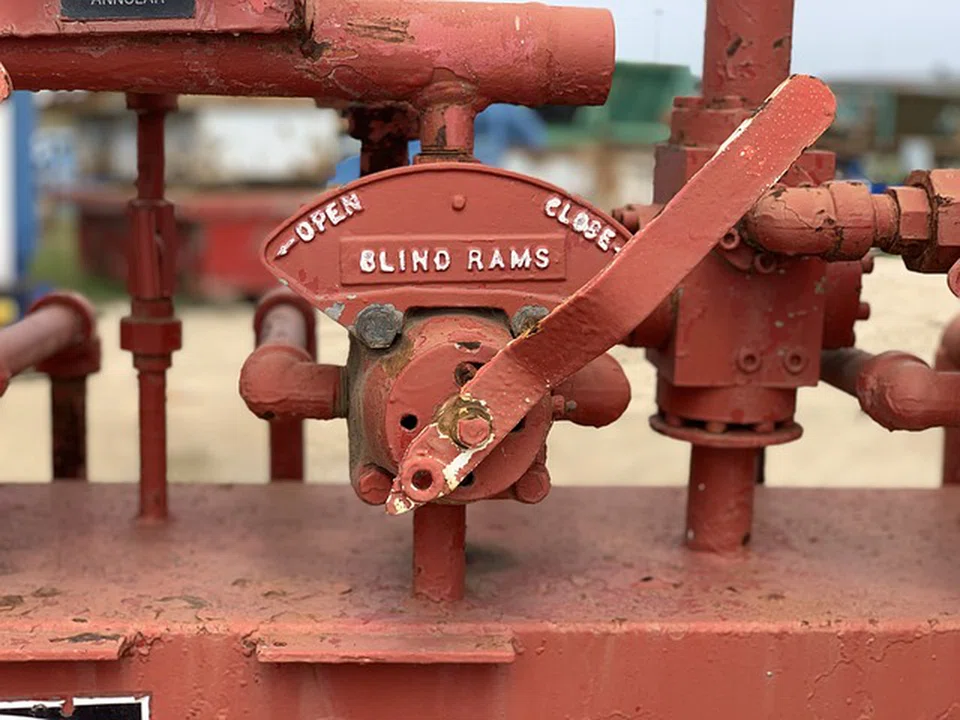
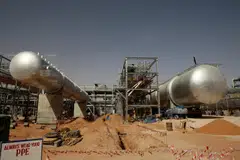
PRODUCTION at Libya’s Sharara oilfield restarted on Sunday (Jan 21), state oil company NOC said, after protesters ended a sit-in that had halted output since early January.
Sharara field is one of Libya’s largest, with a capacity of 300,000 barrels per day. But it has been a frequent target for local and broader political protests.
The oilfield had been closed since Jan 3, following the sit-in by protesters from the Fezzan region in the south of Libya.
The field is located in the Murzuq basin in the south-east of Libya. It is run by NOC via the Acacus company, with Spain’s Repsol France’s Total, Austria’s OMV and Norway’s Equinor.
A video, shared by a source familiar with the situation and protesters, known as the Fezzan Gathering, showed protesters at the oilfield announcing that they had ended their sit-in and that “the NOC chairman pledged to meet all the demands, with a guarantee from the army leader Khalifa Haftar in the east”.
Deputy Prime Minister Ramadan Abujnah told the Libya Al-Ahrar TV channel that the NOC chairman met with the protesters in the east and agreed with their demands. These included a decision by the prime minister of the government of national unity Abdulhamid Dbeibah to move Acacus to the south region.
Protesters said their demands also included implementation of the South Refinery project and an increase in the quota for diesel supplies to southern Libya from 1.5 million to 2.5 million litres a day.
The South refinery contract was signed in March.2023 between NOC’s subsidiary Zallaf and US-based Honeywell for engineering work. Zallaf said at the time that the project would be carried out in two phases but did not disclose a schedule for the work. It will likely cost between US$500 million and US$600 million, said Zallaf.
The South refinery will produce cooking gas, jet fuel and other products, including 1.4 million litres a day of petrol and 1.1 million litres a day of diesel, NOC said previously.
Libya’s oil output has been disrupted repeatedly amid political turmoil in the decade since the 2011 Nato-backed uprising that toppled Muammar Gaddafi.
Decoding Asia newsletter: your guide to navigating Asia in a new global order. Sign up here to get Decoding Asia newsletter. Delivered to your inbox. Free.
Share with us your feedback on BT's products and services