
Lithium prices drop 25% in boon for EVs, says Chinese miner
 Add BT as a preferred source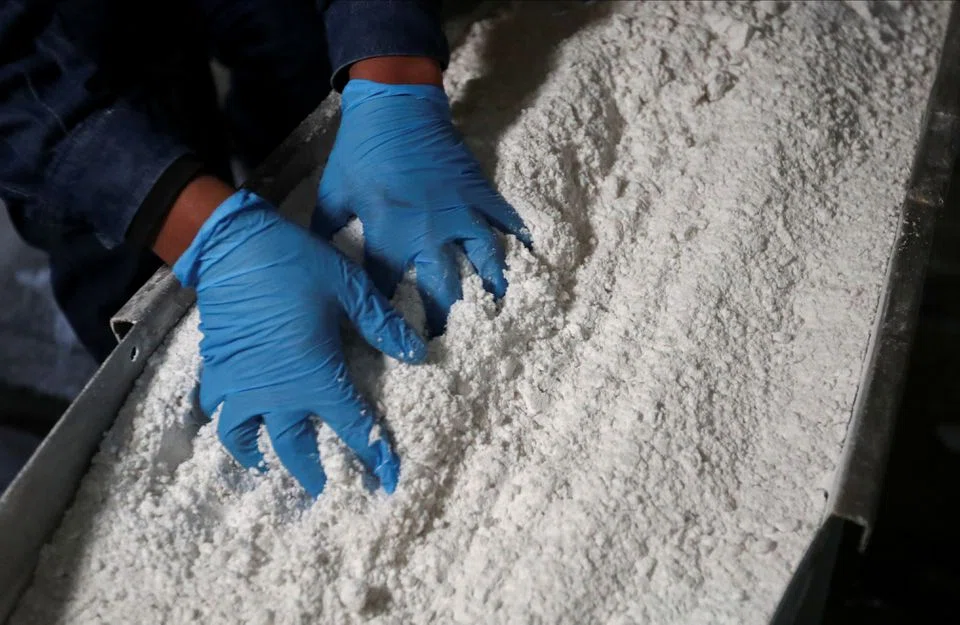
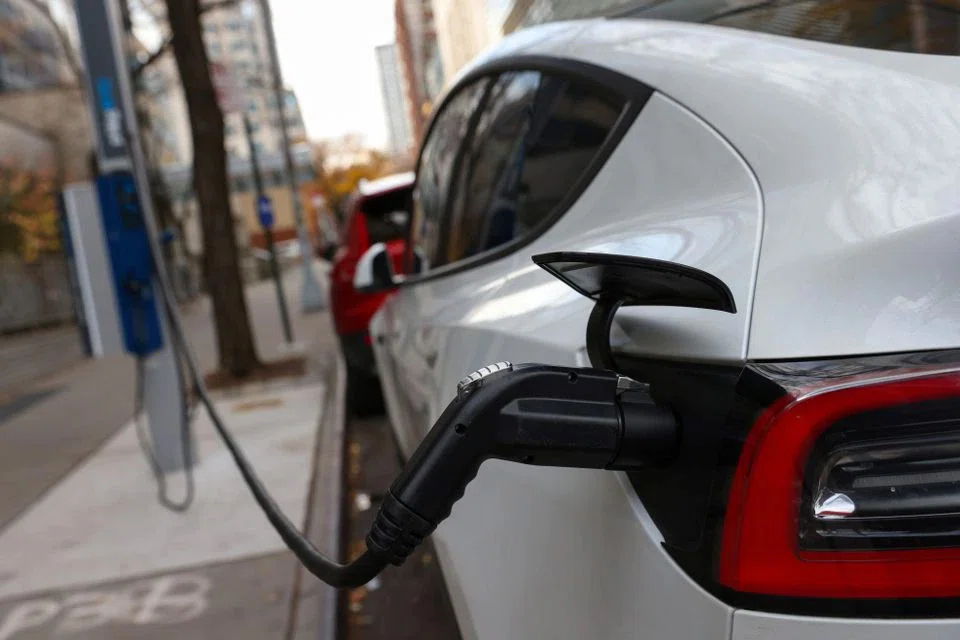
LITHIUM will be less expensive in 2023, said a Chinese supplier of the battery metal on Tuesday (Dec 27), potentially offering some relief to electric vehicle (EV) makers that have been squeezed by soaring costs.
After a spectacular two-year rally that was labelled as “insane” by Elon Musk and “unreasonable” by China’s BYD, lithium prices have begun to soften. Sinomine Resource Group chairman Wang Pingwei said the cool-off is poised to continue, as more supply emerges to trim the abnormally high margins of lithium producers.
“We believe the gradual, downward trend for lithium will continue next year,” he said. He predicted that while there would be a drop of around a quarter from current levels, this would still result in “good profits” for the company, which operates mines in Zimbabwe and Canada. He added that prices would not fall drastically, as the market remains tight.
Lithium’s relentless rise starting in 2020 hurt buyers, and contributed to the first annual increase in battery costs since BloombergNEF started tracking them almost a decade ago.
Even now, benchmark prices in China are still about twice as high as the start of 2022, despite declining this month. This comes as demand from the fast-expanding EV sector outstrips supply.
Prices of lithium carbonate reached a record of nearly 600,000 yuan (S$116,118) a tonne in mid-November, according to data from Asian Metal. They fell for a fifth day, to 522,500 yuan, on Thursday. Wang said he expected prices to drop further in 2023, to about 400,000 yuan.
Navigate Asia in
a new global order
Get the insights delivered to your inbox.
Wang’s comments echoed some other forecasts. BYD executive vice-president Stella Li said earlier this month that more mine supply would push the market into a surplus next year and help soften prices. China’s withdrawal of EV credits, as well as uncertainties over the pandemic and global economy, are also weighing on the outlook.
Alice Yu, an analyst at S&P Global Commodity Insights, said: “Over the next six months, demand softness is likely to dominate the lithium price discussions, as demand in China is challenged by zeroing subsidies and surging Covid-19 cases.”
“Consumers in the West face growing affordability issues,” she added.
Sinomine wants to expand output worldwide, just as geopolitical tensions are growing with the US, Canada and other nations that are moving to restrict China’s role in the EV supply chain.
“Our confidence to invest in more mines in North America is relatively low at present,” Wang said. Sinomine was one of three Chinese companies ordered by Ottawa to divest stakes in Canadian-listed firms, under tougher rules for foreign investment. It still owns the Tanco mine in Canada, as well as the Bikita lithium site in Zimbabwe.
Wang said the company is in talks for potential projects in South America, and will continue to look for opportunities in Africa, where developing mines is easier than other jurisdictions. He added that Central Asia is another prospect, including Afghanistan once the security situation improves there.
Sinomine’s current annual production capacity for battery-grade lithium hydroxide and lithium carbonate is 25,000 tons. Wang said it expects to increase that figure to 60,000 tons next year, and is targeting 100,000 tons in 2025. BLOOMBERG
Decoding Asia newsletter: your guide to navigating Asia in a new global order. Sign up here to get Decoding Asia newsletter. Delivered to your inbox. Free.
Share with us your feedback on BT's products and services

