
London’s restaurants are emptiest since Omicron due to strikes
 Add BT as a preferred source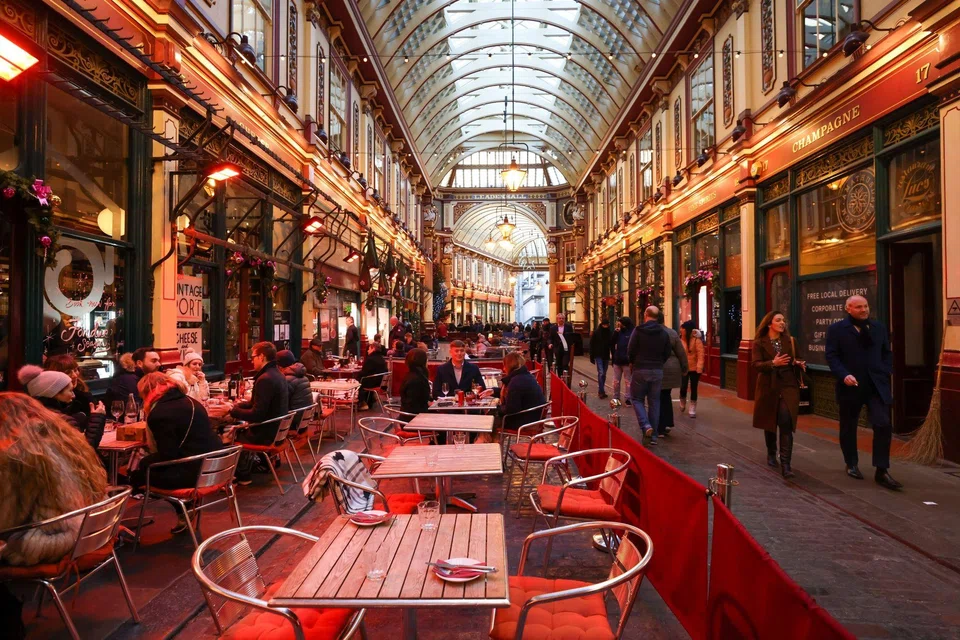
LONDON’S pubs and restaurants that survived Covid and the widespread adoption of work-from-home arrangements are now facing another threat – persistent train strikes.
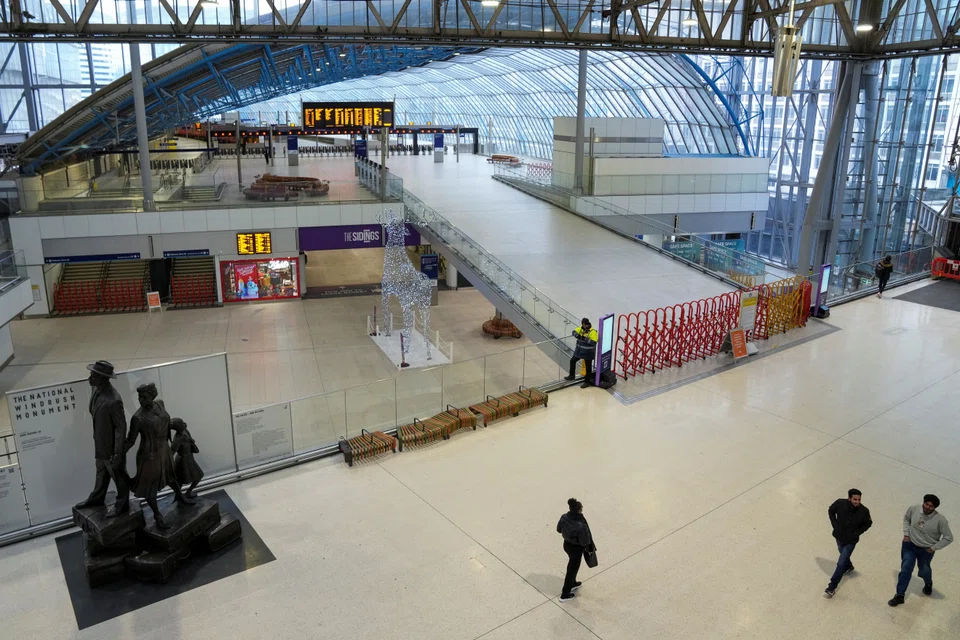
Restaurant seatings on the first day of rail strikes this week collapsed to levels not seen since the emergence of the Omicron variant of the coronavirus. At that time, face masks were mandatory on public transport and the government was telling people to avoid the office.
Bars and convenience food outlets in central areas are also suffering. Office occupancy in the capital has fallen to around 20 per cent, compared to more than 50 per cent at times last week before the strikes. Rail workers are demanding steeper raises in light of the UK’s double-digit inflation, and are resisting some post-Covid reforms to working practices.
“It’s creating havoc in everyone’s lives, and it’s terribly difficult to run a business,” Julian Metcalfe, founder and chief executive of Asian food chain Itsu, said. He added that trade in some branches was down 30 per cent.
Trade body UKHospitality has estimated that the strikes will cost the sector £1.5 billion (S$2.5 billion) in revenues across the country.
Phil Urban, chief executive of FTSE 250 business Mitchells & Butlers, which owns pubs and city-centre brands such as All Bar One, said that the strikes had “massively impacted” Christmas bookings – compounded by the freezing weather.
Navigate Asia in
a new global order
Get the insights delivered to your inbox.
Urban said that there were “definitely more no-shows” than last year, when the Omicron variant prompted customers to cancel bookings. Gas Station, a bar near King’s Cross, has had its takings plummet 70 per cent compared to last week. Harts Group, which owns restaurants and bars including Barrafina and Quo Vadis, has experienced a roughly 50 per cent drop in reservations, and about the same rate of cancellations of private events.
Employers are also having to pay for taxis to take staff home, said Rik Campbell, co-founder of Indian restaurant chain Kricket. “The strikes are costing the country billions, and we can’t afford it.”
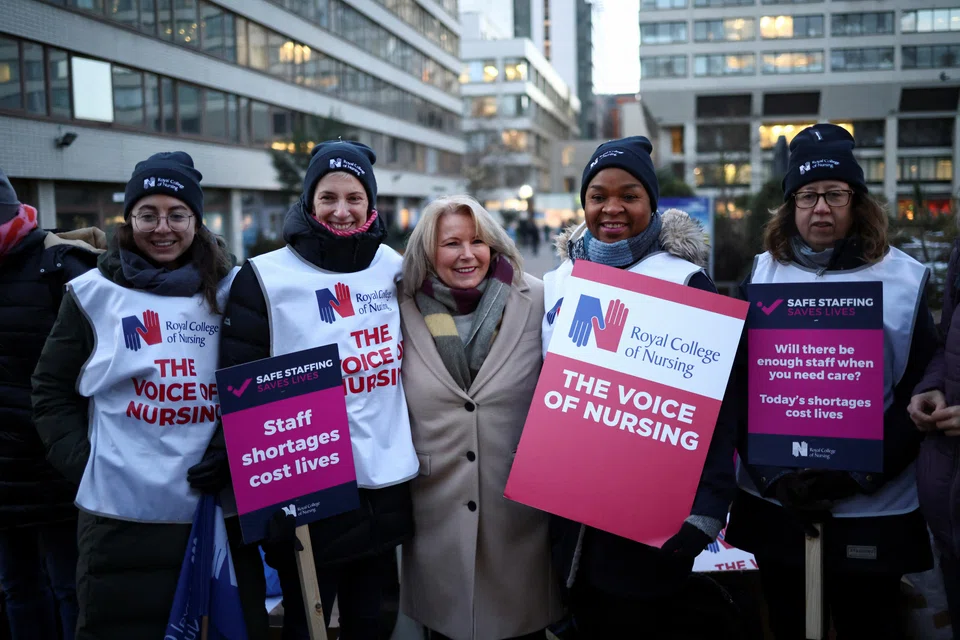
Strikes are sweeping Britain as workers in various sectors – including the healthcare, Royal Mail, civil service, and transport – rebel against real-terms pay cuts. The government insists that it cannot allow higher raises without the risk of embedding inflation and making the cost of living crisis even worse.
Metcalfe said he did not know how the situation could be resolved. “Obviously you can’t just pay up, otherwise the whole country will be on its knees by Easter, and there would be nothing left,” he said. “You have to be reasonable, but what is reasonable?” BLOOMBERG
Decoding Asia newsletter: your guide to navigating Asia in a new global order. Sign up here to get Decoding Asia newsletter. Delivered to your inbox. Free.
Share with us your feedback on BT's products and services

