
Macron and Le Pen both disappoint in French regional vote
 Add BT as a preferred source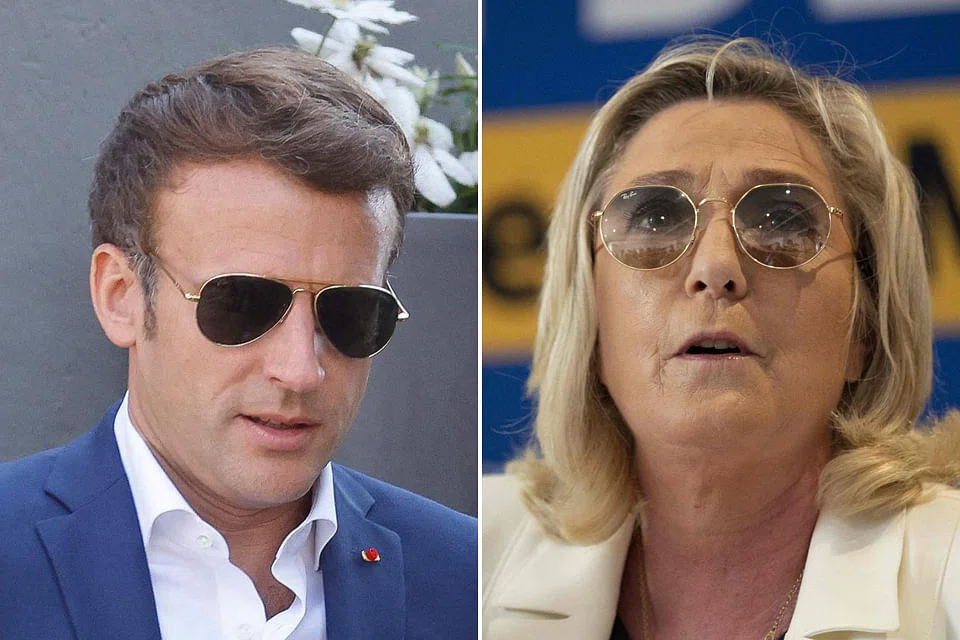
Paris
PRESIDENT Emmanuel Macron and far-right leader Marine Le Pen both fared worse than expected in the first round of the French regional election, in a disappointing twist for the two main contenders in the 2022 presidential race.
Record-low turnout is a major talking point in France, with Frederic Dabi, deputy-head of polling firm Ifop, telling Le Figaro newspaper that abstention may be morphing into a new form of protest - rather than voting for the far-right, people are deciding to stay at home instead.
The main winner was the traditional right, the Republicans, which averaged 28 per cent across the country, according to an Ifop poll.
Xavier Bertrand came first in Hauts-de-France with 41 per cent of votes, crushing a rival backed by Ms Le Pen.
In the Ile-de-France region that includes Paris, where Mr Macron's party had fielded a minister, Valerie Pecresse, led the race with 35 per cent of votes.
Navigate Asia in
a new global order
Get the insights delivered to your inbox.
Both Republican renegades but still close to their former party, Mr Bertrand and Ms Pecresse are potential presidential candidates.
Ms Le Pen's National Rally got about 19 per cent overall - almost 10 points behind her score in the last election - and Mr Macron's party, which ran in regional elections for the first time since its creation in 2016, took around 11 per cent, estimates show.
The left scored better than anticipated, with an estimated 34 per cent of the total national vote.
The result was fragmented, though, largely between socialists and greens.
The candidates who secure more than 10 per cent in the final results will qualify for a second round on June 27.
There's been a lot of focus on this election because it's the last nationwide race before the presidential ballot next April.
It may help the left as well as the Republicans decide on their candidate for that contest, and Ms Le Pen may yet win her first ever regional power base, which could help her convince voters that her party can be trusted in power. But generally, regional elections don't tend to offer a real picture as to how the battle for the country's top job will play out.
Mr Macron's party didn't make headway in several regions and is unlikely to win any on its own, in a sign that the movement has so far been unable to build a strong local base.
Interior minister Gerald Darmanin acknowledged in a TV interview that the outcome was a "failure" for the president's party while stressing that democracy means sometimes losing elections, "which is not a big deal".
For Ms Le Pen, her popular lieutenant Thierry Mariani remains her best hope of taking control of a region. He led the conservative incumbent Renaud Muselier by 36 per cent to 32 per cent in Provence-Alpes-Cote-d'Azur in the first round.
The area is spread around Marseille, the country's second-most populous city, and the French Riviera, where surveys had showed Ms Le Pen's party winning.
Ms Le Pen gave a gloomy speech on Sunday night in which she said her supporters shouldn't be discouraged, and called on them to turn out in greater numbers for the runoff. "Don't let the results of the first round influence you," she said.
Stanislas Guerini, the head of the president's movement, said that where Ms Le Pen is in with a chance of victory, Mr Macron's party will pull out of the second round if there's another group that has a better prospect of preventing a far-right victory.
"Next Sunday, go vote," Prime Minister Jean Castex posted on twitter Monday. BLOOMBERG
Decoding Asia newsletter: your guide to navigating Asia in a new global order. Sign up here to get Decoding Asia newsletter. Delivered to your inbox. Free.
Share with us your feedback on BT's products and services

