Maersk expects 2023 profits to plummet as volumes, freight rates fall
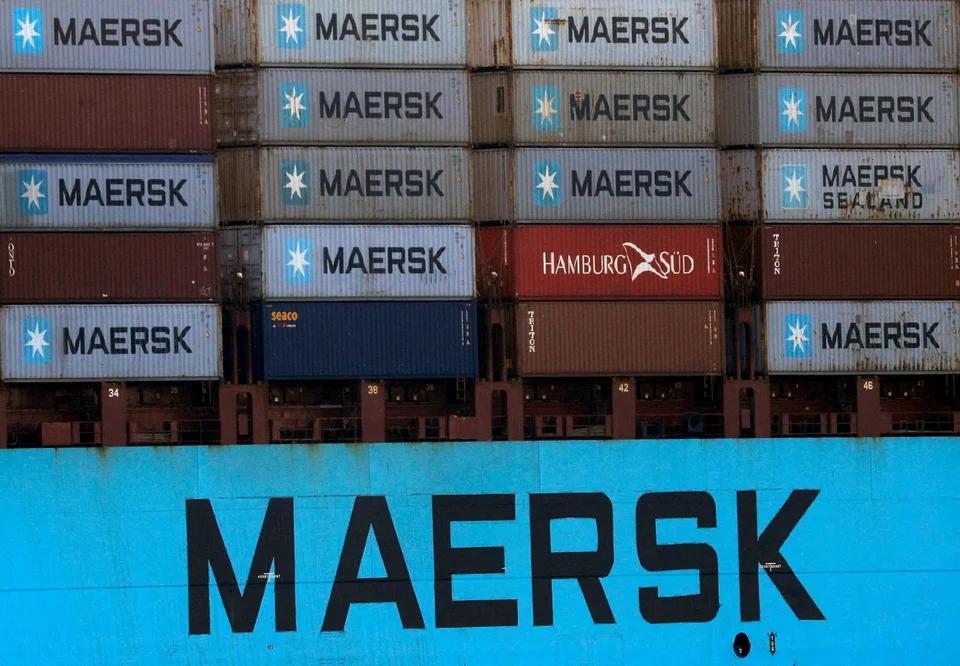
MAJOR shipping group AP Moller-Maersk on Wednesday (Feb 8) reported fourth-quarter earnings that were slightly below expectations, and forecast a 2023 core profit that would be significantly lower than last year’s as volumes and freight rates fall.
The company added that it expected earnings before interest, taxes, depreciation and amortisation (Ebitda) of between US$8 billion and US$11 billion this year, compared to US$36.8 billion the year before.
It said: “Guidance for 2023 is based on the expectation that inventory correction will be complete by the end of the first half (of the year), leading to a more balanced demand environment.” The shipping line is overhauling its supply chain, as chaos roils global trade.
Its underlying Ebitda stood at US$6.52 billion in the fourth quarter, compared with US$7.99 billion a year ago. The figure was also lower than an analyst forecast of US$6.95 billion.
Its revenues fell slightly to US$17.8 billion in the period, as the number of containers it loaded onto vessels fell by 14 per cent.
The company said that the increasing volatility in global supply chains meant that shipping lines must undergo radical restructuring to survive.
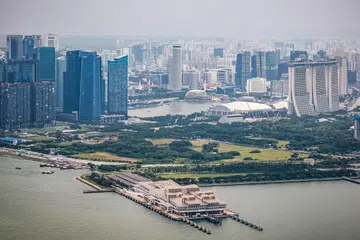
Speaking to reporters in Singapore on Monday, Ditlev Blicher, Maersk’s president of Asia-Pacific, said: “The way that supply chains have operated over the last number of decades is no longer fit for purpose. We believe this environment of increased volatility is here to stay, and it will likely accelerate.”
Global trade has been buffeted by major disruptions in recent years, as the Covid-19 pandemic and the war in Ukraine brought chaos to shipping routes. But even before the pandemic, it was obvious that supply chains needed to change, said Blicher.
He added that it was becoming more pressing to invest in smarter technology and logistics networks that do more than add shipping capacity. This is because shipping lines have not been able to overcome the bottlenecks arising from thousands of players acting in individual slices all across the supply chain, despite repeatedly trying to streamline their operations.
SEE ALSO
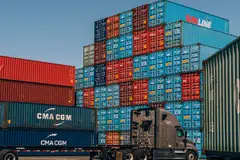
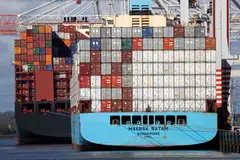

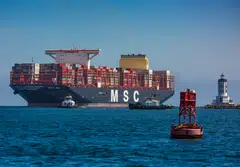
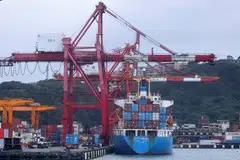
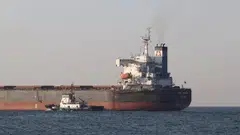
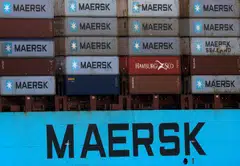
Maersk – which boasts the world’s second-biggest container fleet, based on numbers from online database Alphaliner – seeks to become an integrated logistics provider that connects land, sea and air. The company embarked on a strategy to expand its air-freight services last year.
Last month, Maersk and MSC Mediterranean Shipping agreed to discontinue their partnership, which allowed the two entities to share vessels on some of the most lucrative routes worldwide. Blicher said that the tie-up, which will end in 2025, was not the direction Maersk wanted to go.
While MSC has the world’s biggest fleet, it is still actively adding shipping capacity to remain in the top spot. Maersk, on the other hand, is cutting back, and wants to build a system that would allow it to better control cargo flows.
Containers typically face numerous delays while heading to their destinations during black-swan events, said Blicher, referring to difficult and unpredictable occurrences.
But a better strategy would be to have warehouses scattered across different ports, he added. That would allow Maersk to consolidate shipments originating from different parts of Asia at a convenient hub, providing more flexibility in sending them to where demand was greatest.
“We are building a structure where we can take a container from China, one from Vietnam, and another from Cambodia to a port like Singapore, and open them up,” said Blicher. “Then we put them together and the customer can send them where they are needed at that moment.”
To be sure, shipping lines made easy profits during the pandemic. Spot-container rates surged to a record high as shipyards ground to a halt, resulting in a scarcity of vessels to meet a spike in demand for e-commerce goods.
But now, shipping companies have been cancelling voyages to align their capacities with weaker global demand, as major economies struggle with inflation.
“It wasn’t hard over the last 12 months to make money – if you had something that could float and could carry your container, that was not hard,” Blicher said. “Now, skills matter.” BLOOMBERG
Decoding Asia newsletter: your guide to navigating Asia in a new global order. Sign up here to get Decoding Asia newsletter. Delivered to your inbox. Free.
Share with us your feedback on BT's products and services