Malaysia assets decline on Parliament dissolution, Asia selloff
 Add BT as a preferred source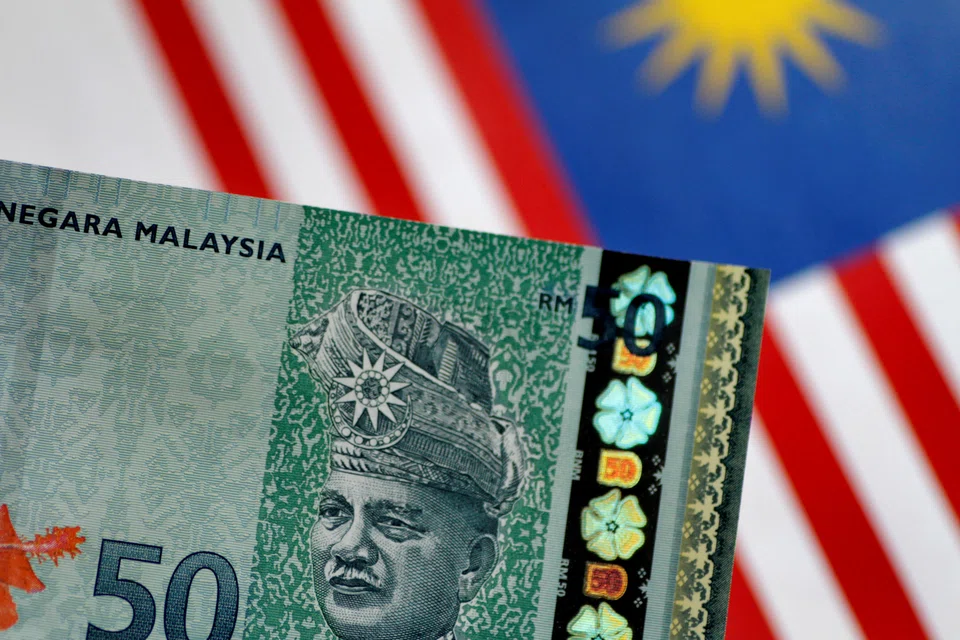
MALAYSIA’S stocks and the ringgit weakened after Prime Minister Ismail Sabri Yaakob announced the dissolution of Parliament on Monday (Oct 10), paving the way for polls this year, and as equities slumped in Asia.
The benchmark KLCI Index fell as much as 1.6 per cent as trading resumed after a holiday, while the ringgit slid 0.5 per cent versus the dollar, with both among the worst performers in South-east Asia. The 10-year yield rose 5 basis points to 4.46 per cent.
The dissolution comes three days after Ismail’s administration presented a budget for next year that cuts taxes while still narrowing the fiscal deficit through more targeted subsidies. The spending plan will have to be tabled again after elections are held, Finance Minister Zafrul Aziz told local media on Friday, citing the 1999 early polls as precedent.
While elections will be viewed positively by investors if it is able to restore political stability, the possibility of a hung Parliament and the subsequent inability to pass the budget remains a key risk, CGS-CIMB’s head of Malaysia research Ivy Ng wrote.
“We advise investors to stay defensive in view of election uncertainty and concerns over global recession,” she said.
Ng added that construction and property sectors could potentially benefit in the medium term, while other potential beneficiaries include regulated assets like telco and utilities from policy clarity.

The ringgit may face some weakness amid the uncertainty ahead of the elections, according to Qi Gao, FX strategist at Scotiabank in Singapore. The currency is the worst performer among major South-east Asian currencies after the baht.
“The ringgit will follow the broad market tone, and will be propped up if the incumbent prime minister wins the elections,” he added.
The 2023 budget contains something for almost everyone and should bode well for consumption and corporate earnings, Citigroup analysts including Megat Fais wrote in a note. BLOOMBERG
Decoding Asia newsletter: your guide to navigating Asia in a new global order. Sign up here to get Decoding Asia newsletter. Delivered to your inbox. Free.
Share with us your feedback on BT's products and services