

Malaysia eyes Huawei chips for AI project despite US warning
Huawei is seeking a foothold in global data centre markets from South-east Asia to the Middle East
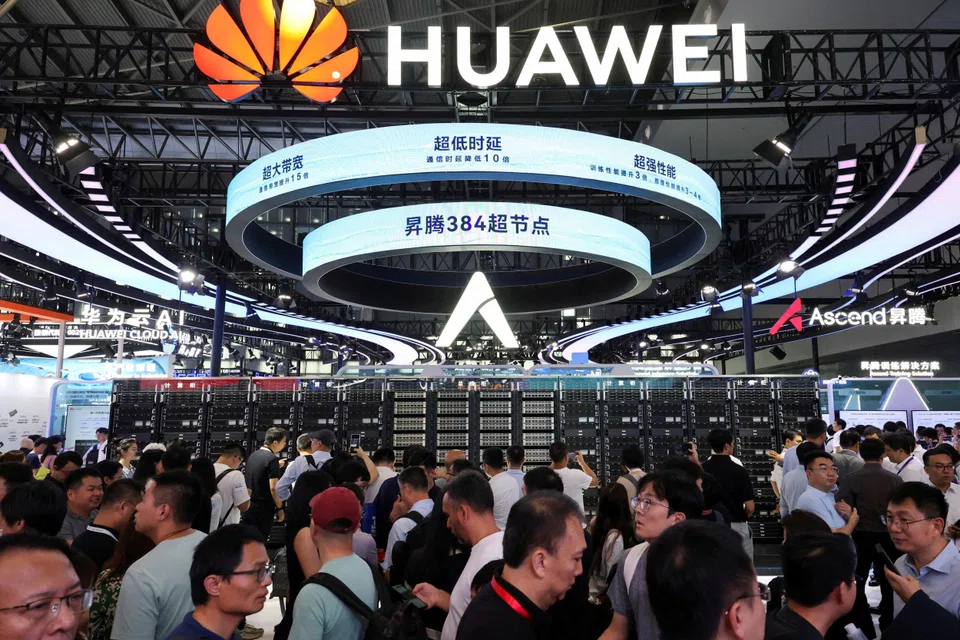
[KUALA LUMPUR] Malaysia is leaning toward relying on Huawei Technologies’ artificial intelligence chips to power its sovereign AI efforts, in what would be a major victory for Chinese AI technology in the face of strong opposition from President Donald Trump’s administration.
The South-east Asian nation is seriously evaluating using Huawei’s AI hardware as the backbone of a RM2 billion (US$494 million) initiative intended to give the country greater control over national data, according to people familiar with the matter. It’s unclear how many chips Malaysia would buy, the people said, asking not to be identified because they’re not authorised to speak publicly.
Huawei has been working to improve the performance of its AI chips in the face of years of US restrictions on access to foreign production tools. Its accelerators still trail Nvidia Corp’s by a wide margin, but as Huawei’s manufacturing outlook improves, the Shenzhen-based company is seeking a foothold in global data centre markets from South-east Asia to the Middle East.
Malaysian Prime Minister Anwar Ibrahim, meanwhile, has said the South-east Asian nation doesn’t want to just be a consumer of technology developed overseas. In addition to the physical infrastructure that could come from Huawei, Anwar’s administration is encouraging local telecom companies to propose broader AI frameworks in partnership with foreign firms.
If Malaysia does move forward with Huawei chips, it would mark the first known instance of a foreign government officially opting for Chinese AI accelerators over American ones. Anwar would effectively be defying Washington’s efforts to assert control over global AI infrastructure, despite warnings from Trump officials last year not to buy the exact Huawei hardware in question. Huawei is also vying to build an AI data centre for the Egyptian government, prompting Trump’s team to work on a counterbid.
The Prime Minister’s Office, which also helms the national security council, didn’t respond to a request for comment, nor did Malaysia’s Ministry of Digital. Representatives from Huawei also didn’t respond to a request for comment. The Malaysian government regards any decision it makes in this matter as purely commercial, according to one person familiar with conversations in Anwar’s administration.

The chips Malaysia is evaluating are Huawei’s marquee Ascend 910C product, the people familiar said, rather than the more advanced Ascend 950 lineup, which remains in limited production. Trump’s team explicitly warned the world last year that use of Ascend 910C chips could violate US export regulations. Washington broadly has been trying to encourage the use of American AI hardware worldwide so that China doesn’t dominate AI data centres like it did telecommunications. BLOOMBERG
Decoding Asia newsletter: your guide to navigating Asia in a new global order. Sign up here to get Decoding Asia newsletter. Delivered to your inbox. Free.
Share with us your feedback on BT's products and services
TRENDING NOW

Britain’s mansion tax shows the difficulty of targeting wealth

Once staunchly pro-China, Malaysian Chinese businesses are now distancing themselves from Beijing

The only common thing in S-E Asia is that we all eat rice: Cisco’s Asean president
Singapore data centre operator DayOne opts for US IPO at likely US$20 billion valuation

