Malaysia palm growers to lose RM20b on labour shortage
 Add BT as a preferred source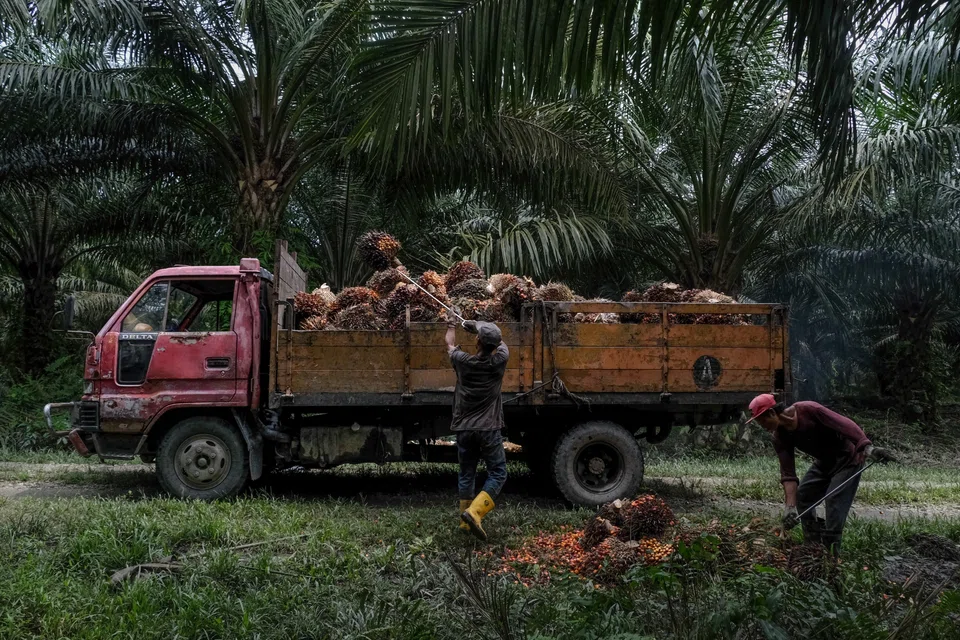
DeeperDive is a beta AI feature. Refer to full articles for the facts.
A CHRONIC shortage of plantation workers in Malaysia may cost palm oil producers about RM20 billion (S$6.2 billion) this year, says the Malaysian Palm Oil Association (MPOA).
The tight labour situation could curb supply and boost global palm oil prices. After Indonesia, Malaysia is the biggest producer of the tropical oil, which is used in products from food and cosmetics to biofuels.
An MPOA survey of the top 10 planters showed that palm growers hired around 14,000 foreign workers this year through November. This was just a fifth of the industry’s needs, and about half of the number approved by the authorities.
Malaysia’s palm oil sector is reliant on overseas labour. It struggled to bring in more workers even after movement curbs during the pandemic were relaxed. While the government had assured the industry that it would accelerate worker approval, planters said slow progress had led to crop losses.
Without enough boots on the ground, many farmers have had to leave ripened fruit rotting on trees.
Joseph Tek, chief executive of the MPOA, said the number of foreign workers coming into Malaysia was “trifling” compared to the amount needed. He added that while there had been efforts by various agencies to facilitate worker arrivals, bottlenecks still persisted.

Navigate Asia in
a new global order
Get the insights delivered to your inbox.
The MPOA, which represents estates accounting for 40 per cent of the country’s planted palm area, estimated in September that Malaysian output of palm oil would drop for a third year, to 18 million tons in 2022.
Concerns over weaker production may support prices. Palm oil jumped earlier in the year following Russia’s invasion of Ukraine, but then declined as supply improved and Indonesia ramped up exports. Prices have turned upward again, however, rising about 20 per cent since late September.
Tek said the palm oil sector was seeking help from Malaysia’s new government to expedite bringing in more plantation workers. He added that the authorities were taking steps, like chartering planes and renewing agreements with governments in source countries, to bring in more workers. BLOOMBERG
Decoding Asia newsletter: your guide to navigating Asia in a new global order. Sign up here to get Decoding Asia newsletter. Delivered to your inbox. Free.
Share with us your feedback on BT's products and services