

Malaysia plans more subsidy cuts despite 1MDB scandal
Kuala Lumpur
MALAYSIA plans to cut more subsidies and move billions of dollars in government employee housing loans off its balance sheets to bolster its fiscal position, even as a growing scandal threatens Prime Minister Najib Razak's ability to implement potentially unpopular policies.
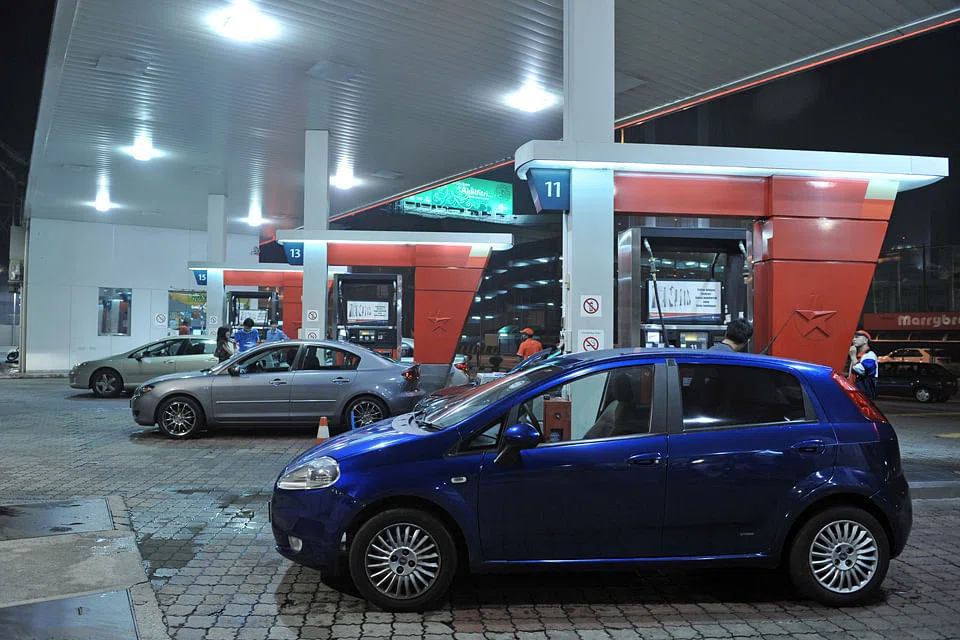
The government will gradually remove subsidies from petrol, liquefied petroleum gas and cooking oil in coming years, Mohd Irwan Serigar Abdullah, secretary general of Treasury, said in an interview late on Monday. A Fitch Ratings decision to pull back from downgrading Malaysia is giving the country space to reinforce its fiscal credentials, he said.
"This would help us to further strengthen and continue our effort despite all these noises, which I consider temporary," Mr Mohd Irwan said at his finance ministry office in Putrajaya, the administrative capital outside Kuala Lumpur, referring to the Fitch decision. "We are very committed in our fiscal consolidation."
Malaysia has seen its efforts to improve the budget overshadowed by a debt pile-up at state investment firm 1Malaysia Development Bhd and corruption allegations embroiling the prime minister. While Mr Mohd Irwan reiterated the government's assertion that 1MDB is sound and has enough assets to pay off its debt, scrutiny has increased over how much liability the government may have beyond its official borrowings.
"The government should press ahead with fiscal reforms and subsidy cuts, despite the political distractions," said Chua Hak Bin, an economist at Bank of America Merrill Lynch in Singapore.
Malaysia scaled back subsidies for petrol and diesel last year after falling oil prices provided Mr Najib the opportunity to wean the country off a decades-old policy of cheap fuel. He has also removed subsidies on sugar.
"We cannot afford to be in subsidy mode forever," Mr Mohd Irwan said.
"We are at a point where there are too many subsidies and the government budgetary system can't afford to carry such a burden."
Malaysia started a goods and services tax of 6 per cent in April, a move Mr Mohd Irwan said has helped counter a decline in government revenue following the plunge in crude oil prices. Collections from the new tax so far have exceeded the government's estimate, he said, without giving details.
Malaysia is incurring additional contingent liabilities beyond explicit guarantees, Fitch said June 30, even as it maintained the country's credit rating at the fourth-lowest investment grade of A- and upgraded the outlook to stable from negative.
The Fitch decision came after the government outlined its plans for fiscal consolidation and sustaining the current- account surplus, assuring the company Malaysia will avoid a twin deficit situation, Mr Mohd Irwan said.
The government is creating a statutory body to take over the housing loans it currently manages for civil servants, he said. That will move about RM40 billion (S$14.17 billion) into off-balance-sheet liabilities and reduce the government's debt-to-gross domestic product ratio, he said.
"In the last five years, debt-to-GDP has risen so much in Malaysia that the entire space for running counter-cyclical fiscal policy has basically disappeared," said Rahul Bajoria, a Singapore-based regional economist at Barclays plc. "Taking that debt off the books will actually help them in regaining some more space on the fiscal side." BLOOMBERG






