Malaysia says its tankers will be exempt from Iran’s Hormuz toll
Malaysia has long had a pragmatic policy toward Iran
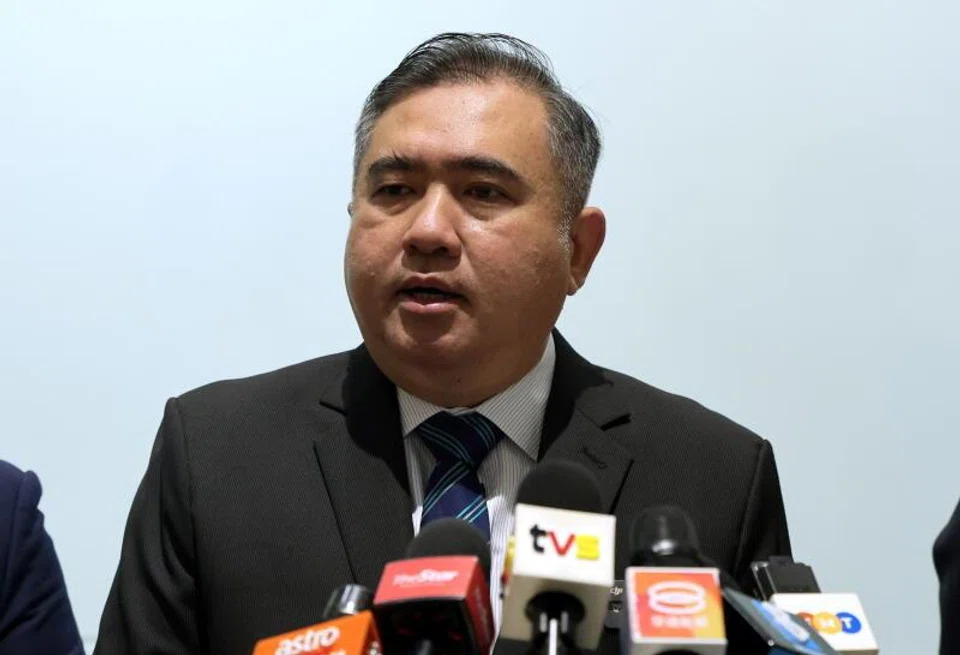
[KUALA LUMPUR] Malaysian tankers allowed to sail through the Strait of Hormuz won’t be subject to a toll imposed by Iran, according to Transport Minister Anthony Loke.
“The Iranian ambassador has mentioned that no toll is being imposed on Malaysian vessels,” Loke said at an event on Tuesday (Mar 31). “We are a friendly party, we have good diplomatic relationship with the Iranian government.”
On Saturday, Malaysia’s foreign affairs minister said Iran has cleared seven Malaysian tankers to traverse the Strait of Hormuz, which has become a flashpoint of the war in the Middle East. The vessels, which are currently stranded in the vital waterway, include those owned by Malaysian energy giant Petroliam Nasional, shipping firm MISC and Sapura Energy.
Iran has now passed a law introducing a toll and banning US and Israeli vessels from transiting the strait. The Bill formalises a system which multiple shipowners have already been reporting, as tankers are asked – through intermediaries – for detailed cargo and crew lists, and, in some cases, for payment.
Malaysia has long had a pragmatic policy toward Iran. Prime Minister Anwar Ibrahim has recognised Teheran’s right to protect its sovereignty while also urging a rapid resolution to the conflict. Anwar, in a televised address on Thursday, thanked Iran’s president for facilitating early passage for the vessels. BLOOMBERG
Decoding Asia newsletter: your guide to navigating Asia in a new global order. Sign up here to get Decoding Asia newsletter. Delivered to your inbox. Free.
Share with us your feedback on BT's products and services