

Malaysia to seek legal action, compensation in row with Norway over scrapped defence deal
Norway has decided to revoke export approvals for a naval strike missile system intended for six combat ships
[KUALA LUMPUR] Malaysia’s defence minister said on Thursday (May 14) that the country planned to claim compensation, and was considering legal action in an escalating diplomatic row.
The dispute stems from Norway’s decision to revoke export approvals for a naval strike missile (NSM) system intended for Malaysian combat ships.
Defence Minister Mohamed Khaled Nordin said that the government had already paid nearly 95 per cent of the contract value when Norway pulled the approvals in March, just days before the missile systems were due to be delivered.
The defence arm of Norwegian group Kongsberg said that in 2018, it had agreed to a 124 million euro (S$184.8 million) contract with the Royal Malaysian Navy to supply NSM missiles for six littoral combat ships (LCS).
Mohamed Khaled said on Thursday that there was a second deal to supply the system to two other naval vessels.
“We are doing the computation right now – we would not only claim the amount that we have paid, but also the damages arising from the breach of contract,” he told reporters, based on a recording of his remarks provided by the ministry to Reuters.
The Norwegian Foreign Affairs Ministry did not immediately respond to requests for comment on Thursday.
It said last week that it had decided to revoke certain export licences related to specific technologies that were now subject to stricter controls.
Kongsberg said that the licensing decisions were handled wholly by the Norwegian authorities, and that it had complied with all applicable regulations.



Malaysia says regional security at risk
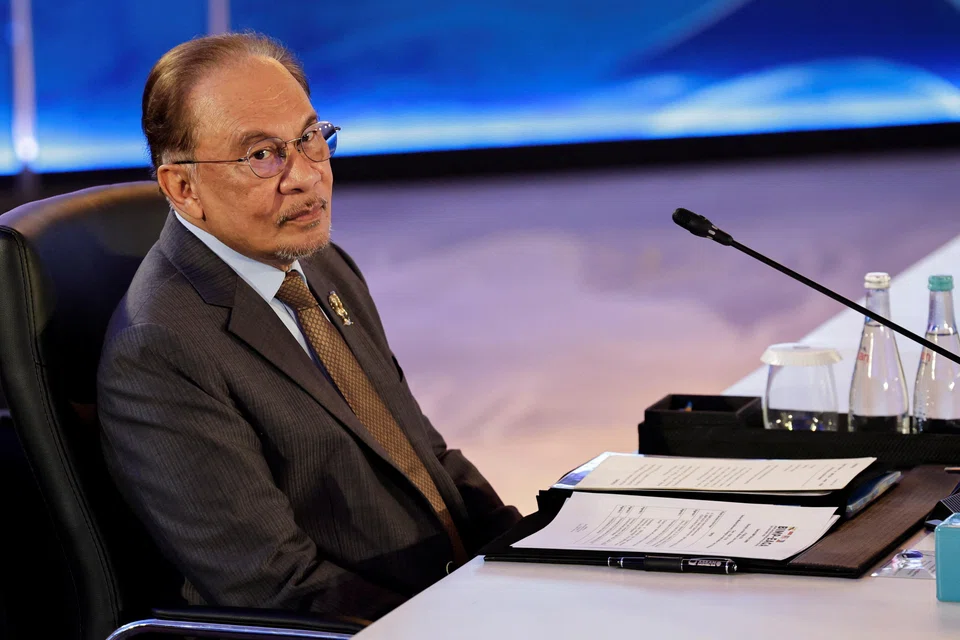
Norway’s decision to cancel the approvals caught Kuala Lumpur by surprise, with Prime Minister Anwar Ibrahim saying it was “unilateral and unacceptable”.
He conveyed his government’s objection in a phone call with Norwegian Prime Minister Jonas Gahr Stoere, based on a statement posted on social media on Thursday.
The decision would have grave consequences for Malaysia’s defence operational readiness and “undoubtedly carry broader ramifications for the regional balance”, he added.
“Signed contracts are solemn instruments. They are not confetti to be scattered in so capricious a manner,” Anwar noted.
“If European defence suppliers reserve the right to renege with impunity, their value as strategic partners flies out the window.”
Malaysia’s LCS project, launched in 2011, was supposed to supply the navy with five of six planned vessels by 2022 at an initial cost of RM6 billion (S$1.9 billion), but the local shipbuilder tasked with building the ships failed to deliver them.
Amid allegations of mismanagement and corruption, the government relaunched the project in 2023 following an official investigation.
The delivery of the first vessel, originally scheduled for August this year, has been delayed until December due to late equipment deliveries from manufacturers and ongoing rework issues.
Minister Mohamed Khaled said that the LCS programme would continue as planned but without a missile system installed.
Malaysia was also evaluating several alternatives to the NSM system, but the process was complicated as any replacement would have to be compatible with the ships’ existing equipment, he added. REUTERS
Decoding Asia newsletter: your guide to navigating Asia in a new global order. Sign up here to get Decoding Asia newsletter. Delivered to your inbox. Free.
Share with us your feedback on BT's products and services
TRENDING NOW

DBS, OCBC, UOB rout lops billions off STI as inflation, rate concerns spook investors

Grab CEO’s wife Chloe Tong on life with Anthony Tan and finding her purpose

OCBC sheds S$8 billion in value as shares close nearly 6% down; analysts cautious on banks

Deal between tycoon friends sparks scrutiny of Philippine power sector

