

Malaysia to impose tighter MCO enforcement as daily Covid-19 cases remain above 6,000
 Add BT as a preferred source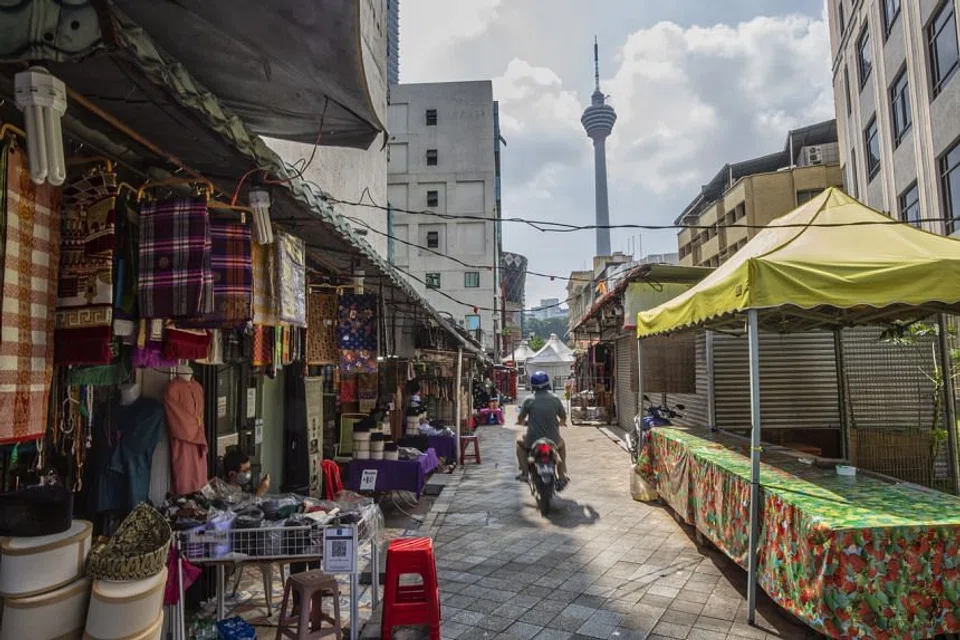
Kuala Lumpur
MALAYSIA announced on Friday night that it will tighten the enforcement of the ongoing movement curbs, including adding restrictions to parts of the economic and social sectors.
The Prime Minister's Office said in a statement that details on the additional restrictions will be announced by Senior Minister (Defence Cluster) Ismail Sabri Yaakob at a news conference on Saturday.
The announcement followed a meeting of the National Security Council, an agency led by Prime Minister Muhyiddin Yassin, which decides on the country's Covid-19 protocols.
Malaysia logged a record 6,806 daily cases on Thursday and 59 people died on the same day, also a record. On Friday, there were 6,493 new infections and another 50 fatalities.
Malaysia is into its second of a four-week national lockdown called the movement control order (MCO). But most factories are allowed to remain open and many office workers can go to work.
Navigate Asia in
a new global order
Get the insights delivered to your inbox.
Malls have remained open, and while no dine-ins are allowed, takeaway and online delivery are allowed.
There were also targeted lockdowns, called enhanced MCO, for two weeks in several localities in Perak, Kelantan, Pahang, Sabah and Sarawak states, and in areas in Kuala Lumpur federal territory, hit by rising Covid-19 cases. THE STRAITS TIMES
Decoding Asia newsletter: your guide to navigating Asia in a new global order. Sign up here to get Decoding Asia newsletter. Delivered to your inbox. Free.
Share with us your feedback on BT's products and services
TRENDING NOW

Gojek founder Nadiem Makarim faces 18-year jail demand in Indonesia laptop graft trial
On the board but frozen out: The Taib family feud tearing Sarawak construction giant apart

Singapore developer in limbo after Timor-Leste scraps major township project
Not retirement, but a rewiring and fresh perspectives post-DBS, says Piyush Gupta

