
Malaysia’s inflation risks dim on muted fuel subsidy cut impact
Analysts expect the RON95 subsidy cuts will likely happen in the second half of 2025
 Add BT as a preferred source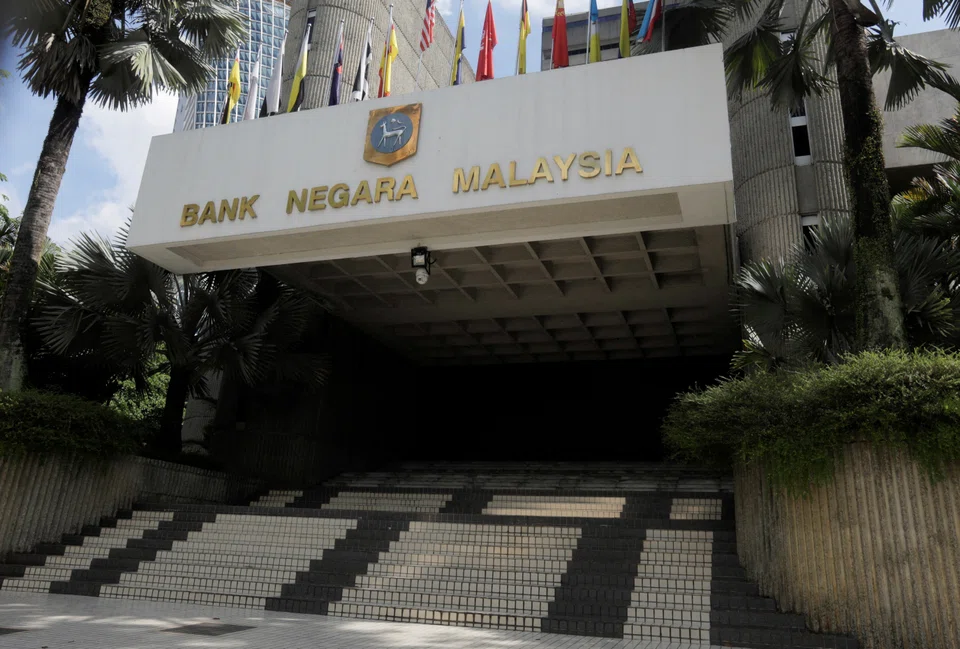
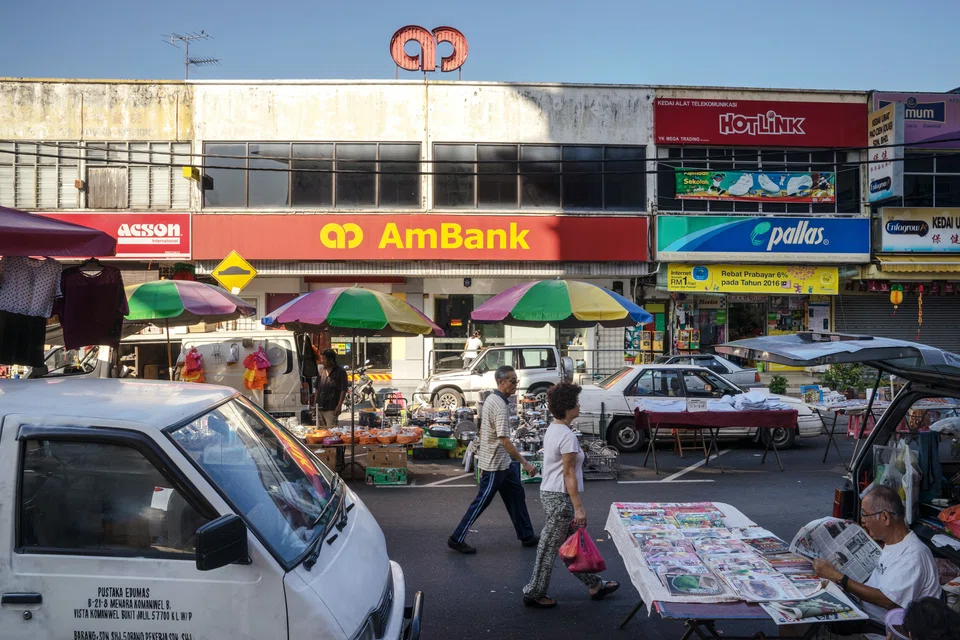
RISKS to Malaysia’s inflation are waning after June consumer prices undershot estimates and as expectations grow that Prime Minister Anwar Ibrahim will delay a politically sensitive move to cut subsidies for the country’s most widely-used gasoline.
Analysts at United Overseas Bank and Kenanga Investment Bank have lowered their 2024 average inflation forecasts to 2 per cent and 2.2 per cent respectively.
Maybank Investment Bank and Public Investment Bank said their projections were subject to downside risks. This was after a 56 per cent hike in diesel prices last month had muted impact on consumer prices.
“Given the manageable inflation outlook and solid domestic growth prospects, Bank Negara Malaysia is likely to maintain status quo and keep the overnight policy rate unchanged at 3 per cent for at least the next 12 months,” analysts at Kenanga including Wan Suhaimie Wan Mohd Saidie and Nurul Hanees Hairulkama wrote in a note on Thursday (Jul 25).
Malaysia allowed diesel prices to float in June after replacing blanket subsidies with targeted assistance, and aims to do the same with RON95, the county’s cheapest and most popular petrol, to strengthen its fiscal position. The RON95 subsidy cuts will likely happen in the second half of 2025, analysts at Kenanga said, joining their peers in Citigroup RHB Investment Bank and MIDF Amanah Investment Bank in expecting delays.
Economy Minister Rafizi Ramli had initially vowed to unwind RON95 subsidies this year to meet the government’s target of narrowing the budget deficit to 4.3 per cent of gross domestic product. But pulling blanket diesel assistance in June cost the ruling party a by-election, prompting Anwar to remain non-committal on the timing of the phaseout of RON95 subsidies, which is expected to have a bigger impact on inflation.
Navigate Asia in
a new global order
Get the insights delivered to your inbox.
To be sure, pushing the RON95 subsidy reforms to next year would only postpone inflation risks. Price pressures may accelerate to around 3.8 per cent in 2025 from the move, as well as a planned pay bump for civil servants this December, the Kenanga analysts said. BLOOMBERG
Decoding Asia newsletter: your guide to navigating Asia in a new global order. Sign up here to get Decoding Asia newsletter. Delivered to your inbox. Free.
Share with us your feedback on BT's products and services

