

Malaysia's Mahathir seeks court order to freeze PM's assets
 Add BT as a preferred source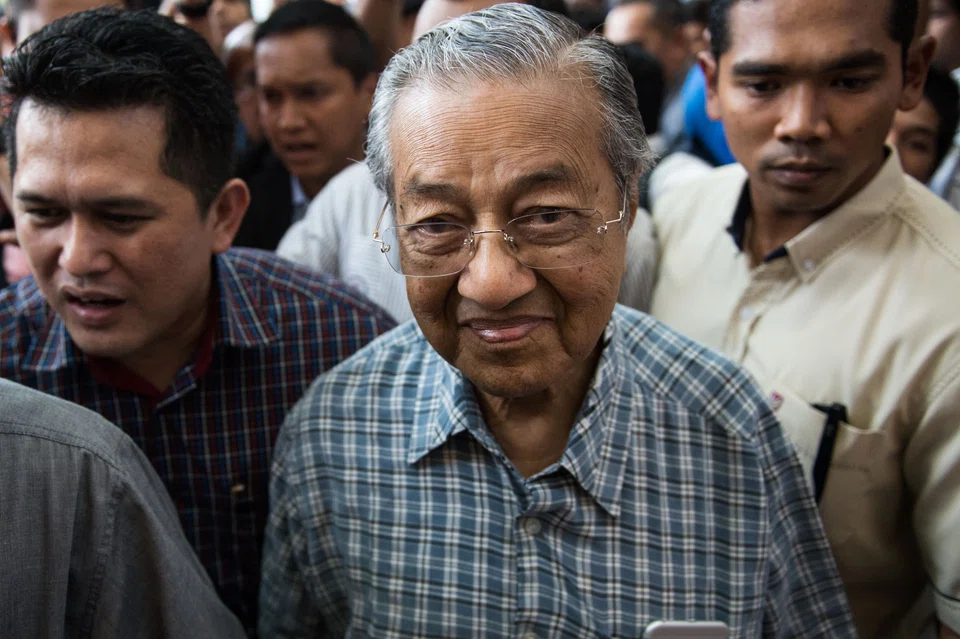
DeeperDive is a beta AI feature. Refer to full articles for the facts.
[KUALA LUMPUR] Former Malaysian premier Mahathir Mohamad, calling for Prime Minister Najib Razak to resign over the 1MDB state fund scandal, has applied for a court order to freeze Mr Najib's assets, Mr Mahathir's lawyers said on Tuesday.
The lawyers said in a statement Mr Mahathir was also seeking a court order for Mr Najib to disclose all assets held under his name as well as under the names of his nominees.
Mr Mahathir, along with two others, filed a suit in March against Mr Najib alleging corruption and abuse of power. The lawsuit also accused Mr Najib of interfering in several probes into debt-laden 1Malaysia Development Berhad (1MDB).
Mr Najib has come under criticism over allegations of graft and mismanagement linked to 1MDB and deposits of about US$681 million into his personal bank account.
He has denied any wrongdoing and maintains that he did not use the funds for personal gain. In January, Malaysia's attorney-general cleared Mr Najib of any criminal offence.
Mr Mahathir was joined in the lawsuit by Khairuddin bin Abu Hassan and Anina binti Saadudin, former members of the ruling United Malay National Organisation (UMNO) party which Mr Najib heads.
Navigate Asia in
a new global order
Get the insights delivered to your inbox.
The three, citing misfeasance and breach of duty, are seeking exemplary damages from Mr Najib to the government of 2.6 billion ringgit (S$900.3 million) and aggravated damages of 42 million ringgit - equal to the amounts that were deposited into Mr Najib's account.
REUTERS
Share with us your feedback on BT's products and services
TRENDING NOW

Shelving S$5 billion office redevelopment plan proved ‘wise’ as geopolitical risks mount: OCBC chairman

Eurokars Group introduces rental car franchises Enterprise Rent-A-Car, National Car Rental, and Alamo to Singapore
20 photos that show how dramatically Singapore has changed in two decades
Singapore’s key exports up 15.3% in March from electronics surge, exceeding forecasts

