



Mexico approves up to 50% tariffs on China, other Asian nations
The new levies will take effect starting next year
 Add BT as a preferred source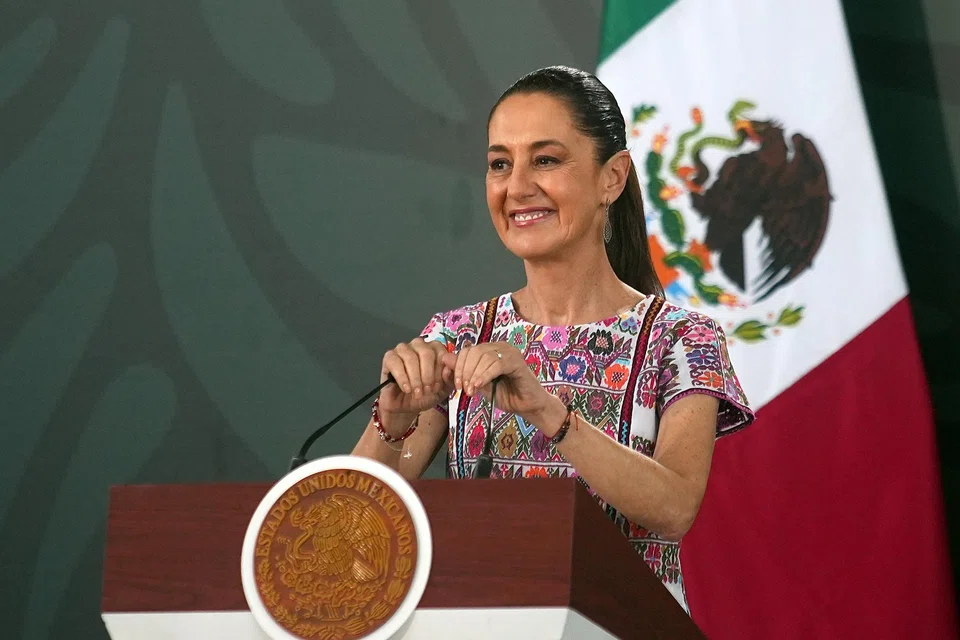
DeeperDive is a beta AI feature. Refer to full articles for the facts.
MEXICAN lawmakers gave final approval for new tariffs on Asian imports, broadly aligning with US efforts to tighten trade barriers against China, as President Claudia Sheinbaum seeks to protect local industry.
Mexico’s Senate on Wednesday (Dec 10) voted in favour of the bill that imposes tariffs of between 5 and 50 per cent on more than 1,400 products from Asian nations that don’t have a trade deal with Mexico. The bill passed with 76 votes in favour, five against and 35 abstentions.
The new levies will take effect starting next year and hit a wide range of products from clothing to metals and auto parts, with the massive output of Chinese factories emerging as the legislation’s focus.
Passage of the bill took place against the backdrop of Sheinbaum’s high-stakes trade talks with US President Donald Trump and pressure to match his priorities, fuelling hopes Mexico’s levies on Chinese goods could ease punishing US tariffs on goods such as Mexican steel and aluminium.
While Sheinbaum has publicly denied any connection to Trump’s own tariff onslaught against the Asian giant, the new import levies resemble the US leader’s approach.
For decades, Mexico has embraced free trade more than nearly any other country in the Americas, inking dozens of trade deals with nations all across the globe. But Sheinbaum’s leftist Morena party is now moving in a different direction.
Navigate Asia in
a new global order
Get the insights delivered to your inbox.
Mexico’s finance ministry estimates the new tariffs will raise nearly 52 billion pesos (S$1.1 billion) in extra revenue next year.
Sheinbaum sent the proposal to Congress in early September, but lobbying from Asian governments and domestic opponents, from business lobbies and critical legislators, delayed its passage.
Manufacturers reliant on inputs made in China, India and South Korea, among others, warned of rising costs that could fan inflation. Some lawmakers, including from the ruling party, sought to avoid a dispute with a rising region many consider crucial to the diversification of Mexican export markets.
SEE ALSO


Sheinbaum’s embrace of the tariffs track with US concerns regarding the so-called transhipment of Chinese exports through other countries, and follow action by Canada last year to also emulate US levies on electric cars, steel and aluminium from China.
Chinese officials have sharply criticised the latest Mexican tariffs as unwarranted and harmful.
According to the tariff legislation, Chinese cars will face among the steepest tariffs at 50 per cent. The country’s massive auto sector currently holds 20 per cent of the Mexican market, up dramatically from minimal vehicle imports just six years ago.
Mexican officials and local auto associations backed the import levies in a bid to protect national vehicle production, a major driver of Mexico’s manufacturing sector.
Along with the new tariffs, lawmakers approved a measure that will empower Mexico’s Economy Ministry, responsible for trade policy, to adjust the import levies as it sees fit.
The measure states that the ministry “may implement specific legal mechanisms and instruments for the importation of goods from countries with which the Mexican state does not have a free trade agreement in force”. The provision cites the flexible mechanism’s goal of ensuring supplies of key imports under competitive conditions.
The policy could provide Mexican officials with useful tools ahead of next year’s review of the North American USMCA trade pact with US and Canadian negotiators. BLOOMBERG
Decoding Asia newsletter: your guide to navigating Asia in a new global order. Sign up here to get Decoding Asia newsletter. Delivered to your inbox. Free.
Share with us your feedback on BT's products and services
TRENDING NOW

Air India asks Tata, Singapore Airlines for funds after US$2.4 billion loss

‘Boring’ is the new black: The stars are aligning for a Singapore stock market revival

From 1MDB to ‘corporate mafia’: Is Malaysia facing a new governance test?
South-east Asian markets account for 8.8% of global capital inflows from 2021 to 2024: report

