

Mixue on the march: ice-cream serves soft power for China in Indonesia
China encourages its companies to develop overseas not just for economic gains, but to promote a positive image
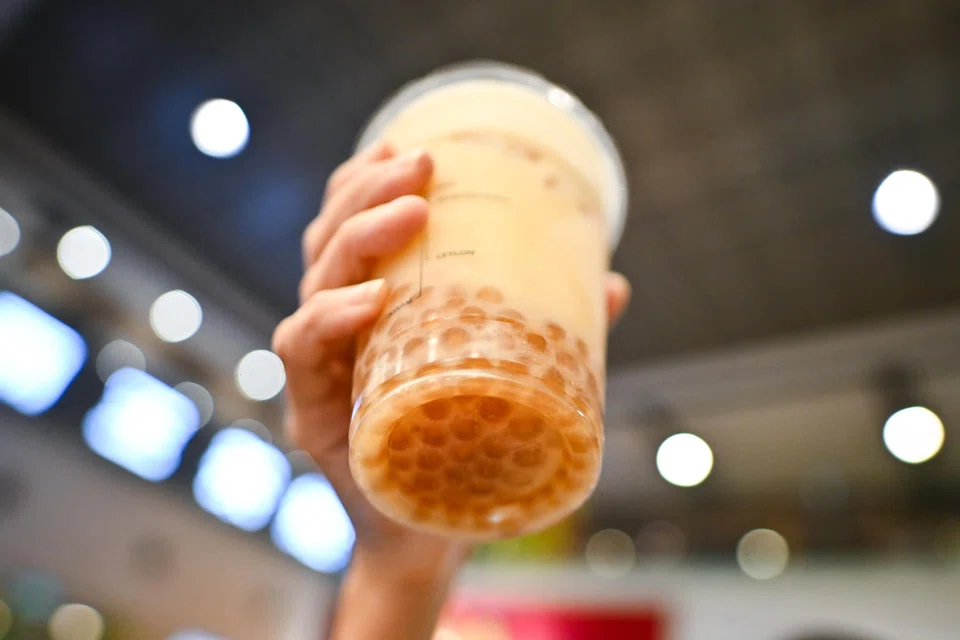
CHINA’S Mixue has dominated South-east Asia’s ice-cream and tea businesses for five years, since opening its first outlet in Vietnam in 2018. It has 22,500 stores in China and about 1,000 in several South-east Asian countries including the Philippines, Thailand and Indonesia. In comparison, despite having been around much longer, Starbucks has 10,000 outlets and McDonalds has around 9,100 restaurants throughout the South-east Asian region.
In Indonesia, Mixue has become a trend on social media platforms. People are posting about their daily cravings for Mixue products and making jokes and memes – it is common to find the brand among Twitter’s trending topics.
The joke in the region goes that you have to keep an eye on any vacant space in your neighbourhood, because it will soon turn into a new Mixue outlet. There are three contributing factors behind Mixue’s success story in Indonesia: supply chain efficiency, affordable product prices and the ease with which a franchise can be started.
As researchers focusing on China-Indonesia relations, we argue that Mixue – along with other China-based international retail operations such as Miniso – is more than just a business success story. It has the potential to help China promote a positive national image in Indonesia.
Food as an ambassador
In international relations, food can act as a national ambassador and even influence diplomacy. A country can use food as a source of soft power to display cultural characteristics and symbols.
A 2012 study shows that public knowledge about a brand’s country of origin can improve a nation’s image. Surveying nearly 500 respondents in the US, the study supports a claim made by Olle Wastberg, former director of the Swedish Institute, that furniture brand Ikea does more for the image of Sweden than the government does. The study also found the popular energy drink Red Bull improved the image of Austria.
Mixue may carry similar potential for China in Indonesia. The first Indonesian Mixue outlet opened in Bandung in 2020. Its rapid growth prompted many major news platforms to write about the origin of Mixue, its owner and even the meaning of its name – “snow that’s sweet like honey” – as people grew more curious about it. Many people expressed their joy when the Indonesian Ulema Council issued a halal certificate for Mixue.
Mixue’s presence has also helped the country to tackle unemployment by recruiting local workers. With the popularity of the brand in Indonesia, the growing presence of Mixue may already be helping China’s efforts to boost its positive image in the country.
Negative perceptions
Negative sentiment towards China, however, is still relatively high among Indonesians. A 2022 survey by the Iseas-Yusof Ishak Institute revealed that 65.9 per cent of Indonesian respondents expressed concern over China’s growing economic influence on Indonesia. Meanwhile, as many as 25.4 per cent of Indonesian respondents saw China’s rise as negatively influencing Indonesia.
But the Chinese government continues to encourage its companies to develop overseas not only for economic gains, but also to promote a positive image.
This is especially true in the technology sector. Thanks to the government’s support, China’s technological progress has been rapid. The country produces smartphone products, such as Xiaomi and Oppo, which have a fairly large market share in Indonesia.
In addition, there are also growing retail businesses with strong China links such as Miniso and Usupso, which were recently accompanied by the expansion of KKV. Chinese products are competitive in the global market due to the low production costs.
Melting hearts in Indonesia and beyond
Mixue sells its ice-cream and drinks at around US$0.40 to US$1.50. In comparison, popular Taiwanese-based tea franchise Chatime markets its products between US$1.34 and US$2.67. Mixue, therefore, attracts a larger segment of society.
Mixue also seemed to be immune to declining profits due to the Covid-19 pandemic. By the beginning of 2022, there were 1,000 Mixue outlets in the country, offering job opportunities for Indonesians while other businesses collapsed.
Negative perceptions of China may not be entirely eliminated by popular cheap food. But the more Mixue spreads in Indonesia, the more people may realise that there are aspects of China’s presence in the country that they actually like.
The writers are researchers at the Center of Economic and Law Studies

