
Modi’s popularity key to selling food aid cutbacks before Indian elections
 Add BT as a preferred source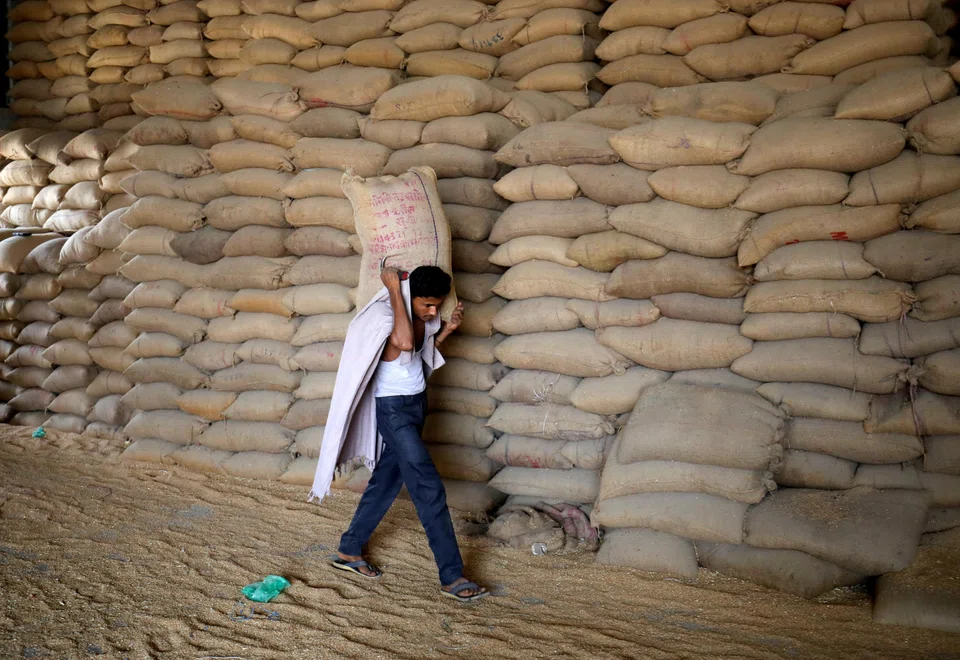
INDIAN Prime Minister Narendra Modi’s move to effectively halve food rations to the poor is fiscally sound. But politically, much depends on whether the charismatic leader can sell it to voters.
Subsidised food and other items are key to winning elections in India. The country’s poor are guaranteed food under a decade-old law that enshrines it as a right.
More than 800 million people received an extra 5 kg of free rice or wheat every month in the last 28 months, for a total of 10 kg in food aid, as Covid-19 ravaged their finances. However, the free food programme cost the government around US$47 billion, worsened the fiscal deficit, and reduced wheat stocks in government warehouses to multi-year lows.
The government said last week that the Covid-era programme will end in December and be replaced by subsidised food under a pre-pandemic law. From January, the additional food aid that was implemented earlier in the pandemic will end, and for one year, the government will issue 10 kg of free food each month.
But reducing populist measures ahead of elections is risky.
Modi’s Bharatiya Janata Party (BJP) won a record-breaking victory in his home state Gujarat this month, and is widely expected to win the next general election. Analysts believe that reality gives him a freer hand to impose fiscal discipline.
Navigate Asia in
a new global order
Get the insights delivered to your inbox.
Yamini Aiyar, head of New Delhi think tank Centre for Policy Research, said: “It’s actually, to my mind, quite clever politics, under the circumstances of fiscal constraints.”
Finance Minister Nirmala Sitharaman will present the budget for the next fiscal year on Feb 1, 2023.
The Indian government said it expects to save nearly US$20 billion a year by ending the Covid-era free food programme. One government source said the move to end the scheme would reduce its subsidy burden by about 30 per cent next fiscal year, and help it rein in the fiscal deficit faster than anticipated.
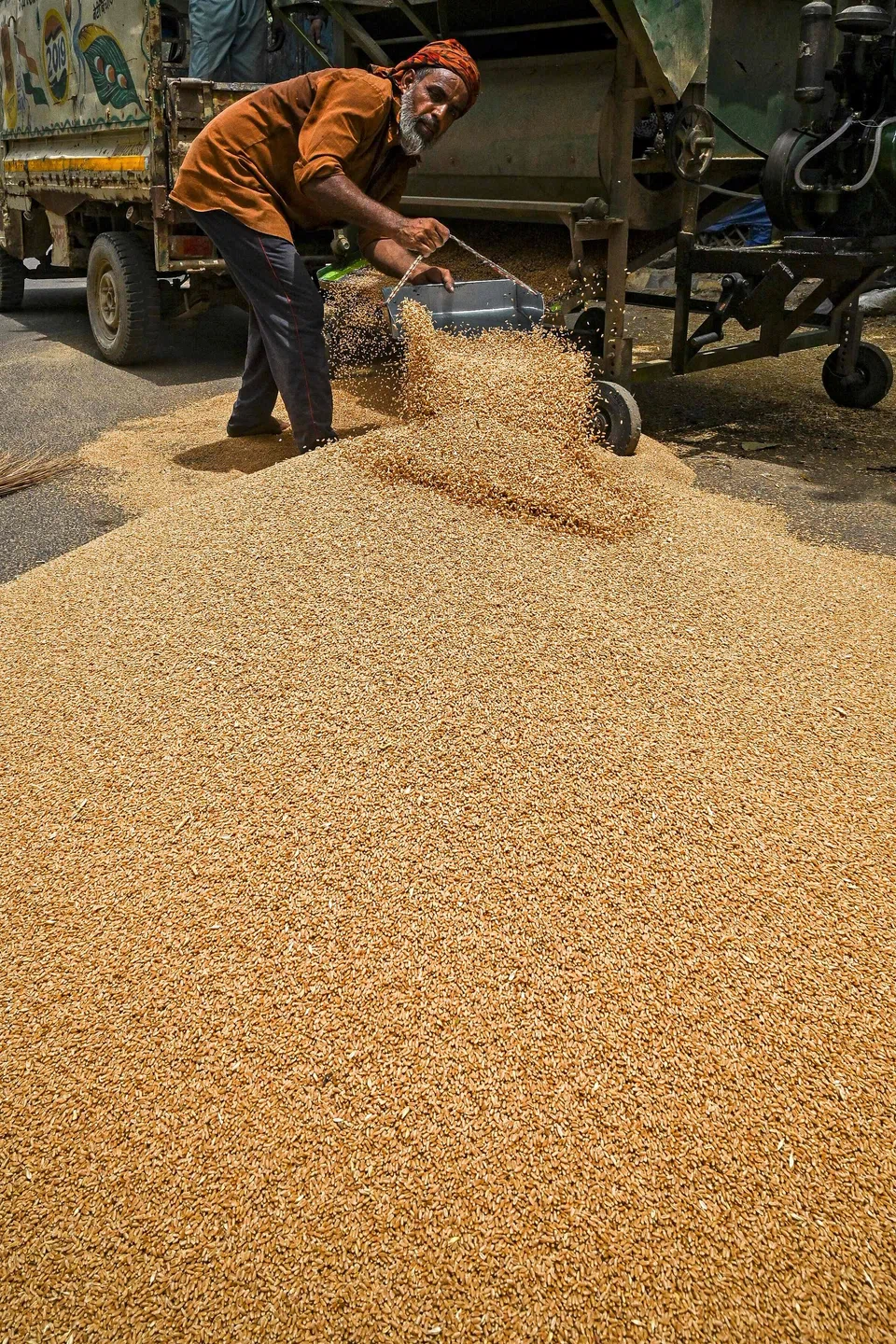
Changes to the food handout will mean the government’s total subsidies on food, fertiliser and fuel will come down by 30 per cent, to under four trillion rupees (S$64.9 billion) in the next fiscal year, two other government sources said. This would be down from nearly 5.5 trillion rupees in the current fiscal year ending Mar 31, 2023.
One of the sources expected the government to reduce the fiscal deficit by at least 50 basis points, to 5.9 per cent of gross domestic product, in the new fiscal year. The other said the food subsidy could fall to around two trillion rupees in the next fiscal year, from nearly 3.2 trillion rupees in the current year.
Some economists wanted the food programme gone months ago, as Covid curbs eased.
Former finance secretary Subhash Chandra Garg, who retired three years ago, said: “Reduction of effective food allocation per person from 10 kg to 5 kg is clearly non-populist.”
“But, this additional food allowance was clearly not required for meeting the calorific requirement. Therefore, if you can sell the idea that poor people will be getting what is required for meeting their true food needs, that is, 5 kg per person free of cost, possibly the negative effect can be neutralised.”
Modi is known to be a master of communicating the message he wants to send voters. He is helped by the fact that there is no obvious challenger to him in the country, said Yashwant Deshmukh, founder of polling agency CVoter Foundation.
CVoter data showed Modi’s approval rating at about 60 per cent. His closest competitor, Rahul Gandhi of the main opposition Indian National Congress party, had an approval rating of about 20 per cent.
“I think Modi has been carrying out the majority of his decisions thanks to his trustworthiness and popularity,” CVoter founder Yashwant Deshmukh said. He was referring to moves like banning high-value currencies in 2016, which caused widespread distress. Modi still won elections easily after that.
“It’s because people do not doubt his intention. Had the trust not been there, and for any other leader, it would have been difficult to end such a food programme ahead of elections.”
But senior BJP leader and former minister Ravi Shankar Prasad said that the decision to reduce food aid should not be linked to elections or politics.
“This started when Covid was there. In Narendra Modi’s government, inclusion and empowerment of the poor are important elements,” he said.
Elections are due in nine states in 2023, before the national poll a year later. In the last general election, a free housing and cooking gas programme for the poor helped the BJP trounce Congress.
Pronab Sen, formerly India’s chief statistician, said that had the Covid free food programme been extended, government warehouses would have run out of grain closer to the general election.
“It would have been much more damaging to have to stop it in 2024,” he added. REUTERS
Decoding Asia newsletter: your guide to navigating Asia in a new global order. Sign up here to get Decoding Asia newsletter. Delivered to your inbox. Free.
Share with us your feedback on BT's products and services

