

Money has too big a voice in politics of advance economies: OECD report
As a result, people increasingly feel that democracy is not working in their favour
Tokyo
MONEY is having too much influence on politics in many of the world's economically-advanced nations, the Organisation for Economic Cooperation and Development (OECD) has charged in a report which comes at a time when certain Asian countries are faced with similar issues.
Countries need effective "sanctions against breaches of political finance regulations" if faith in democratic government is to maintained, says the hard-hitting report by the Paris-based OECD.
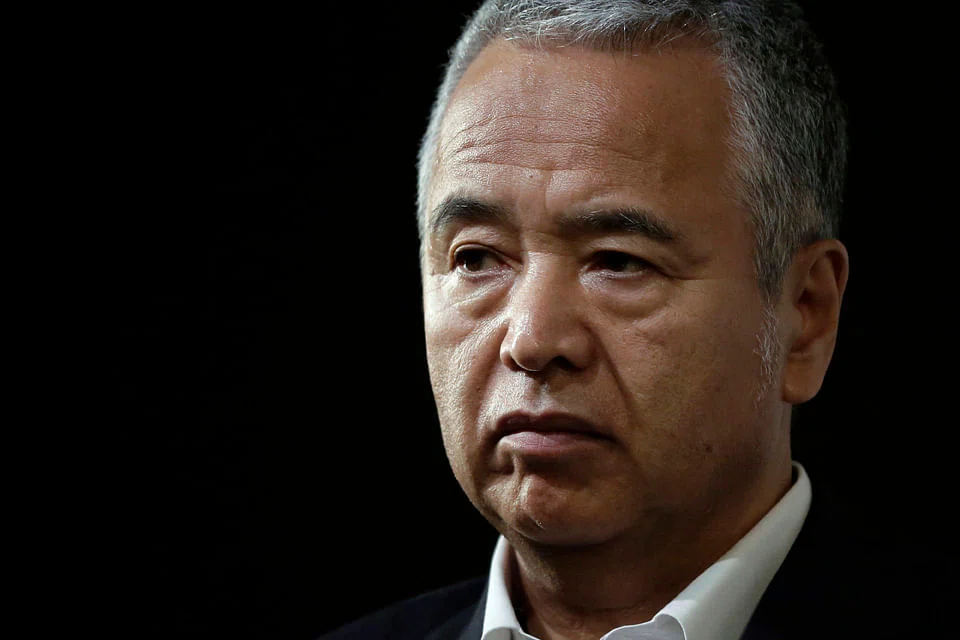
It comes as Malaysia's attorney-general has just cleared Prime Minister Najib Razak of corruption charges involving funds that passed through his bank account, and when key former Japanese government minister Akira Amari has resigned over claims that he and his aides accepted financial favours.
The OECD membership is made up of 34 economically advanced nations which do not include most Asian nations, although India and South Korea were among those that "volunteered" to have special case studies done on them in the interests of transparency.
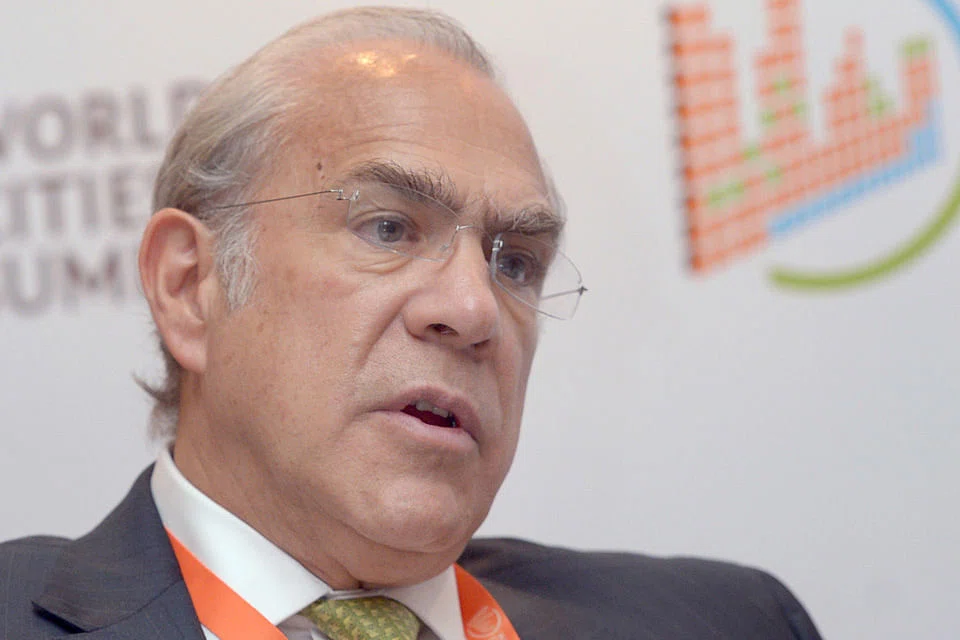
"Policymaking should not be for sale to the highest bidder," charged secretary-general Angel Gurria at the launch of the organisation's first report on political financing during a recent meeting of the OECD Global Parliamentary Network forum.
"When policy is influenced by wealthy donors, the rules get bent in favour of the few and against the interests of the many," said Mr Gurria. "Upholding rigorous standards in political finance is a key part of our battle to reduce inequality and restore trust in democracy."
Among the OECD nations, trust in politics and politicians is highest in Sweden, the Netherlands and Estonia while Spain, Greece and Slovenia are at the bottom, the report notes.
"People's faith in government is stagnating at record lows, with citizens questioning their trust in government leaders to make ethical and moral decisions," the OECD claimed in the report attacking problems of political corruption.
"People increasingly feel that democracy is not working in their favour. A key reason for this is the perception that when it comes to politics, money talks," said this report by the OECD, which focuses heavily on governance issues.
Meanwhile, "globalisation is complicating the regulation of political party funding as multinational companies and wealthy foreign individuals are increasingly integrated with domestic business interests", according to the latest report on the "Financing of Democracy".
Where limits on foreign and corporate funding exist, "disclosure of donor identity is a vital deterrent to misuse of influence", says the report. "While 17 of 34 OECD countries ban anonymous donations to political parties, 13 ban them only above certain thresholds and four allow them.
"Even when donations are not anonymous, countries have differing rules about disclosing donor identity," the report said. "In nine countries political parties are obliged to publicly disclose the identity of donors, while in 25 OECD countries parties do so on an ad hoc basis."
"Countries are failing to fully enforce regulations on political party funding and campaign donations or are leaving loopholes that can be exploited by powerful private interest groups," the OECD says.
The report notes that "private donors frequently use loans, membership fees and third-party funding to circumvent spending limits or to conceal donations."
Many countries, it says, "struggle to define and regulate 'third-party' campaigning by organisations or individuals who are not political parties or candidates, enabling election spending to be channelled through supposedly independent committees and interest groups".
Tightening regulations and "applying sanctions more rigorously would help to restore public trust at a time when voters in advanced economies are showing disillusionment with political parties and fear that democratic processes can be captured by private interest groups", it suggests.
Countries should "strike a balance between public and private political finance, bearing in mind that neither 100 per cent private nor 100 per cent public funding is desirable".
They should "aim for fuller disclosure with low thresholds", while focusing on enforcing existing regulations. Institutions responsible for enforcing political finance regulations should have a clear mandate, adequate legal power and the capacity to impose sanctions.
TRENDING NOW

Temasek’s Wan Chee Foong to helm PIL, Lars Kastrup to be board adviser

Chagee, Mixue and Luckin won the market. Sustaining their edge is the harder part

He built the Vingroup empire. Now South-east Asia’s richest man is handing some key roles to his sons
One-third of Singapore-listed firms at risk in severe AI downturn: MAS

