

More join methane pact as focus turns to farms
 Add BT as a preferred source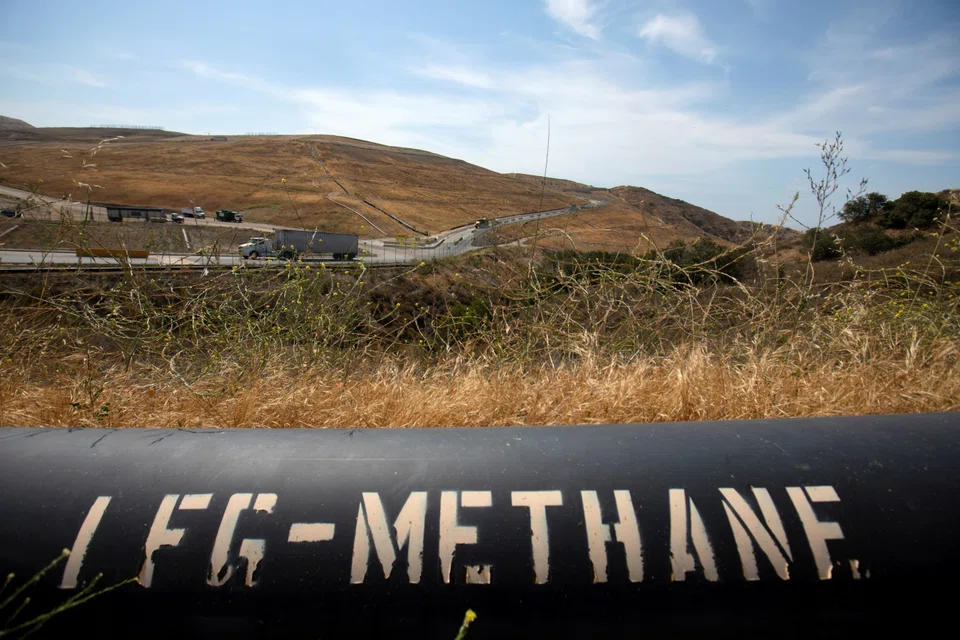
MORE than 150 countries have signed up to a global pact to reduce methane emissions, around 50 more than when the initiative launched last year, the United States and European Union (EU) said on Thursday (Nov 17).
The pledge to cut emissions of the powerful greenhouse gas by 30 per cent this decade is central to global efforts to limit planetary warming to 1.5 deg C, a threshold scientists say must be maintained to avoid the worst of climate change.
The United States and the EU launched the Global Methane Pledge during the Glasgow climate talks last year.
“This is absolutely critical to our ability to keep 1.5 deg in reach,” said John Kerry, US special presidential climate-change envoy, told a meeting of ministers announcing the progress.
Now 95 per cent of countries have included methane in their nationally determined contributions, or promises countries make to reduced emissions.
China and India, the top two methane emitters, as well as Russia have not signed up for the pact, he said. But in a surprise moment, China’s top climate negotiator Xie Zhenhua attended the ministerial meeting. He said he had been invited by his “good friend” Kerry.
He then talked about China’s methane strategy, but stopped short of joining the global effort.
“I hope by sharing this with you that we’ll be able to seek cooperation with all of you in different ways,” Xie said through a translator.
Earlier on Thursday, Kerry and Xie held a 30-minute meeting in China’s delegation office.
Fifty of the signatories to the Global Methane Pledge have unveiled detailed strategies to cut emissions.
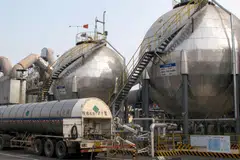
The United States and the EU will launch other initiatives on Thursday under the Global Methane Pledge, which tackles oil and gas, agriculture and waste sectors.
Among them is an effort with the UN’s International Fund for Agricultural Development to help small-hold farmers in Colombia, Costa Rica, Kenya, Pakistan, Rwanda, Tanzania, Uganda, Uruguay and Vietnam to reduce methane in their dairy systems.
Another is a programme providing US$70 million for research on enteric fermentation – the digestive process in which some animals produce gas and the largest single source of methane emissions from agriculture.
The United States and the EU also announced that Carbon Mapper, which tracks methane by satellite, will develop a global waste sector methane baseline assessment on landfills and dumpsites. The waste sector accounts for 20 per cent of methane emissions. REUTERS
Decoding Asia newsletter: your guide to navigating Asia in a new global order. Sign up here to get Decoding Asia newsletter. Delivered to your inbox. Free.
Share with us your feedback on BT's products and services
TRENDING NOW

Jumbo Seafood to close flagship East Coast Seafood Centre outlet on Sep 30

Shanda co-founder sells Tanglin Hill bungalow for S$76 million

Singapore developer in limbo after Timor-Leste scraps major township project

Trek 2000 shares jump 41.5% after Osim founder Ron Sim drops claims, sells 7.3% stake to Azure Capital

