

‘Mutual gain’: Trump-Xi talks could mean US$6 billion of US natural gas for China
Restored LNG ties could be a win for both sides, driving sustained growth of the industry in the US
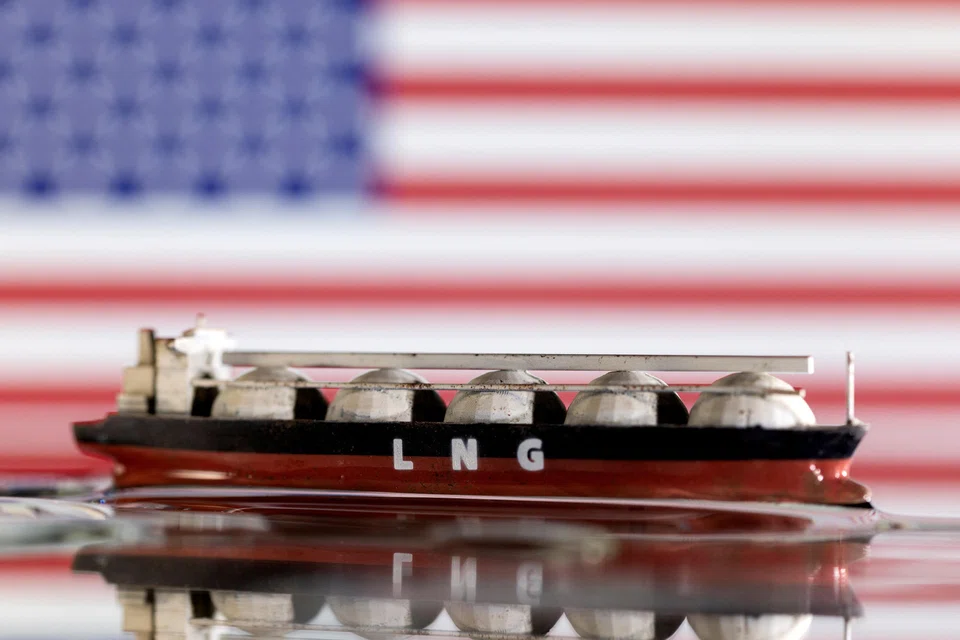
[SINGAPORE] China’s leader Xi Jinping will arrive in Washington this week with at least one easy option to score points with the Trump administration – a commitment to revive a US$6 billion-a-year trade in US liquefied natural gas (LNG).
The US is the world’s largest exporter of LNG and China is the top buyer, but that relationship frayed after February 2025, when US President Donald Trump began an aggressive tariff campaign just days into his second term. Beijing retaliated with punitive levies on US energy, including LNG.
From that date, China effectively stopped importing US gas. Chinese companies have continued to meet their contractual obligations, but they have been reselling LNG shipments to buyers in Europe and Asia rather than paying the 15 per cent levy to bring the cargoes home.
“LNG is an apparent area of mutual gain,” said Jane Nakano, a senior fellow at Center for Strategic and International Studies.
“The value of restored LNG ties with China would go beyond addressing the trade imbalance. Resumed LNG trade would likely underpin the sustained growth of US LNG industry.”
The prospect of a deal to scrap that tariff and revive trade in the super-cooled fuel – likely part of a wider effort to lower duties – could indeed be a win for both sides.
For Beijing, LNG is a relatively minor concession and a useful one, with traffic still constrained around the Persian Gulf and one of China’s largest suppliers, Qatar, all but cut off.
For the Trump administration, it would mean an eye-catching number – LNG contracts typically span decades – at a time when US producers are expanding and in need of fresh commitments.
Beijing’s existing contracts for US gas add up to roughly 14 million tonnes a year of LNG, according to Bloomberg calculations, or about US$6 billion at long-term prices. Spot purchases would push the value up even further.


LNG has been at the heart of every Trump trade deal with China. When he visited Beijing in 2017, natural gas projects accounted for more than half of the US$250 billion in announced agreements, although many of them were non-binding and ended up being abandoned.
LNG was also expected to play a major role in the so-called Phase One US-China trade agreement from 2020, in which China was to increase energy purchases as part of a plan to boost imports by US$200 billion.
There are already signs some Chinese companies are positioning themselves for a change in September.
China Gas last week agreed to buy US LNG for 20 years starting in 2030 – a rare long-term supply agreement after months of trade tensions.
Other Chinese LNG buyers also held discussions with US exporters at a gas conference in Bangkok last week, according to traders familiar with the discussions. They asked not to be named as the conversations are not public.
Continued fighting in the Persian Gulf provides an extra incentive to revive dealmaking – buyers with long-term commitments to US projects have found themselves better insulated from the current gas supply crunch.
Those contracts can deliver LNG to Northeast Asia for about US$8 per million British thermal units, compared with spot prices that are roughly three times higher.
One potential complication is Trump’s move to sign into law a sweeping sanctions bill empowering him to impose crippling tariffs on countries that purchase Russian oil and gas.
Russia is currently China’s second-largest LNG supplier, with shipments arriving even from US-sanctioned facilities. It is not yet clear when and whether the White House will act on the law.
At its peak in 2021, US LNG made up about 12 per cent of China’s total LNG imports, according to ship-tracking data compiled by Bloomberg.
Since then, US exports have ballooned by nearly 60 per cent – and annual exports are slated to double by the end of the decade as new projects come online.
Chinese buyers would be a boon for American LNG developers and their projects, including a Trump-backed Alaska LNG project and a slate of proposed export facilities along the Gulf Coast.
Many need long-term purchase agreements before billions of dollars can be committed to construction.
Most new US supply being marketed today will not start until around the end of this decade or the early 2030s.
That could allow importers to sign on the dotted line without necessarily taking delivery while Trump remains in office – reducing their exposure to another escalation in trade tensions.
“China’s energy mix will continue to be incrementally dominated by renewables,” Anatol Feygin, executive vice-president at Cheniere Energy, said at the Gastech conference in Bangkok last week.
“We also have a view that China’s LNG market will double, and will be the world’s largest.” BLOOMBERG
Decoding Asia newsletter: your guide to navigating Asia in a new global order. Sign up here to get Decoding Asia newsletter. Delivered to your inbox. Free.
Share with us your feedback on BT's products and services
TRENDING NOW
Prima to move out of historic Keppel Road flour mill building in 2028

Temasek-related Azalea, SeaTown, Seviora Capital to merge in 2027

Family offices see more tailored products, leverage ‘collective firepower’ for direct deal access

Singapore room rates soar, but hotels seeing mixed demand from F1 race and events

