
Myanmar junta declares shadow government a 'terrorist' organisation
 Add BT as a preferred source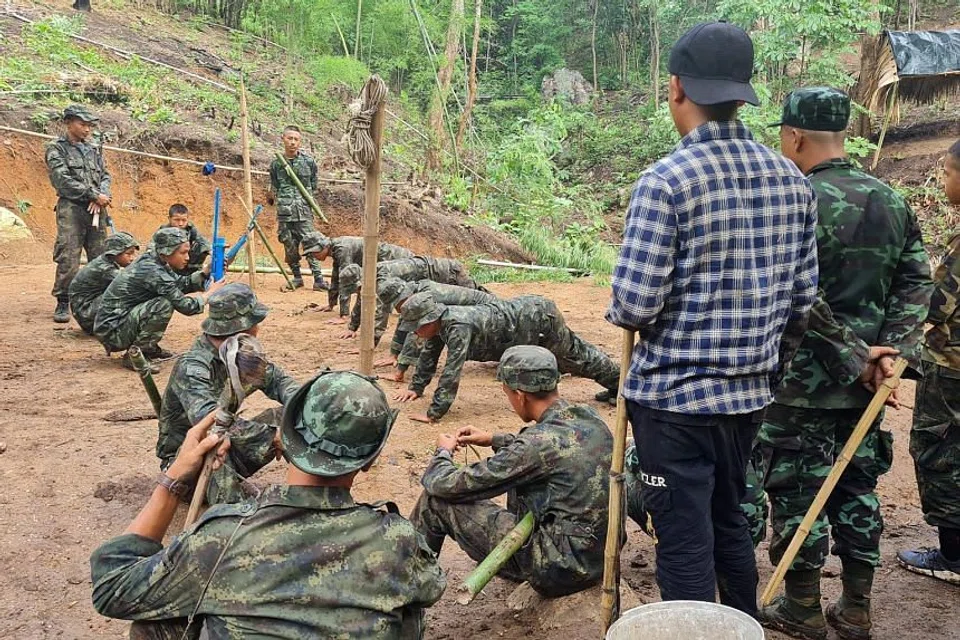
Yangon
MYANMAR'S junta declared on Saturday night that a group of ousted lawmakers running a shadow government would now be classified as "terrorists", as the military moves to tighten its grip over a country in turmoil.
Since the military seized power in a Feb 1 coup, detaining and ousting civilian leader Aung San Suu Kyi, a nationwide uprising has refused to back down in its demands for a return to democracy.
Protesters continue to take to the streets daily, while a nationwide boycott by students and faculty as well as civil servants across various sectors has brought the country to a shuddering halt.
Meanwhile, a group of ousted lawmakers - many of them previously part of Ms Suu Kyi's National League for Democracy (NLD) party - have formed a shadow "National Unity Government" (NUG) to undermine the junta.
Last Wednesday, the NUG announced the formation of a so-called "people's defence force" to protect civilians facing violence from the military.
Navigate Asia in
a new global order
Get the insights delivered to your inbox.
By Saturday night, state-run television announced that the NUG, its people's defence force, and an affiliated group known as the Committee Representing Pyidaungsu Hluttaw (CRPH) - the Burmese word for parliament - were now classified as "terrorist organisations".
"We ask the people not to... support terrorist actions, give aid to terrorist actions that threaten the people's security from the CRPH (and) NUG," said the evening news broadcast.
The announcement comes as sporadic bomb blasts go off more frequently across Myanmar, especially in the commercial hub of Yangon - which authorities have blamed on "instigators".
Previously, the junta had declared the CRPH and NUG as "unlawful associations", and said interacting with them would be akin to high treason.
But their new designation as a "terrorist organisation" means anyone speaking to them - including journalists - can be subjected to charges under counter-terrorism laws.
The Arakan Army - an insurgent group that had clashed with the military in conflict-wracked Rakhine state - held the designation last year, and a journalist who had interviewed a high-ranking representative was detained. He faced terrorism charges, carrying penalties ranging from three years to life in prison.
Junta leader Min Aung Hlaing has justified his Feb 1 power grab by citing electoral fraud in the November elections won by Ms Suu Kyi's NLD party. AFP
Decoding Asia newsletter: your guide to navigating Asia in a new global order. Sign up here to get Decoding Asia newsletter. Delivered to your inbox. Free.
Share with us your feedback on BT's products and services

