

Nephew of Indonesia's president gets nod to become central bank board member
His nomination has raised concerns about Bank Indonesia’s independence
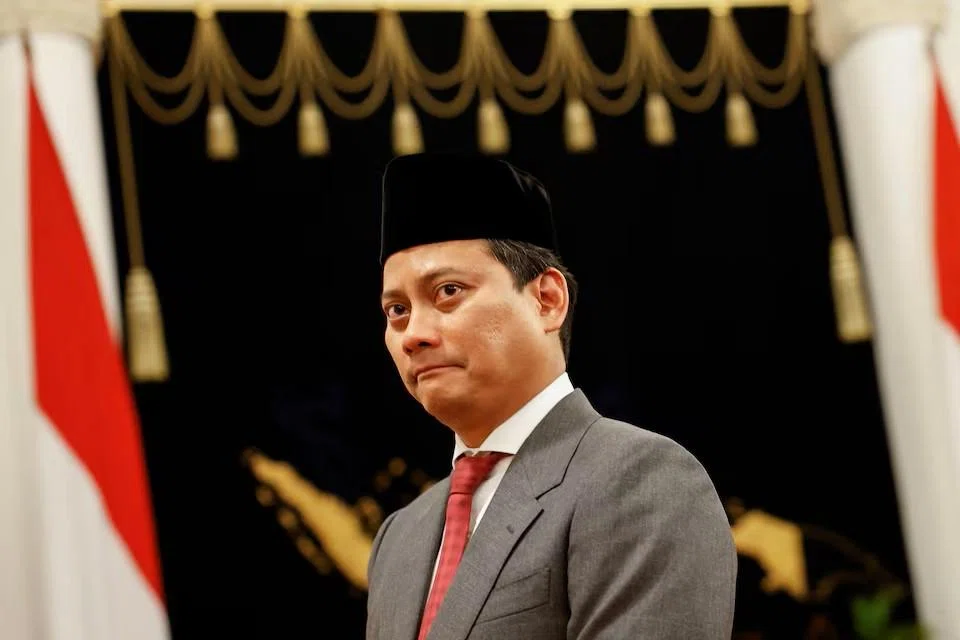
[JAKARTA] The nephew of Indonesia’s president got the go-ahead from a key parliamentary body on Monday (Jan 26) to become a central bank deputy governor – a nomination that has raised concerns about Bank Indonesia’s independence.
The nod to Thomas Djiwandono from the commission overseeing finance still needs to be confirmed by a broader parliamentary vote on Tuesday, though lawmakers rarely go against the commission’s decisions.
The rupiah sank to a record low of 16,985 per dollar last week after President Prabowo Subianto picked his nephew as one of three candidates for the job. It later recovered after BI kept rates unchanged in a bid to shore up the currency.
The commission’s backing of Thomas, a deputy finance minister, put him ahead of the two other candidates who are career central bankers.
During his interview with lawmakers earlier on Monday, Thomas said “synergy” between the central bank, fiscal policy-makers and other authorities “can be accelerated, can be strengthened”.
But he said that such efforts would not erode the central bank’s autonomy, which he said was strongly protected by the law.
When asked about the market concerns following news of his nomination, Thomas said he has no other way to prove himself than through his work.
He said coordination between monetary and fiscal policy makers can help accelerate BI’s monetary policy transmission, but did not give details on how it would be done.
“We are currently heading towards higher growth, and that is where the importance of fiscal and monetary synergy lies,” he said.
Mukhamad Misbakhun, chair of the parliamentary commission, said Thomas was picked for his ability to build coordination between the central bank and the government and to develop more agile decision making to support economic growth.
President Prabowo aims to lift economic growth to 8 per cent by 2029, from its current rate of around 5 per cent. REUTERS
Decoding Asia newsletter: your guide to navigating Asia in a new global order. Sign up here to get Decoding Asia newsletter. Delivered to your inbox. Free.
Share with us your feedback on BT's products and services

