New bill gives Najib extensive powers
Malaysia heading towards an authoritarian regime, warn lawyers and NGOs
Kuala Lumpur
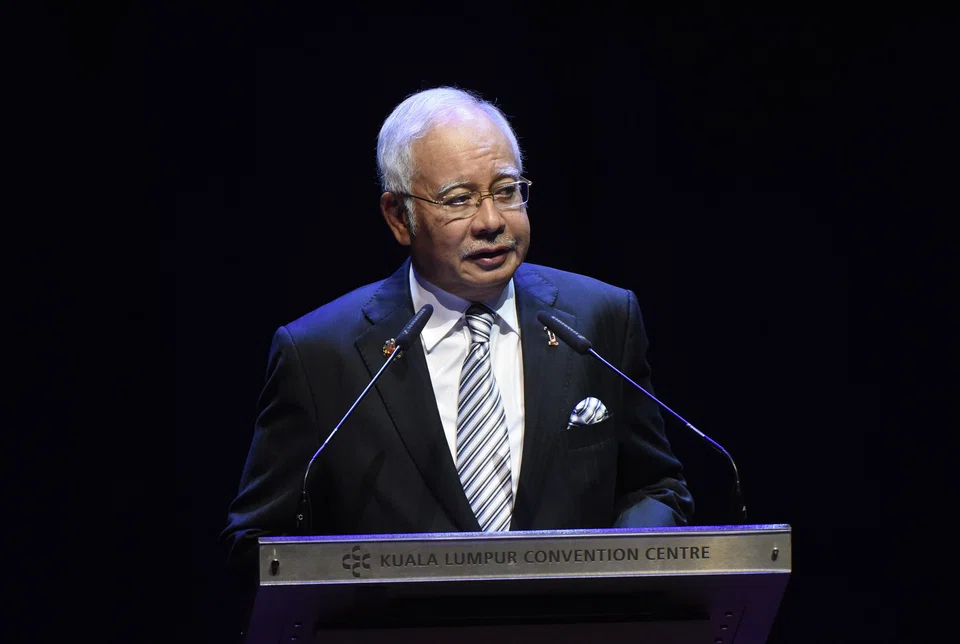
MALAYSIAN Prime Minister Najib Razak is set to extend his considerable grip on power after the National Security Council (NSC) Bill, which gives vast executive powers to a newly created statutory body that he will head as chairman, was rushed through the House of Representatives late Thursday.
Local and international civil society groups are appealing to the Senate to stay its approval and requesting the Malaysian monarch not to give his assent to the bill on the grounds that it gives the council considerable discretionary powers and is open to abuse.
The chances of success are slim, however, given that the Senate has mainly functioned as a rubber stamp institution while the king's assent is perfunctory since the proposed bill automatically becomes law 30 days after it has been submitted to him.
Under the guise of "national security", Malaysia is heading towards an authoritarian regime as Mr Najib and his party, Umno, consolidate their hold on the levers of government, lawyers and non-governmental organisations warned after the bill was bulldozed through the Lower House only two days after it was tabled.
It was passed by a voice vote despite opposition lawmakers requesting more time for a proper debate. (Spearheaded by Umno, the ruling Barisan Nasional, or BN, coalition has a comfortable 133 majority in the 222-seat chamber.)
Bar Council president Steven Thiru said the NSC would not be an independent body since its members are appointed by the prime minister and report directly to him. Other council members besides the prime minister are the deputy prime minister, the defence, home, and communications ministers, the chief secretary to the government, the defence forces chief and the inspector general of police.
Moreover, as national security is not defined in the bill, he said the NSC's powers appear to be broad and unchecked, including the power to arrest without a warrant or to declare any area a "security area".
The council would also have the power to control and issue directives to any ministry, department, agency, authority, commission or council of the federal government, or any state government. Bodies such as Bank Negara, the Securities Commission and the Malaysian Anti-Corruption Commission would be made subservient to the NSC.
"It would appear, therefore, that the bill enables the prime minister either unilaterally or through the NSC to exercise authoritarian executive powers which are in effect emergency powers, but without the need for a proclamation of emergency under Article 150 of the Federal Constitution," Mr Thiru observed in a statement.
Selangor chief minister and opposition lawmaker Azmin Ali was more forthright, describing the bill as "nothing but a brazen attempt at silencing all criticism of the Najib administration, particularly Najib himself".
"It is about protecting the political security of PM Najib who is drowning in a sea of scandals," he said in reference to the debacle at debt-laden, state-owned 1MDB and controversial deposits of US$700 million into Mr Najib's personal bank accounts by an unidentified Arab donor.
Also the finance minister, Mr Najib has refused to step down pending investigations by various agencies but the scandal has left him badly tarnished in the eyes of many and also hurt the ringgit.
He was expected to shed more light on the scandal in Parliament on Thursday but left opposition lawmakers fuming as he did not show up but tasked his deputy Zahid Hamidi with replying. Mr Zahid offered little by way of explanation as he claimed the matter was "sub judice".
Independent pollster Merdeka Centre's executive director Ibrahim Suffian said the bill could be seen as a sign that the government is safeguarding the public space, coming after the Lahad Datu invasion by a Suluk group and the more recent ISIS threats. At the same time, the political situation has become more competitive for Mr Najib, coming not just from the opposition but also from within Umno.
"The concern is whether the government will have the discipline to ensure the bill is used to protect national security and not against challenges to political leadership," he observed.
Political analysts point to the arsenal of laws including the Prevention of Terrorism Act, Sedition Act and Communication and Multimedia Act which have been used to stifle criticism of the government.
By supporting the NSC Bill, BN lawmakers have failed the people, said Institute for Democracy and Economic Affairs chief executive Wan Saiful Wan Jan, adding that the rushed passage was "inexcusable and a dark day in Malaysia's history".
Mahathir Mohamad, the man many blame for weakening Malaysia's key institutions over two decades of leadership, said it was only a step away to dictatorship. Having mentored Mr Najib, the 89-year-old former premier is now his biggest critic as he believes the funds deposited into his protegee's bank accounts belonged to 1MDB or its units. But he also fears the public backlash will result in BN losing in the next general election, due in 2018, and the potential unmasking of his own misdeeds.