New voter ID requirement sparks concern ahead of English elections
 Add BT as a preferred source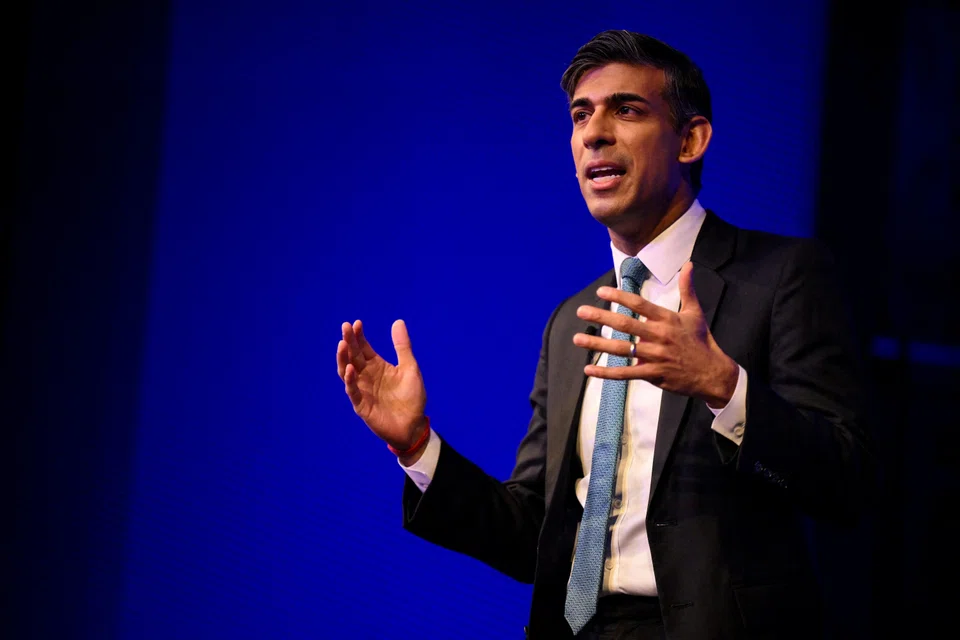
VOTERS in England will for the first time have to produce photo ID in order to cast their ballot when polling stations open in local elections next week, sparking concern that some parts of the electorate will in effect be disenfranchised by the change.
Large parts of England vote in local council elections on May 4, and a national election is expected next year.
In Northern Ireland and many countries in Europe, the need to produce photo ID is established and not unusual. But rapid adoption of this new system in England leaves campaigners fearing that voters will be caught out by the change.
Jess Garland, director of policy and research at the Electoral Reform Society (ERS), said the move could disenfranchise voters who do not have the right ID, adding that others may forget.
“There’s a lot of risk in doing what is essentially the biggest change to our elections for a generation,” she said.
The change is happening in Wales and Scotland as well, although they do not hold local polls next week. Previously, people needed to register to vote, but only needed to give their name and address in order to cast their ballot.
The change applies to those hoping to vote in person rather than by post, and the deadline for members of the public to apply for a free Voter Authority Certificate if they do not have another accepted form of photo ID is Tuesday (Apr 25).
But, with up to a quarter of people still unaware of the change, critics say the risks of the move outweigh the benefits given a low incidence of voter personation fraud.
The Electoral Commission, which regulates voting in Britain, said that there were just seven cases of alleged personation fraud at a polling stations in 2022, all of which saw no further action taken by police due to insufficient evidence.

Prime Minister Rishi Sunak has downplayed concerns and said the change would ensure a “high integrity” voting process. His office says 98 per cent of people already have an accepted form of ID.
The Electoral Commission said awareness of the change had risen from 22 per cent in December to 76 per cent in March, and it was confident that for most people there would be no problem.
However, its director of communications Craig Westwood said groups such as trans people, travellers and those with learning disabilities were less likely to have the right ID.
Daisy Sands, head of campaigns at the Joseph Rowntree Foundation, said low income would-be voters were already less likely to vote. “We should be encouraging people to vote, not making it more difficult,” she said.
Though Garland from the ERS said voters across many different parties would be affected by this scheme, some opposition politicians fear the changes will stop voters who traditionally back them from taking part in the elections.
James Higginbottom, a councillor for the opposition Labour Party, said the government was copying tactics used by some in the US Republican Party where some states have tightened voter identification laws amid claims about the threat of voter fraud. REUTERS
Decoding Asia newsletter: your guide to navigating Asia in a new global order. Sign up here to get Decoding Asia newsletter. Delivered to your inbox. Free.
Share with us your feedback on BT's products and services