New Zealand consumer, business optimism to stoke economic growth
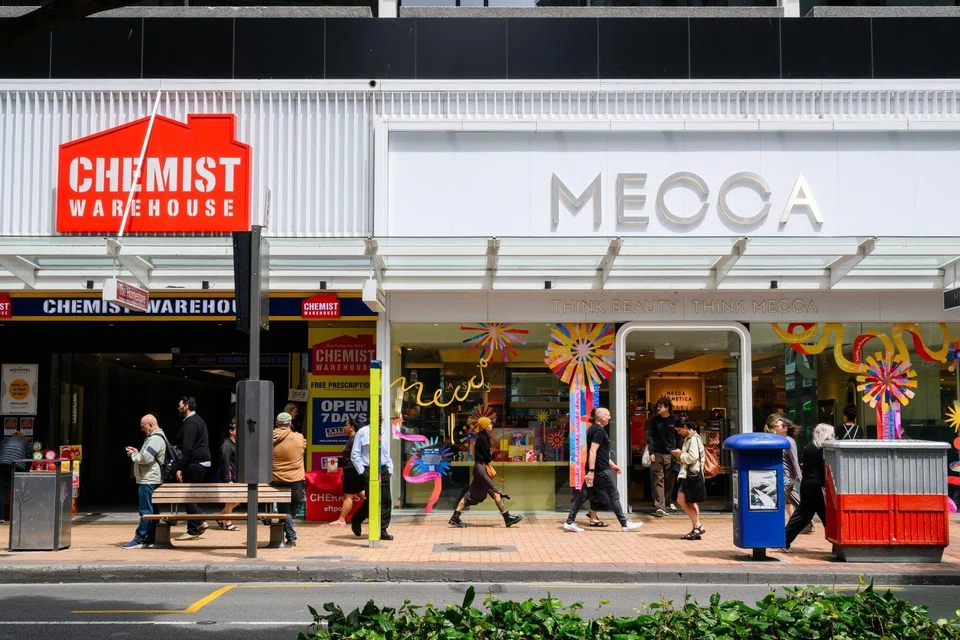
NEW Zealand business confidence soared to a three-decade high in December and the mood of consumers also surged, adding to signs of further economic expansion in the fourth quarter and into 2026.
A net 74 per cent of firms expect better business conditions - the most since March 1994, ANZ Bank said on Friday in Wellington.
Expectations of own-trading were also at a 31-year high, while a monthly gauge of consumer sentiment rose to 101.5 in December, the highest since September 2021, ANZ said in a second report.
Rising confidence is expected to encourage business investment and hiring, which will fuel household spending and underpin an economic recovery already under way.
A report yesterday showed gross domestic product grew a more-than-expected 1.1 per cent in the three months through September.
“Things are clearly looking up,” said Sharon Zollner, chief New Zealand economist at ANZ in Auckland. “The improvement in reported past activity, which is the best indicator of GDP in the survey, is strikingly broad-based and suggests annual GDP growth is going to head north rapidly.”
The catalyst for the upswing has been the Reserve Bank’s aggressive monetary policy easing which has seen policymakers cut the Official Cash Rate by 325 basis points since August last year to 2.25 per cent.
The RBNZ said in November that its central case was that the benchmark would be on hold through 2026, but investors are wagering on a rate hike before the end of the year. Governor Anna Breman this week pushed back against those bets, saying financial market conditions had tightened more than the bank’s projections had implied.
“Tighter financial conditions could take a little wind out of the recovery’s sails, but both interest rates and the exchange rate remain well off their peaks,” said Zollner.



Consumers expect to be better off in a year’s time and fewer say it is a bad time to buy a major household item, today’s report showed.
Households are responding to falling home-loan interest rates and positive indicators for the year ahead, ANZ said, noting that discretionary spending is picking up.
“That’s unsurprising - people with the luxury of choices are starting to make different ones now that borrowing is cheaper,” it said. “For others, it will take a change in the labour market to make a difference in their willingness to spend. That will come, but the labour market does typically lag the activity cycle by around six months.” BLOOMBERG
Decoding Asia newsletter: your guide to navigating Asia in a new global order. Sign up here to get Decoding Asia newsletter. Delivered to your inbox. Free.
Share with us your feedback on BT's products and services