

New Zealand dollar slides, yields retreat after RBNZ signals hikes are over
 Add BT as a preferred source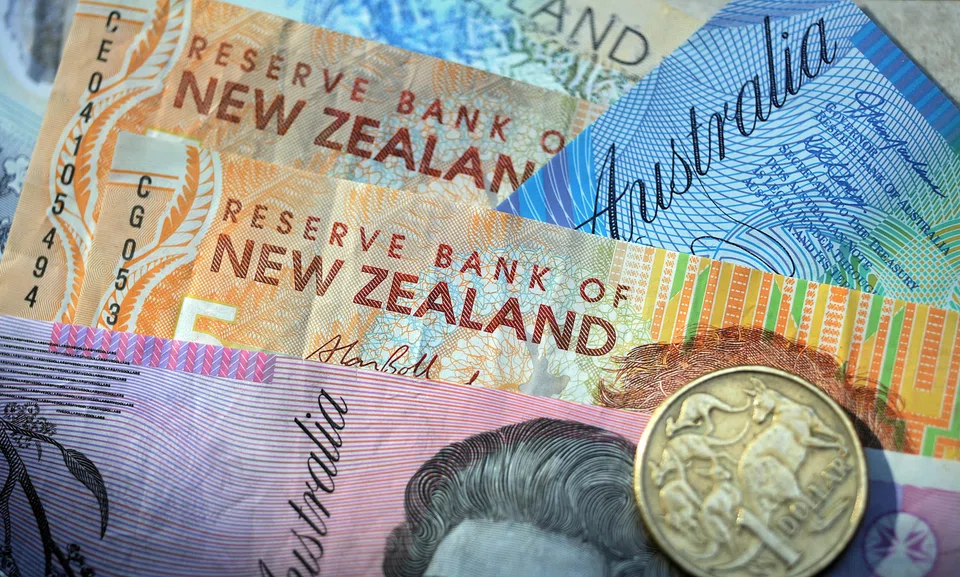
DeeperDive is a beta AI feature. Refer to full articles for the facts.
THE New Zealand dollar and local yields slumped on Wednesday after the Reserve Bank delivered a dovish rate hike and signalled that increases are essentially done, a shock result that sent the Aussie jumping against the kiwi.
The kiwi dollar fell 1 per cent to a three-week low of US$0.6180, nearing a major support level of the 200-day moving average at US$0.6155.
The Reserve Bank of New Zealand raised interest rates on Wednesday by 25 basis points to 5.5 per cent, after considering a pause.
The RBNZ also sees rates peaking at the current level of 5.5 per cent, before rate cuts commence from the third quarter of next year, according to the latest forecasts.
Market bets were split between hiking by 25 bps or 50 prior to the decision, with many wagering that rates can hit as high as 6 per cent given the government’s budget this month is set to add to inflationary pressures, and RBNZ’s record of surprising markets on the hawkish side.
Benchmark two-year interest rate swaps, which hit a 14-year high of 5.5750 per cent earlier in the day, fell 32 basis points on the day to 5.1750 per cent.
Navigate Asia in
a new global order
Get the insights delivered to your inbox.
That saw the Aussie gaining ground on the kiwi, up 0.9 per cent at NZ$1.0673, reversing a recent declining trend, which was driven by expectations of a dovish Reserve Bank of Australia and a hawkish RBNZ.
“It’s an indication that the tightening cycle is over. No-one was really expecting that,” said Jason Wong, a strategist at Bank of New Zealand in Wellington.
“There’s cuts priced in the second-half of next year ... but the market, in recession and with the tightening cycle over, will want to price an easing earlier than what the Reserve Bank’s indicated.”


That also brought the Aussie 0.2 per cent lower against the US dollar to US$0.6597, the lowest in a month and just a whisker away from its 2023 low of US$0.6565.
Carol Kong, a currency strategist at Commonwealth Bank of Australia, expects the Aussie to set a new year-to-date low.
“Our expectations for the Australia-US interest rate differentials to become more negative and China’s disappointing economic growth can further weigh on AUD/USD.” REUTERS
Decoding Asia newsletter: your guide to navigating Asia in a new global order. Sign up here to get Decoding Asia newsletter. Delivered to your inbox. Free.
Share with us your feedback on BT's products and services
TRENDING NOW

Autobahn Rent A Car directors declared bankrupt over S$50 million each owed to DBS

Higher costs, lower returns: Why are Singaporeans still betting on real estate?

Richard Eu on how core values, customers keep Singapore’s TCM chain Eu Yan Sang relevant

Loyang Valley sold for S$880 million to SingHaiyi-led consortium

